

What is a Feed Powder Conveying Line? And What Are Its Design Principles?
Feed powder conveying lines are essential systems in the animal feed industry, designed to transport bulk feed powders from storage silos to processing or packaging areas efficiently and reliably. These lines are critical for maintaining production continuity and ensuring consistent feed quality in feed mills. The design of such systems involves careful consideration of several key factors to optimize performance, minimize material loss, and comply with industry standards.
Understanding the Core Components of a Feed Powder Conveying Line
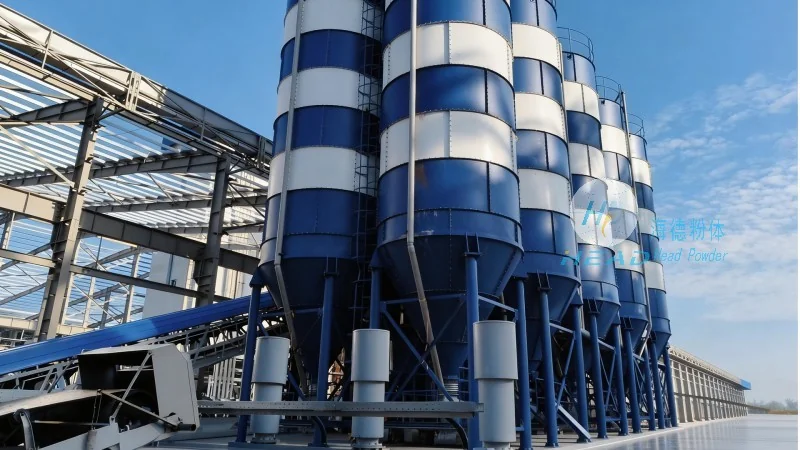
A typical feed powder conveying line consists of several interconnected components that work together to move feed powders. The primary components include storage silos, feeders, conveyors, and control systems. Storage silos are used to store large quantities of feed raw materials, such as corn, soybean meal, and other grains. These silos are often equipped with aeration systems to maintain the quality of the stored feed and prevent spoilage. Feeders are responsible for regulating the flow of feed from the silos to the conveyors. Common types of feeders include rotary valves, screw feeders, and belt feeders, each with its own advantages and applications depending on the feed characteristics and production requirements.
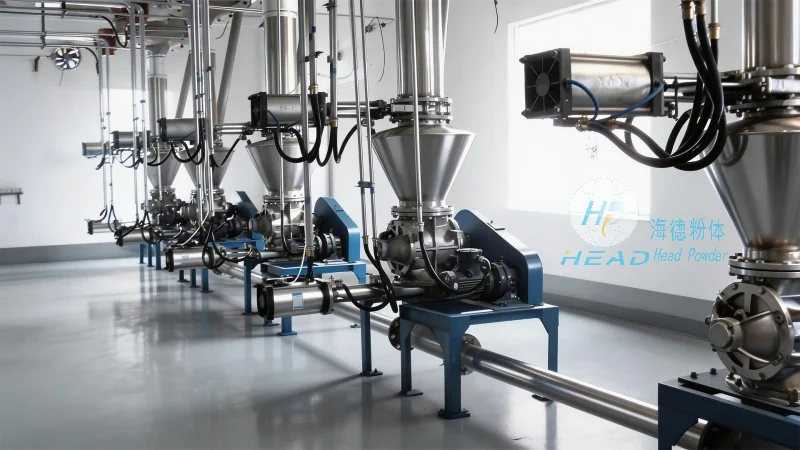
Conveyors are the heart of the conveying line, responsible for transporting the feed powder from the feeder to the processing or packaging area. There are several types of conveyors used in feed powder handling, including pneumatic conveyors, bucket elevators, and screw conveyors. Pneumatic conveyors use air pressure to move feed powders through a pipeline system, which is ideal for long-distance or high-volume transport. Bucket elevators use a series of buckets attached to a chain or belt to lift and transport feed powders vertically, making them suitable for vertical transport in feed mills. Screw conveyors use a rotating screw to move feed powders through a tube, which is effective for horizontal or slight incline transport.
The Design Principles Behind Feed Powder Conveying Lines
The design of a feed powder conveying line is guided by several fundamental principles to ensure optimal performance and reliability. One of the most important principles is the prevention of material segregation and degradation. Feed powders are often composed of different components with varying particle sizes and densities, and improper handling can lead to segregation, where larger or heavier particles separate from smaller or lighter ones. This can affect the uniformity of the final feed product and reduce its nutritional value. Therefore, conveying systems are designed to minimize agitation and maintain a consistent flow of feed, preventing segregation and ensuring that all components are mixed uniformly.
Another critical design principle is the prevention of material buildup and blockages. Feed powders can be sticky or clumpy, especially when they contain high moisture content or additives. If not properly designed, the conveying line can experience blockages, which can halt production and cause equipment damage. To address this, conveying systems incorporate features such as air knives, vibration devices, and cleaning mechanisms to prevent material buildup and ensure smooth operation. Additionally, the design considers the material's flow properties, including its angle of repose and bulk density, to select the appropriate conveyor type and dimensions that can handle the feed without causing excessive pressure or wear.
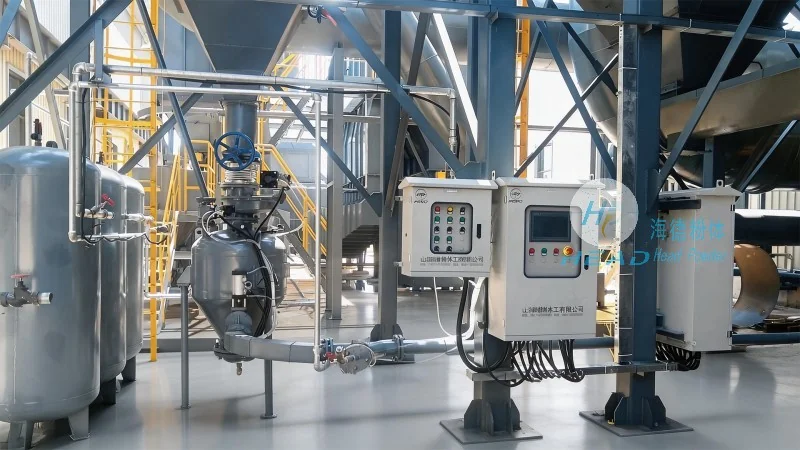
Energy efficiency is also a key design consideration for feed powder conveying lines. The operation of conveyors, especially pneumatic systems, consumes significant energy. Therefore, modern designs incorporate energy-saving features such as variable frequency drives (VFDs) to adjust the conveyor speed based on the actual feed demand, reducing energy consumption during low-load periods. Additionally, the use of efficient materials and optimized system layouts helps minimize energy usage while maintaining the required conveying capacity. This not only reduces operational costs but also aligns with sustainability goals in the feed industry.
Role of Shandong HeadPowder Engineering Co., Ltd. in Feed Powder Conveying Solutions
Shandong HeadPowder Engineering Co., Ltd., a leading manufacturer in the feed processing equipment industry, specializes in designing and manufacturing feed powder conveying lines tailored to the specific needs of feed mills. The company's expertise lies in understanding the unique challenges faced by feed producers, such as varying feed compositions, production volumes, and space constraints. By leveraging advanced engineering and years of industry experience, HeadPowder provides customized conveying solutions that meet the highest standards of efficiency, reliability, and durability.
HeadPowder's feed powder conveying lines are designed with a focus on material handling efficiency and process integration. The company's engineers work closely with clients to assess their feed handling requirements, including storage capacity, conveying distance, and desired throughput. Based on this assessment, they design systems that incorporate the most suitable components, such as high-quality feeders, efficient conveyors, and advanced control systems. The company's products are known for their robust construction, which ensures long-term operation with minimal maintenance, reducing downtime and operational costs for feed mills.
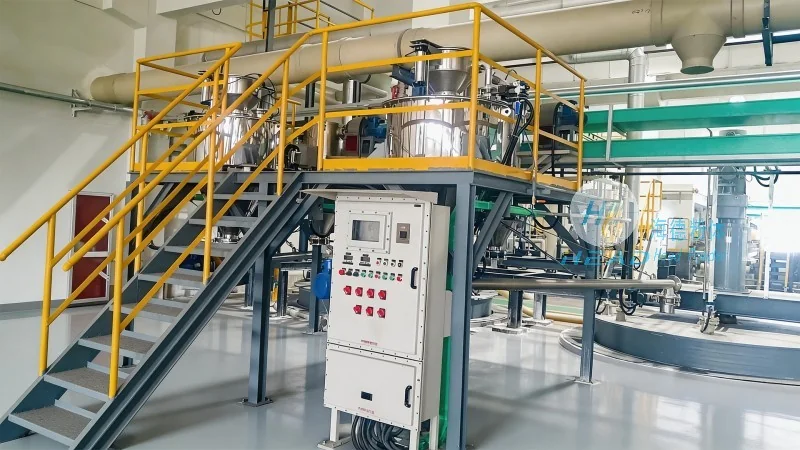
HeadPowder also emphasizes safety and compliance in its design. The conveying lines are equipped with safety features such as overload protection, emergency stop buttons, and interlocks to prevent accidents and ensure operator safety. Additionally, the systems are designed to comply with local and international regulations regarding feed handling and processing, ensuring that the final feed products meet the required quality and safety standards. The company's commitment to quality is reflected in its adherence to industry standards and continuous improvement efforts, which have earned it a reputation as a trusted partner in the feed industry.
Conclusion: The Importance of Well-Designed Feed Powder Conveying Lines
In conclusion, feed powder conveying lines are indispensable components of modern feed mills, playing a crucial role in the efficient and reliable handling of feed powders. The design of these systems is a complex process that requires careful consideration of various factors, including material properties, production requirements, and operational constraints. By adhering to fundamental design principles and leveraging advanced technology, feed mills can achieve optimal performance, minimize material loss, and ensure consistent feed quality. Companies like Shandong HeadPowder Engineering Co., Ltd. play a vital role in providing customized conveying solutions that meet the specific needs of feed producers, helping them to enhance their operational efficiency and maintain a competitive edge in the market.