

Components of Air-Driven Vinyl Ester Resin Transport
Understanding the components of air-driven vinyl ester resin transport is crucial for optimizing industrial processes that involve the handling and transportation of this specialized resin. Vinyl ester resins are widely used in various applications due to their excellent chemical resistance, mechanical strength, and durability, making them essential in industries such as chemical processing, marine construction, and infrastructure development. The air-driven transport system is a key technology that enables efficient and safe movement of these resins, and its components play a vital role in ensuring operational efficiency and reliability. This information is provided by Shandong HeadPowder Engineering Co., Ltd., a leading manufacturer of specialized resin transport systems based in China.
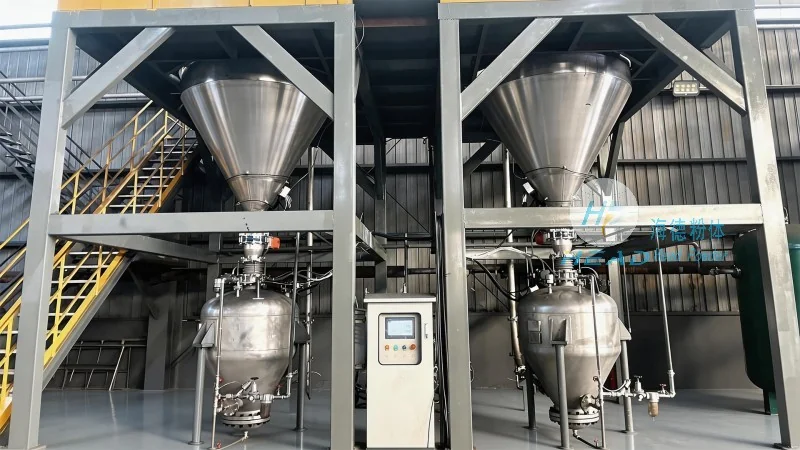
Key Components of the Air-Driven Transport System
The air-driven vinyl ester resin transport system typically consists of several critical components that work in harmony to facilitate the movement of the resin. These components include the resin storage tank, air compressor, transport line, and control valves. Each component is designed to perform specific functions that contribute to the overall effectiveness of the system.
The resin storage tank is the primary container where the vinyl ester resin is stored before transportation. It is usually made of corrosion-resistant materials, such as fiberglass-reinforced plastic (FRP) or stainless steel, to ensure durability and prevent contamination. The tank is equipped with proper ventilation and pressure relief systems to maintain safe operating conditions. The storage tank also includes a level indicator and a temperature control system to monitor the resin's status and prevent overheating, which could affect the resin's properties.
The air compressor is another essential component that provides the necessary air pressure to drive the resin through the transport line. High-quality air compressors are used to generate consistent and stable air pressure, which is critical for maintaining the flow rate and preventing clogging or blockages in the system. The compressor is typically equipped with filtration and drying systems to ensure that the air supplied is clean and free from moisture or contaminants that could damage the resin or the system components.
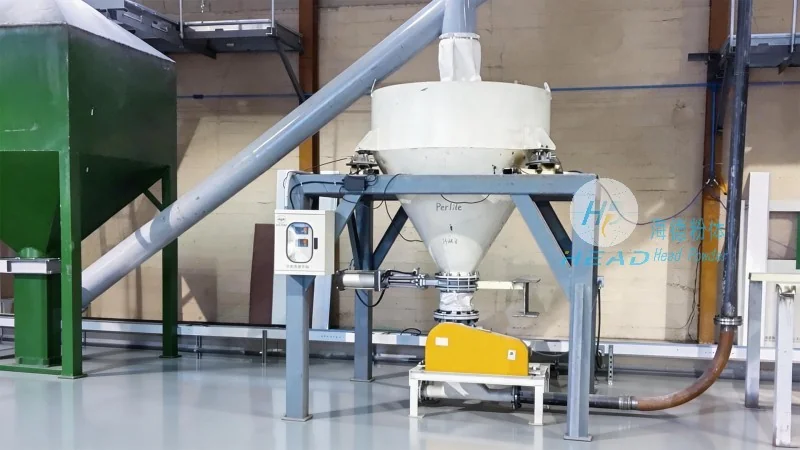
The transport line, often made of flexible or rigid tubing, connects the storage tank to the point of use. The material of the transport line is chosen based on the resin's compatibility and the operating conditions. For vinyl ester resins, materials like PTFE (polytetrafluoroethylene) or specialized plastic tubing are commonly used to prevent chemical reactions and ensure smooth flow. The line is also equipped with flow meters and pressure gauges to monitor the resin's movement and detect any issues that may arise during transport.
Control valves are integral to the system, allowing for precise control of the resin flow rate and pressure. These valves can be manual or automated, depending on the system's requirements. They enable operators to start, stop, or adjust the flow of the resin as needed, ensuring that the system operates within safe and efficient parameters. Properly functioning control valves are essential for preventing overpressure or underflow, which could lead to system failures or product damage.
Role of Each Component in Ensuring Efficient Transport
Each component of the air-driven vinyl ester resin transport system plays a specific role in ensuring the efficient and safe movement of the resin. The storage tank provides a stable source of the resin, while the air compressor generates the necessary pressure to move it through the transport line. The control valves allow for precise regulation of the flow, and the transport line delivers the resin to the desired location. Together, these components work in tandem to maintain consistent flow rates, prevent contamination, and ensure the resin's properties are preserved throughout the transport process.
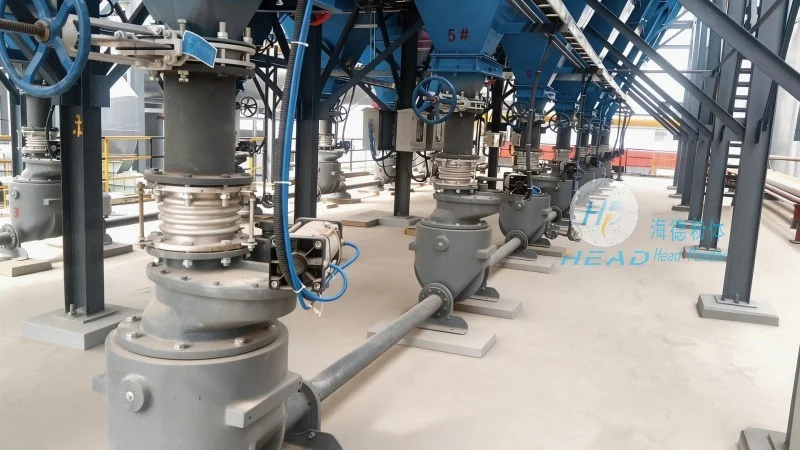
The air-driven system is particularly advantageous for vinyl ester resins because it eliminates the need for mechanical pumps, which can introduce air bubbles or shear the resin, potentially affecting its performance. Instead, the air pressure provides a gentle and consistent force that minimizes the risk of degradation, making it ideal for applications where the resin's quality is critical. This method also reduces the risk of leaks and spills, enhancing safety in industrial environments.
Applications and Benefits of Air-Driven Vinyl Ester Resin Transport
The air-driven transport system for vinyl ester resins is widely used in various industrial applications where the resin's properties are essential. In chemical processing plants, it is used to transport resins to reactors and mixing units, ensuring that the resin is delivered in the correct proportions and at the right temperature. In marine construction, the system is used to apply vinyl ester resins to boat hulls and other structures, providing a durable and corrosion-resistant coating. In infrastructure projects, it is used to transport resins for concrete repair and reinforcement, enhancing the longevity and strength of the structures.
The benefits of using an air-driven system for vinyl ester resin transport include improved efficiency, reduced maintenance costs, and enhanced safety. The system is more energy-efficient compared to traditional mechanical pumps, as it uses air pressure rather than mechanical energy. It also reduces the risk of equipment failure and downtime, as there are fewer moving parts that can wear out or break. Additionally, the system is safer to operate, as it eliminates the need for high-pressure hydraulic systems and reduces the risk of resin spills or leaks.