

Operation Process and Working Principle of Flake Graphite Material Pneumatic Conveying System
Flake graphite, a high-value mineral widely used in refractory materials, lubricants, and battery anodes, requires efficient and reliable handling during processing. The pneumatic conveying system is a critical technology for transporting flake graphite from storage to processing units. This system combines the advantages of air-based transport with precise control mechanisms to ensure minimal material degradation and optimal operational efficiency.
Key Components and Their Functions
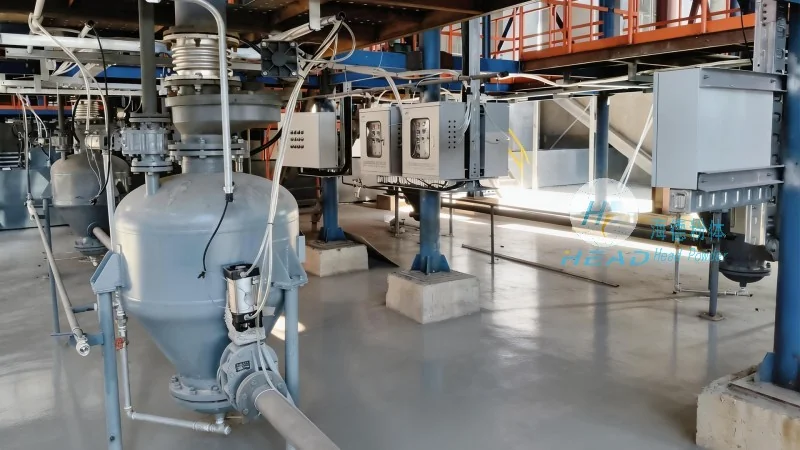
The flake graphite pneumatic conveying system typically consists of several core components, each playing a vital role in the overall operation. The main components include the material hopper, feeder, air compressor, conveying pipeline, and dust collection system. The material hopper stores the graphite flakes and feeds them into the system at a controlled rate. The feeder, often a rotary valve or screw feeder, regulates the flow of material into the pipeline. The air compressor generates the necessary pressure to move the material through the pipeline. The conveying pipeline, usually made of stainless steel or other corrosion-resistant materials, transports the graphite and air mixture. The dust collection system, including filters and cyclones, captures any fine particles to prevent environmental contamination and maintain air quality.
Operation Process: Step-by-Step Execution
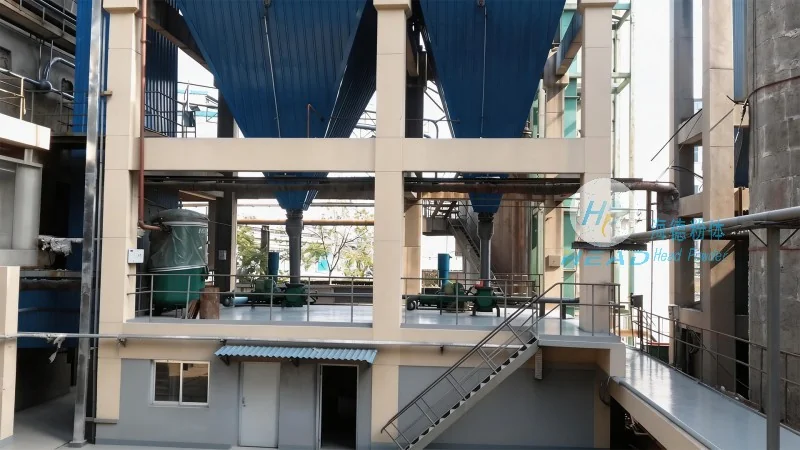
The operation of the flake graphite pneumatic conveying system follows a systematic process to ensure smooth material transfer. First, the material hopper is filled with flake graphite. The feeder then starts, delivering a consistent flow of graphite into the pipeline. Simultaneously, the air compressor activates, generating the required air pressure. The air and graphite mixture is then propelled through the pipeline to the destination point, such as a processing plant or storage silo. At the receiving end, a separator or cyclone separates the graphite from the air, allowing the graphite to be deposited in the target container. The air is then filtered and returned to the system or released safely. This cycle repeats continuously, maintaining a steady flow of material.
Working Principle: How the System Transmits Material
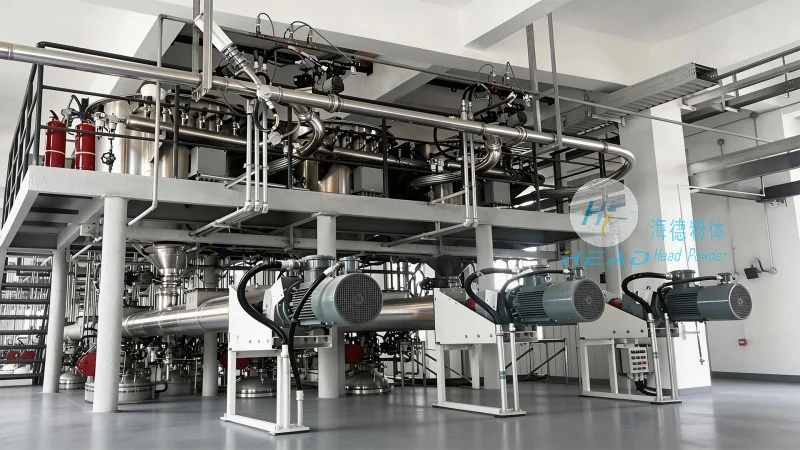
The working principle of the flake graphite pneumatic conveying system is based on the principles of fluid dynamics and particle transport. The system operates by creating a pressure differential between the material hopper and the receiving end. The air compressor supplies compressed air, which creates a high-pressure environment in the pipeline. As the air flows through the pipeline, it entrains the flake graphite particles, forming a slurry-like mixture. The velocity of the air is crucial; it must be sufficient to overcome the gravitational force acting on the particles and maintain their suspension. The pipeline design, including bends and valves, is optimized to minimize pressure loss and ensure stable flow. The dust collection system works in tandem with the conveying process, capturing any fine particles that may be generated during transport, thus maintaining the purity of the graphite and preventing air pollution.
About Shandong HeadPowder Engineering Co., Ltd.
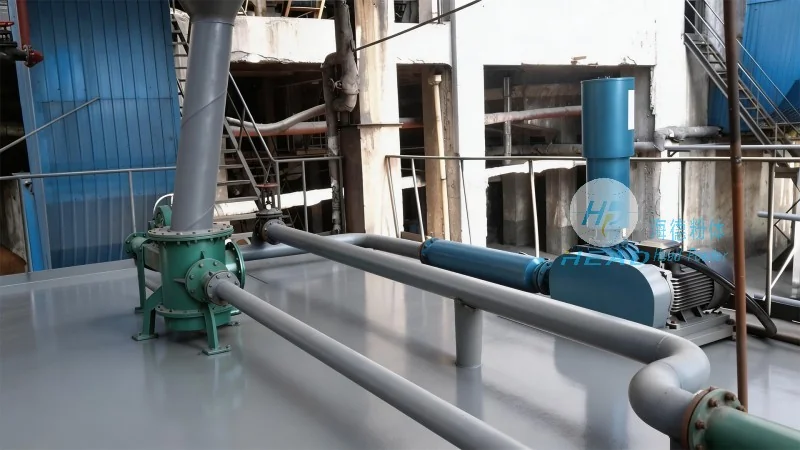
Shandong HeadPowder Engineering Co., Ltd., operating under the brand name headpowder, is a leading provider of specialized engineering solutions for material handling systems. With a focus on innovation and quality, the company designs and manufactures pneumatic conveying systems tailored to the unique needs of industries dealing with high-value materials like flake graphite. Headpowder's expertise lies in developing systems that enhance operational efficiency, reduce material loss, and ensure compliance with environmental standards. The company's facilities are located in Shandong, China, where it leverages local resources and expertise to deliver reliable and cost-effective solutions to clients worldwide.