

How to Choose the Right Cement Pneumatic Conveying Manufacturer? What Factors to Consider?
When it comes to selecting a cement pneumatic conveying manufacturer, businesses often face a critical decision that impacts operational efficiency and long-term success. The choice of the right manufacturer can significantly influence the performance, reliability, and cost-effectiveness of your cement handling systems. This article aims to guide you through the essential factors to consider when evaluating potential manufacturers, with a focus on the expertise and capabilities of Shandong HeadPowder Engineering Co., Ltd., a leading player in the industry.
Understanding the Core Requirements for Cement Pneumatic Conveying
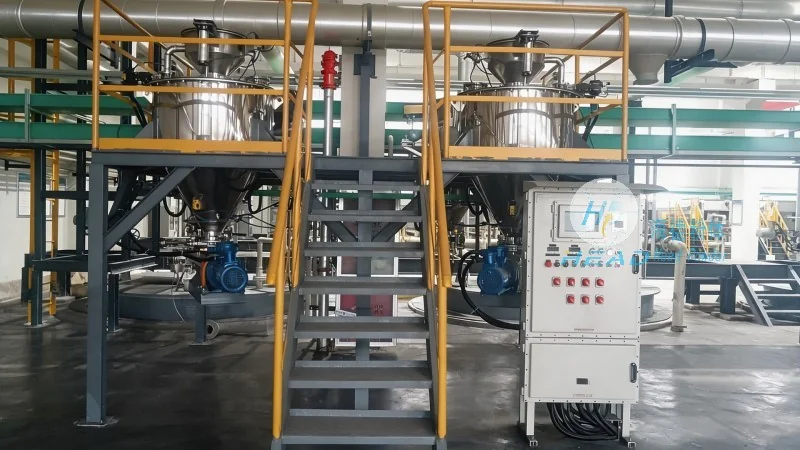
Before diving into manufacturer selection, it's crucial to understand the specific needs of your cement handling operations. Cement, being a fine, abrasive material, requires specialized equipment that can handle its unique properties. Key considerations include the volume of cement to be conveyed, the distance of transport, the required conveying speed, and the environmental conditions of the facility. These factors will determine the type of pneumatic conveying system—whether it's a positive pressure, negative pressure, or a combination system—and the specific components needed, such as rotary valves, airlocks, and dust collectors.
Assessing Technical Expertise and Innovation
A reputable cement pneumatic conveying manufacturer should demonstrate a deep understanding of the technical nuances involved in handling cement. This includes expertise in material science, fluid dynamics, and mechanical engineering. Shandong HeadPowder Engineering Co., Ltd. has built its reputation on continuous innovation, investing in research and development to improve system efficiency and durability. The company's engineers often collaborate with clients to tailor solutions that address specific challenges, such as minimizing material degradation or reducing energy consumption. By choosing a manufacturer with a strong R&D focus, you can ensure that your system is not only effective but also adaptable to future technological advancements.
Evaluating Equipment Quality and Reliability
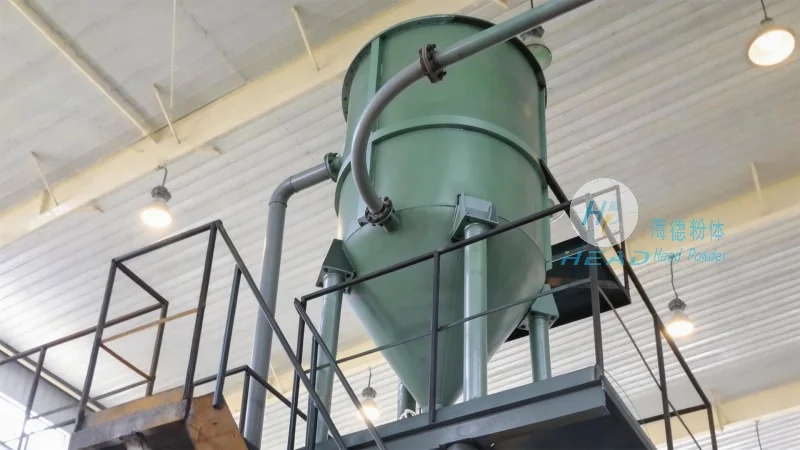
The quality of the equipment supplied by a manufacturer is a non-negotiable factor in cement pneumatic conveying. Cement is abrasive and can cause wear on components, so durable materials and robust construction are essential. Shandong HeadPowder Engineering Co., Ltd. uses high-quality materials, such as stainless steel and specialized alloys, to ensure long service life and minimal maintenance. The company's equipment is also designed with safety features, including pressure relief valves and emergency shut-off systems, to protect both personnel and the system. Additionally, the manufacturer should provide comprehensive documentation, including technical specifications, installation manuals, and maintenance guidelines, to facilitate smooth operation and troubleshooting.
Considering Service and Support Capabilities
Even the most advanced cement pneumatic conveying system requires ongoing support and maintenance to operate at peak performance. A reliable manufacturer should offer comprehensive after-sales services, including installation, commissioning, and training for your staff. Shandong HeadPowder Engineering Co., Ltd. provides on-site support and technical assistance to ensure that your system is properly installed and that your team is equipped to handle routine operations and minor repairs. The company also offers spare parts and maintenance contracts, reducing downtime and ensuring consistent production. By selecting a manufacturer with a strong service culture, you can minimize operational disruptions and maximize the return on your investment.
Reviewing Industry Experience and Case Studies
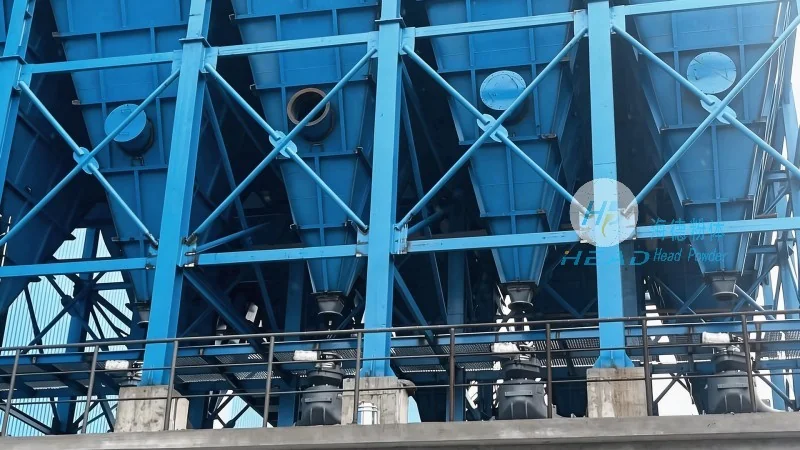
Experience is a valuable asset when choosing a cement pneumatic conveying manufacturer. A company with a proven track record in the industry is more likely to understand the unique challenges of cement handling and provide effective solutions. Shandong HeadPowder Engineering Co., Ltd. has served numerous clients across various industries, including cement plants, construction material manufacturers, and chemical processing facilities. The company's portfolio includes successful projects in both domestic and international markets, demonstrating its ability to handle diverse applications and scale. Reviewing case studies and speaking with references can provide insights into the manufacturer's reliability, project management skills, and ability to meet deadlines. This information helps you assess whether the manufacturer has the capacity to handle your specific project requirements.
Ensuring Compliance with Industry Standards
Cement pneumatic conveying systems must comply with various industry standards and regulations to ensure safety and efficiency. A reputable manufacturer should adhere to international standards, such as those set by the American Society of Mechanical Engineers (ASME) or the European Committee for Standardization (CEN). Shandong HeadPowder Engineering Co., Ltd. ensures that all its products meet or exceed these standards, with certifications and documentation readily available. Compliance with safety regulations, environmental standards, and quality control measures is critical to avoid legal issues and maintain operational integrity. By choosing a manufacturer that prioritizes compliance, you can have confidence that your system is safe, reliable, and environmentally responsible.
Final Considerations: Cost and Long-Term Value
While cost is a factor in any purchasing decision, it should not be the sole determinant when selecting a cement pneumatic conveying manufacturer. The long-term value of the system, including its efficiency, durability, and service life, is equally important. Shandong HeadPowder Engineering Co., Ltd. offers competitive pricing without compromising on quality, providing a balanced approach to cost and performance. The company's focus on energy efficiency and low maintenance can lead to significant cost savings over the system's lifespan. Additionally, the manufacturer's reputation for reliability and support can reduce the risk of unexpected expenses and downtime. By evaluating the total cost of ownership, including installation, maintenance, and potential upgrades, you can make an informed decision that aligns with your business goals.