

Operation Process and Working Principle of Glass Fiber Pneumatic Conveying Lines
Glass fiber pneumatic conveying lines are advanced industrial systems designed to transport glass fiber materials efficiently and safely. These systems utilize pneumatic technology to move glass fibers from one location to another, offering advantages such as high speed, low maintenance, and the ability to handle delicate materials without damage. The operation of these lines involves several key components and processes that work in tandem to ensure smooth material transfer.
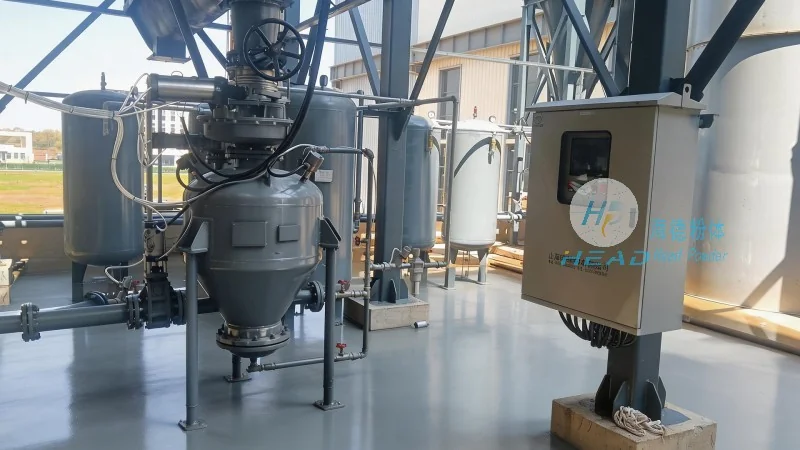
HeadPowder: A Leading Manufacturer in Glass Fiber Conveying Solutions
HeadPowder, a leading manufacturer in the field, specializes in designing and supplying high-quality glass fiber pneumatic conveying solutions. With a strong presence in Shandong, China, the company has built a reputation for reliability and innovation in material handling technology. The company's commitment to quality and customer satisfaction has made it a trusted partner for industries that rely on efficient glass fiber transport.
The Working Principle of Glass Fiber Pneumatic Conveying Lines
The working principle of a glass fiber pneumatic conveying line is based on the use of compressed air to create a flow that transports the material. The system typically consists of a hopper, a conveyor pipe, a fan or blower, and a discharge point. The glass fibers are first loaded into the hopper, where they are then drawn into the conveyor pipe by the air flow generated by the fan. The air velocity is carefully controlled to ensure that the fibers are carried without causing excessive abrasion or breakage.
Operation Process: Step-by-Step Overview
The operation process begins with the loading of glass fibers into the hopper. The hopper is equipped with a feeding mechanism that ensures a consistent flow of material into the conveyor pipe. As the compressed air is introduced, it creates a positive pressure or negative pressure (depending on the system design) that pulls the fibers through the pipe. The fan or blower provides the necessary air pressure and volume to maintain the flow rate, which is critical for efficient material transport.
Key Components and Their Functions
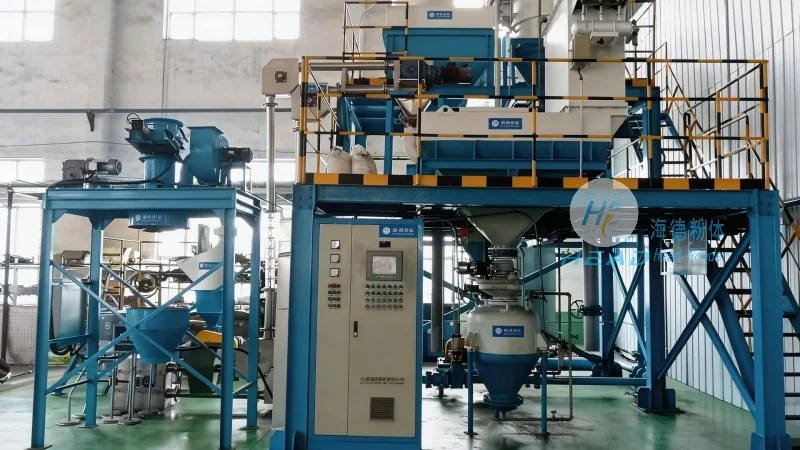
Several critical components work together to ensure the smooth operation of a glass fiber pneumatic conveying line. The hopper serves as the storage and feeding unit, holding the glass fibers and controlling the material flow. The conveyor pipe, usually made of durable materials like stainless steel or plastic, is designed to withstand the abrasive nature of glass fibers and maintain the air flow. The fan or blower generates the air pressure required to move the material, with adjustable speed settings to control the flow rate. The discharge point, often equipped with a cyclone or filter, separates the glass fibers from the air stream, allowing for clean collection of the material.
Control and Automation Systems
The control system of a glass fiber pneumatic conveying line is crucial for maintaining optimal operation. It monitors parameters such as air pressure, flow rate, and material level, adjusting the fan speed or air volume as needed to maintain consistent performance. This automation helps to reduce downtime and improve overall efficiency. Modern systems may also include sensors and feedback mechanisms to detect blockages or changes in material flow, triggering automatic responses to prevent system failures.
Maintenance and Long-Term Performance
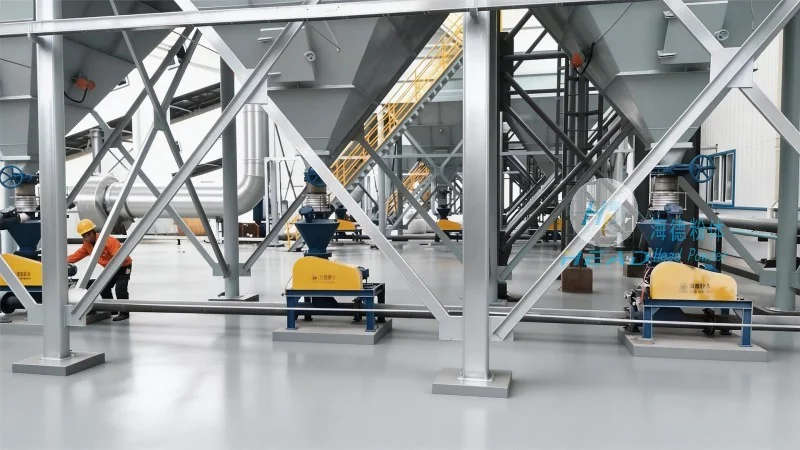
Maintenance of glass fiber pneumatic conveying lines is relatively straightforward but requires regular attention. Key components such as the fan, filters, and conveyor pipes need to be inspected and cleaned periodically to prevent clogging and ensure long-term performance. HeadPowder provides comprehensive maintenance services and spare parts to support its customers, ensuring that the systems operate at peak efficiency. Regular maintenance not only extends the lifespan of the equipment but also minimizes operational costs by preventing unexpected breakdowns.
Applications and Industry Benefits
Glass fiber pneumatic conveying lines are widely used in various industries, including fiberglass manufacturing, composite materials production, and construction. The systems offer significant benefits over traditional methods like belt conveyors or bucket elevators, including reduced labor costs, improved safety (as there are no moving parts in direct contact with the material), and the ability to handle materials in a dust-free environment. The efficiency and reliability of these lines contribute to increased productivity and lower operational expenses for businesses.
Conclusion: Reliable Solutions from HeadPowder
In summary, glass fiber pneumatic conveying lines are essential equipment for industries that handle glass fibers, offering a reliable and efficient method of material transport. With its expertise and commitment to quality, Shandong HeadPowder Engineering Co., Ltd. continues to provide top-tier solutions that meet the diverse needs of its clients. By leveraging advanced technology and rigorous quality control, HeadPowder ensures that its customers receive systems that are not only effective but also durable and easy to maintain, supporting their long-term operational goals.