

Operation Process and Working Principle of Stone Aggregate Pneumatic Conveying Machine
For industries dealing with bulk materials like stone aggregates, efficient and reliable material handling is crucial. The stone aggregate pneumatic conveying machine, a key piece of equipment from Shandong HeadPowder Engineering Co., Ltd., offers a solution that combines advanced technology with robust performance. This article explores the operation process and working principle of such machines, highlighting how they enhance productivity and operational efficiency in material transport applications.
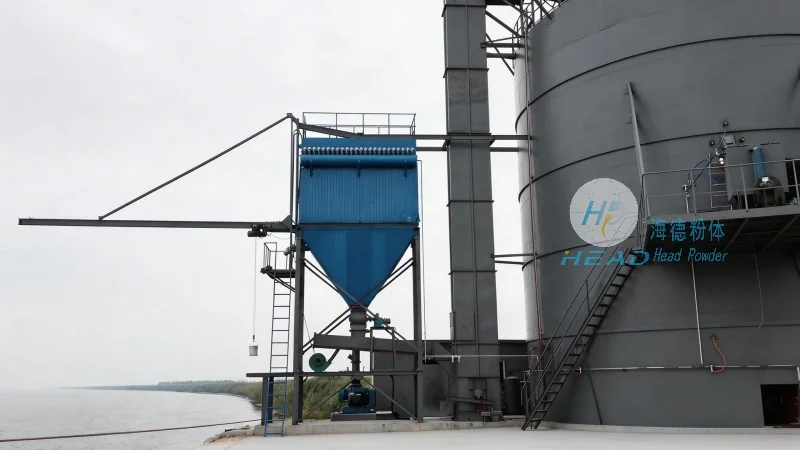
Overview of Stone Aggregate Pneumatic Conveying Systems
Stone aggregate pneumatic conveying systems are designed to transport dry, free-flowing materials such as sand, gravel, and crushed stone over short to medium distances. These systems utilize air pressure to move the material through a pipeline network, eliminating the need for mechanical components like belts or buckets that are common in traditional conveyor systems. The design of these machines is tailored to handle abrasive and heavy materials, ensuring durability and long service life.
Key Components of the Pneumatic Conveying Machine
The operation of a stone aggregate pneumatic conveying machine relies on several critical components, each playing a vital role in the material transport process. The main components include the hopper, which serves as the material storage and feeding unit; the air compressor, responsible for generating the necessary air pressure; the conveying line, which transports the material; and the discharge unit, where the material is released at the destination. Additionally, control valves and filters are integrated to regulate airflow and maintain system efficiency.
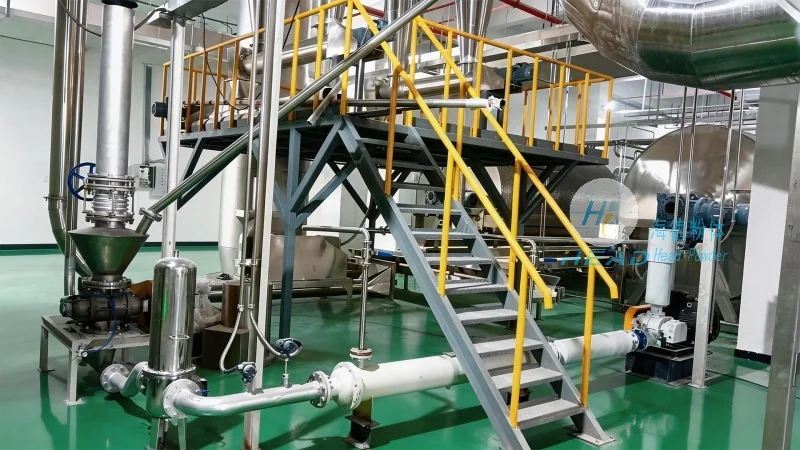
Working Principle: The Step-by-Step Operation
The working principle of a stone aggregate pneumatic conveying machine involves a sequence of steps that ensure smooth material transport. The process begins with the material being loaded into the hopper. As the material accumulates, it is drawn into the conveying line by the air flow generated by the compressor. The air pressure creates a vacuum or positive pressure within the line, depending on the system design, which propels the material forward. The material is then transported through the pipeline to the discharge point, where it is released under controlled conditions. The system continuously cycles, with the compressor maintaining the required pressure to sustain the conveying process.
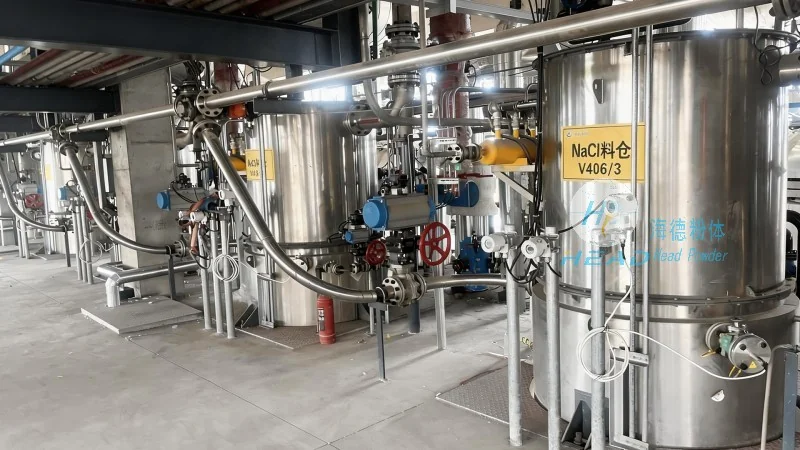
Advantages of Using Pneumatic Conveying for Stone Aggregates
Implementing a stone aggregate pneumatic conveying machine offers several advantages over traditional material handling methods. First, it eliminates the need for multiple transfer points and mechanical components, reducing maintenance costs and downtime. Second, the system is highly flexible, allowing for changes in material flow direction and distance without significant modifications. Third, it provides a clean and dust-free operation, which is essential for maintaining environmental standards and worker safety. Additionally, the compact design of these machines saves space in industrial facilities, making them suitable for both new installations and retrofitting existing operations.
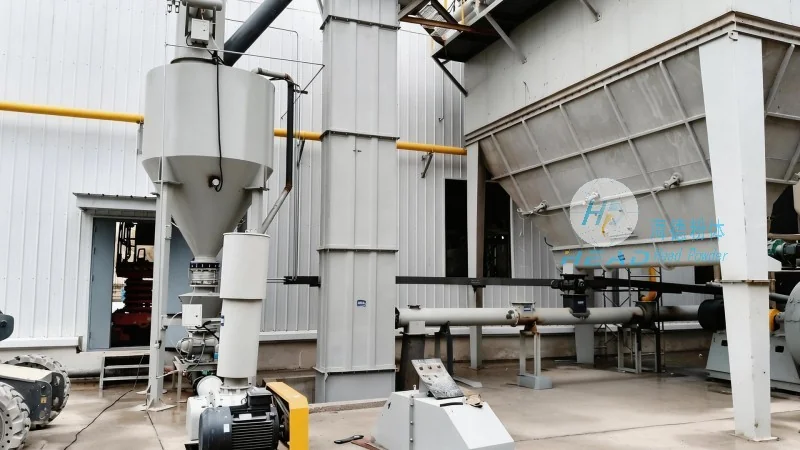
Application Scenarios and Industry Impact
Stone aggregate pneumatic conveying machines are widely used in various industries, including construction, mining, and manufacturing. In construction sites, they efficiently transport aggregates from storage areas to mixing plants, ensuring a steady supply of materials for concrete production. In mining operations, these systems help move crushed stone from processing plants to storage or shipping facilities, improving overall workflow efficiency. The consistent and reliable performance of the pneumatic conveying machine contributes to increased productivity and reduced operational costs in these applications.
Maintenance and Operational Considerations
To ensure optimal performance and longevity of the stone aggregate pneumatic conveying machine, regular maintenance is essential. This includes checking the air compressor for proper operation, inspecting the conveying line for blockages or wear, and cleaning the filters to maintain airflow efficiency. Additionally, monitoring the system pressure and flow rates helps identify potential issues before they escalate into major problems. Proper training of operators on the machine's controls and safety procedures is also crucial to prevent accidents and ensure safe operation.