For food manufacturers, the efficient and safe handling of powdered additives is crucial to maintaining product quality and operational efficiency. Powder conveying lines, specifically designed for food additives, play a vital role in this process. This article explores the principles behind these systems and highlights the key characteristics of their working environments.
Understanding the Core Principles of Food Additive Powder Conveying Lines
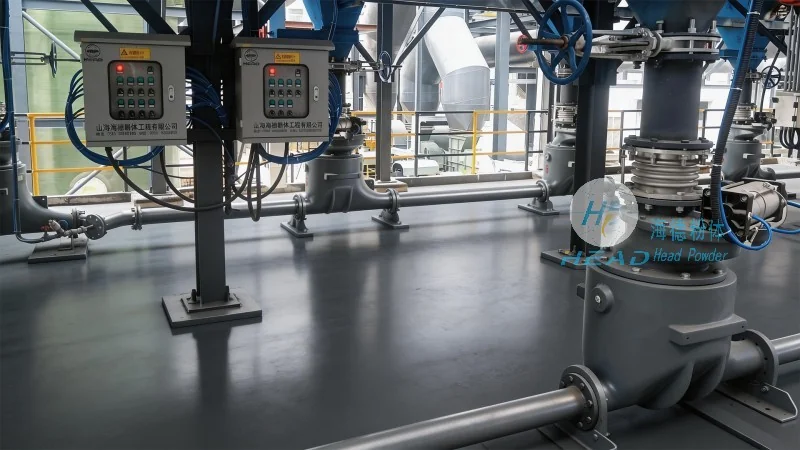
The fundamental principle of a powder conveying line is to transport dry powders from one location to another within a production facility. These systems are engineered to handle materials such as colorants, flavor enhancers, preservatives, and other additives used in food processing. The design of these lines prioritizes factors like material flow control, dust containment, and compliance with food safety regulations. Key components typically include hoppers, feeders, conveyors (e.g., pneumatic or mechanical), and control systems. The choice of conveying method depends on the properties of the powder—such as particle size, moisture content, and flowability—and the specific requirements of the production line.
Working Scene Characteristics: Safety, Efficiency, and Hygiene
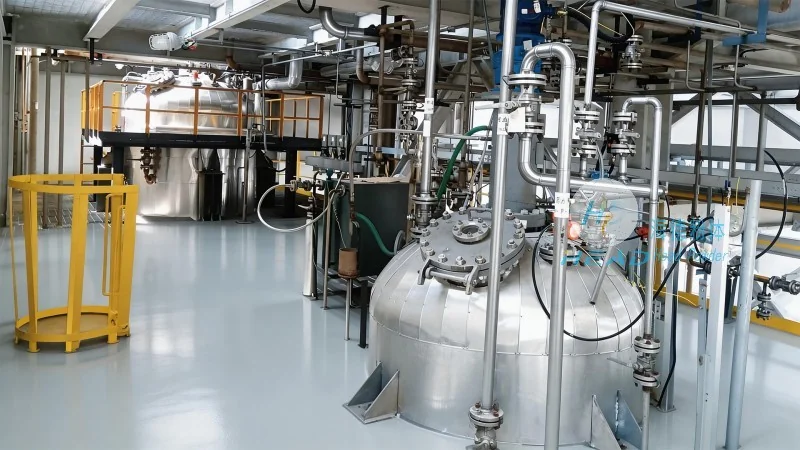
The working environment of a food additive powder conveying line is characterized by several critical aspects that ensure both operational success and regulatory compliance. First, safety is paramount. Systems are designed with features like explosion-proof motors, dust extraction systems, and interlocked access panels to prevent accidents and protect personnel. Second, efficiency is a key characteristic. Modern conveying lines often incorporate automated controls, real-time monitoring, and energy-saving technologies to optimize material flow and reduce downtime. Third, hygiene is non-negotiable. Materials used in the construction of the line, including stainless steel, food-grade plastics, and smooth surfaces, are chosen to prevent contamination and facilitate cleaning. Additionally, the layout of the system is often designed to minimize material accumulation and reduce the risk of cross-contamination between different additives.
Application Scenarios: From Small-Scale Production to Large-Scale Processing
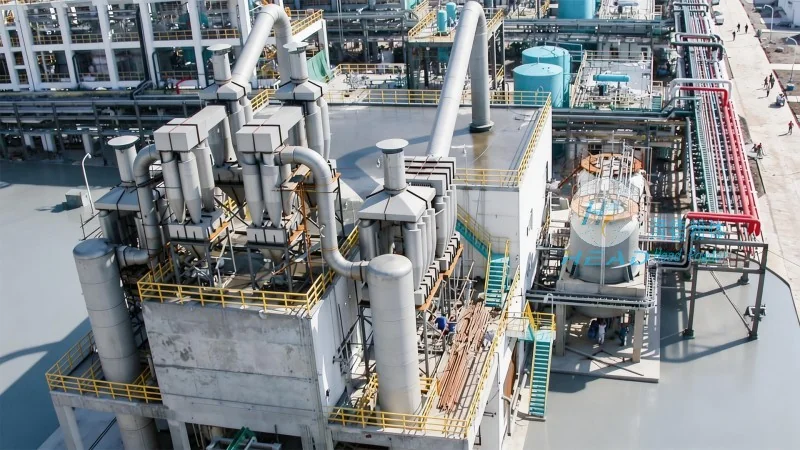
Food additive powder conveying lines are versatile and can be applied in a wide range of scenarios. For small-scale food manufacturers, compact and modular systems are available, allowing for easy installation and integration into existing production lines. These systems are ideal for processing smaller batches of additives and can be customized to meet specific product requirements. In contrast, large-scale food processing plants require more robust and high-capacity conveying lines. These systems may include multiple hoppers, high-capacity pneumatic conveyors, and automated batching systems to handle large volumes of powder. The working scene in such facilities is often characterized by high throughput, continuous operation, and strict quality control measures. Additionally, the integration of these lines with other production equipment, such as mixers and packaging machines, ensures a seamless flow of materials from raw additive to finished product.
Conclusion: The Importance of Specialized Conveying Solutions for Food Additives
In conclusion, powder conveying lines for food additives are essential tools for modern food manufacturing. By understanding the core principles of these systems and the characteristics of their working environments, manufacturers can optimize their operations, ensure product safety, and comply with industry regulations. The expertise of companies like Shandong HeadPowder Engineering Co., Ltd., based in China, plays a crucial role in designing and implementing these specialized solutions. With a focus on safety, efficiency, and hygiene, these systems enable food manufacturers to handle powdered additives effectively, supporting the production of high-quality food products.




