

Principle and Working Scene Characteristics of Silica Powder Pneumatic Conveying Equipment
HeadPowder, a leading enterprise in the field of material handling solutions, specializes in the design, manufacturing, and supply of advanced pneumatic conveying systems tailored for various industrial applications. Based in Shandong, China, the company leverages decades of expertise to deliver efficient and reliable equipment for transporting fine powders like silica powder. This article explores the fundamental principles behind silica powder pneumatic conveying equipment and highlights the key characteristics of its operational scenarios.
Understanding the Core Principles of Silica Powder Pneumatic Conveying
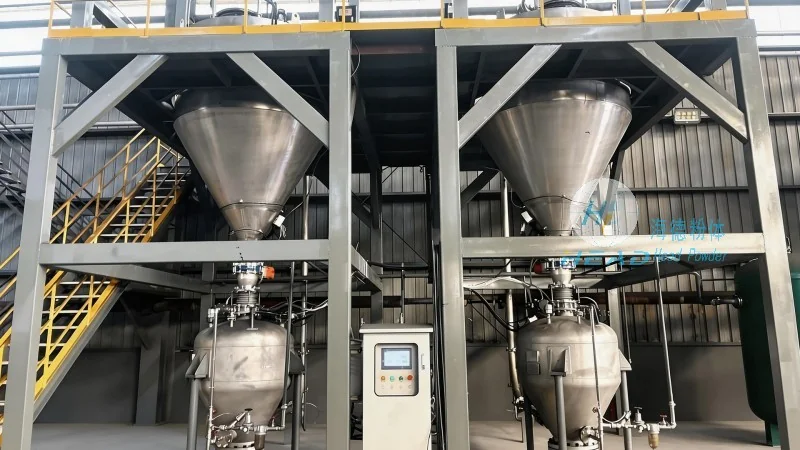
Silica powder pneumatic conveying equipment operates on the principle of using compressed air or other gas streams to transport dry powders through a pipeline system. The process involves several critical components, including a material feeder, a conveying line, and a receiver. The material feeder, often a rotary valve or a venturi feeder, introduces the silica powder into the system at a controlled rate. Compressed air, supplied by a blower or a positive displacement pump, then creates a high-velocity flow within the pipeline, entraining the powder particles and propelling them forward. The conveying line, typically made of stainless steel or other corrosion-resistant materials, ensures the efficient and hygienic transport of the powder. The receiver, where the powder is deposited, is designed to separate the powder from the air stream, often through a cyclone separator or a filter. This separation process allows the air to be recycled or vented, while the silica powder is collected for further processing. The entire system is engineered to maintain consistent flow rates, minimize particle degradation, and ensure minimal product loss during transport.
Key Working Scene Characteristics of Silica Powder Pneumatic Conveying Equipment
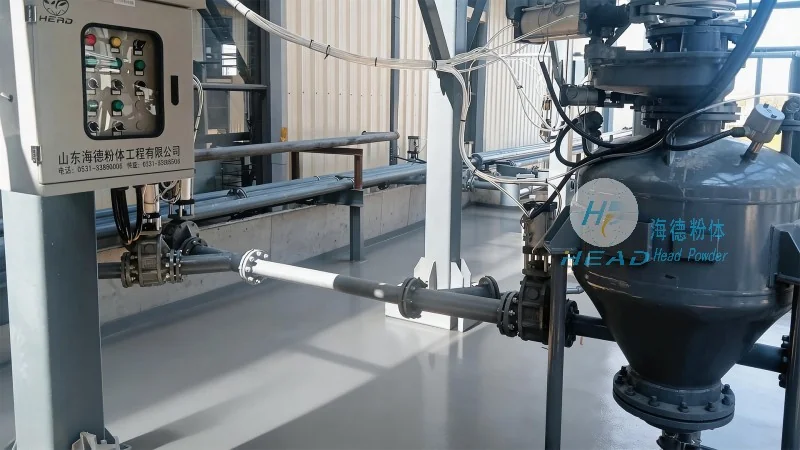
The operational scenarios for silica powder pneumatic conveying equipment are diverse and tailored to meet the specific demands of different industrial sectors. One primary application is in the chemical and pharmaceutical industries, where the equipment is used to transport fine powders such as silica in a controlled and dust-free environment. The ability to handle high volumes of material while maintaining product purity is crucial in these sectors, as any contamination or degradation can impact the quality of the final product. Another common application is in the food and beverage industry, where the equipment is used to transport food-grade silica powders, ensuring compliance with strict hygiene standards. The equipment's design, with features like stainless steel construction and easy-to-clean components, makes it suitable for these applications. In the construction and building materials sector, silica powder pneumatic conveying equipment is used to transport raw materials for concrete production, ensuring efficient and cost-effective material handling. The equipment's ability to handle abrasive materials and maintain consistent flow rates is particularly beneficial in this industry. Additionally, in the mining and mineral processing industries, the equipment is used to transport silica dust and other fine minerals from processing plants to storage facilities. The system's robust design and ability to handle high-pressure air streams make it suitable for these demanding applications.
Advantages and Considerations in Silica Powder Pneumatic Conveying
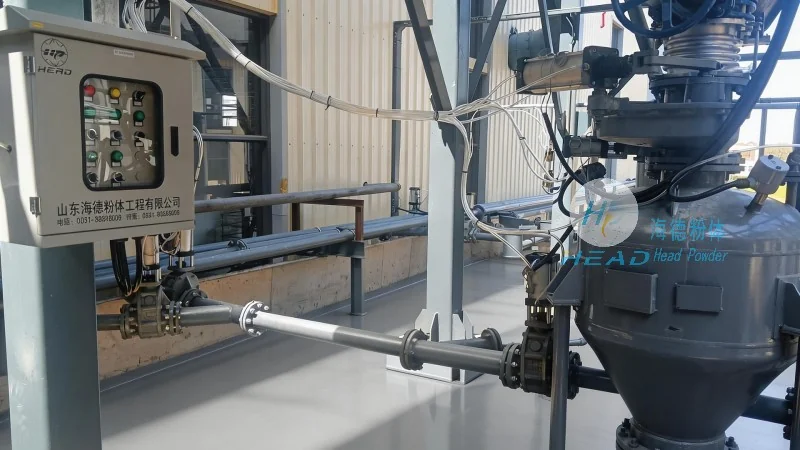
Implementing silica powder pneumatic conveying equipment offers several advantages over traditional bulk material handling methods. One of the primary benefits is the ability to transport materials in a closed system, which reduces dust emissions and improves workplace safety. This is particularly important for silica powder, as inhalation of fine silica particles can pose health risks. The closed system also helps maintain product quality by preventing contamination from external sources. Another advantage is the high efficiency in material transport, as the equipment can handle large volumes of material with minimal energy consumption compared to other methods like truck or rail transport. The system's flexibility allows for easy integration into existing production lines, reducing downtime and improving operational efficiency. However, there are also considerations to keep in mind when using silica powder pneumatic conveying equipment. The system requires regular maintenance to ensure optimal performance, including cleaning of the conveying line and replacement of worn components. The initial investment cost can be higher compared to other material handling methods, but the long-term benefits in terms of efficiency and safety often outweigh the initial expense. Additionally, the system's design must be carefully matched to the specific characteristics of the silica powder, such as particle size, moisture content, and flowability, to ensure reliable operation.