

Principle and Working Scene Characteristics of Magnesia Sand Pneumatic Conveying Equipment
HeadPowder, a leading manufacturer based in Shandong, China, specializes in the design and production of advanced pneumatic conveying systems tailored for magnesia sand applications. This article explores the fundamental principles behind magnesia sand pneumatic conveying equipment and highlights key working scene characteristics that define its operational efficiency and versatility.
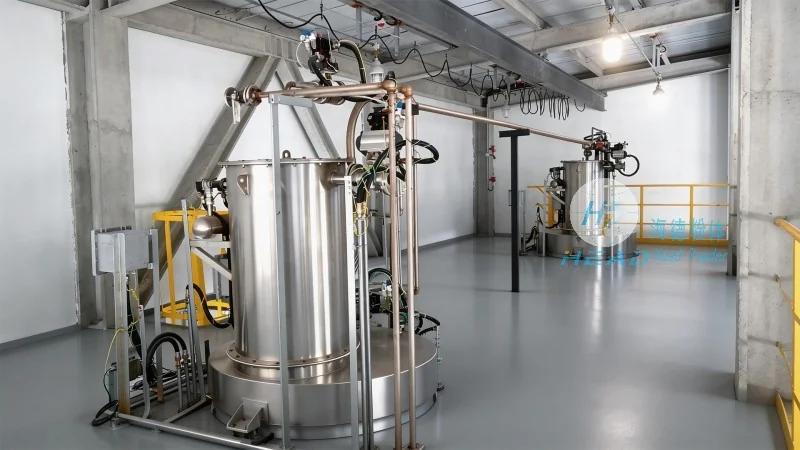
Principle of Pneumatic Conveying for Magnesia Sand
The core principle of magnesia sand pneumatic conveying equipment involves the use of compressed air to transport dry bulk materials like magnesia sand through a pipeline system. Unlike traditional mechanical conveying methods, pneumatic systems utilize air pressure to move material, offering advantages such as reduced maintenance, lower energy consumption, and the ability to handle fine or dusty materials without clogging. The process typically involves a hopper or feeder that feeds the magnesia sand into a pipeline, where compressed air propels the material forward. Key components include the air compressor, material hopper, pipeline network, and discharge unit. The system operates by creating a pressure differential that moves the sand through the system, ensuring consistent and controlled material flow. This method is particularly effective for magnesia sand due to its fine particle size and potential for dust generation, as the pneumatic system can handle these characteristics without the need for additional dust control measures beyond standard air filtration.
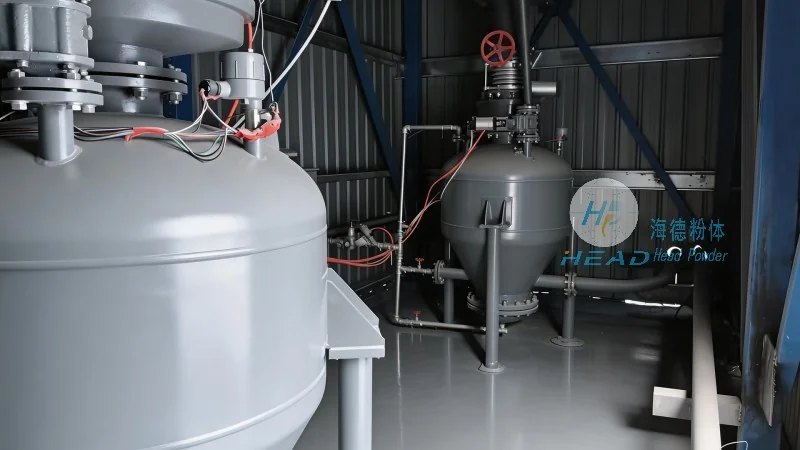
Working Scene Characteristics of Magnesia Sand Pneumatic Conveying Equipment
Magnesia sand pneumatic conveying equipment is widely utilized in various industrial applications where efficient material handling is critical. The working scene characteristics of these systems are tailored to meet the specific demands of different industries, including refractory production, chemical processing, and construction material manufacturing. In refractory production, for example, the equipment is used to transport magnesia sand from storage silos to mixing and molding stations, ensuring a continuous supply of raw material. The system's ability to handle fine particles and maintain consistent flow rates is essential for achieving uniform product quality in refractory bricks and other components. In chemical processing plants, magnesia sand is often used as a filler or raw material in the production of magnesium compounds, and the pneumatic conveying system ensures safe and efficient transport of the material without exposure to contaminants. The working scene also includes considerations for space constraints, as pneumatic systems can be installed in compact areas due to their flexible pipeline design. Additionally, the system's ability to operate in different environmental conditions, such as temperature variations and humidity, makes it suitable for outdoor or indoor applications. The working scene characteristics further include the need for reliable material feeding and discharge mechanisms, as well as the integration with existing production lines to ensure seamless operation. HeadPowder's magnesia sand pneumatic conveying equipment is designed to meet these diverse working scene requirements, providing customized solutions that enhance operational efficiency and reduce downtime.
Key Features and Advantages of Magnesia Sand Pneumatic Conveying Systems
HeadPowder's magnesia sand pneumatic conveying systems are equipped with several key features that enhance their performance and reliability. These features include high-efficiency air compressors that provide consistent pressure, advanced material feeders that ensure uniform material flow, and durable pipeline materials that resist corrosion and wear from magnesia sand particles. The systems also incorporate air filtration and dust collection units to maintain a clean working environment and comply with environmental regulations. Another important feature is the control system, which allows for real-time monitoring and adjustment of the conveying process, ensuring optimal performance. The advantages of using magnesia sand pneumatic conveying equipment include reduced labor costs due to automated material handling, lower maintenance requirements compared to mechanical systems, and improved safety by eliminating manual handling of fine materials. Additionally, the system's ability to handle long-distance transport without the need for intermediate storage points makes it ideal for large-scale industrial operations. The working scene benefits also extend to energy efficiency, as pneumatic systems can operate with lower energy consumption than traditional conveying methods, contributing to cost savings and environmental sustainability. HeadPowder's commitment to quality and innovation ensures that their magnesia sand pneumatic conveying systems meet the highest standards, providing customers with reliable and efficient solutions for their material handling needs.
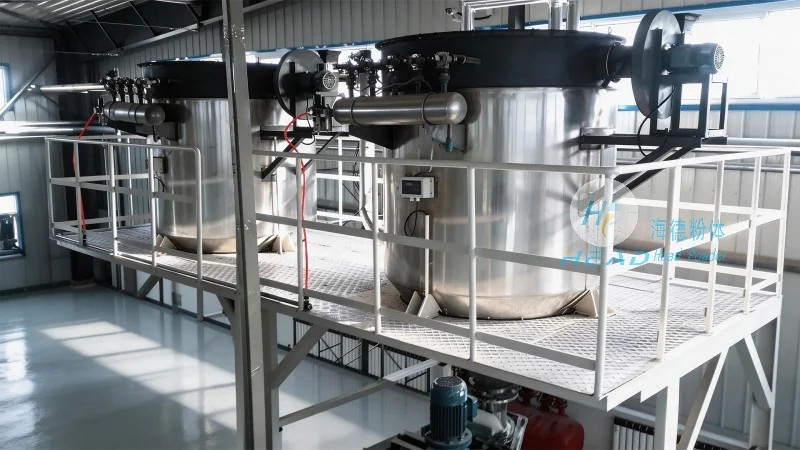
Application Examples and Working Scene Integration
The application of magnesia sand pneumatic conveying equipment is demonstrated in various working scenes across different industries. In a refractory manufacturing plant, the system is integrated into the production line to transport magnesia sand from a storage silo to a mixing machine. The hopper feeder ensures a steady supply of sand, while the compressed air system moves the material through the pipeline to the mixing station. The discharge unit at the mixing station controls the flow rate, ensuring precise dosing of magnesia sand into the refractory mixture. In a chemical processing facility, the equipment is used to transport magnesia sand from a raw material storage area to a reactor. The system's ability to handle fine particles prevents clogging in the pipeline, and the air filtration system maintains a clean environment in the processing area. The working scene also includes the integration of the pneumatic system with other production equipment, such as conveyor belts and mixing machines, to create a seamless material flow. HeadPowder's systems are designed to be easily integrated into existing production lines, minimizing the need for major modifications. The working scene examples highlight the versatility of magnesia sand pneumatic conveying equipment, which can be adapted to various industrial processes and working environments. The systems are also suitable for applications requiring high material throughput, such as large-scale refractory production or chemical manufacturing, where consistent and reliable material handling is critical for maintaining production efficiency.