

Principle and Working Scene Characteristics of Calcium Oxide Pneumatic Conveying Systems
HeadPowder, a leading provider in the field of material handling solutions, specializes in the design, manufacturing, and implementation of advanced pneumatic conveying systems for various industrial applications. This article delves into the fundamental principles behind calcium oxide pneumatic conveying systems, exploring how these systems operate and the specific scenarios where they excel in material transport.
Introduction to Calcium Oxide Pneumatic Conveying Systems
Calcium oxide, commonly known as quicklime, is a widely used industrial material in sectors such as construction, chemical processing, and environmental remediation. The efficient and safe transport of calcium oxide from storage to processing units is crucial for maintaining operational efficiency and product quality. Pneumatic conveying systems offer a reliable solution for this purpose, leveraging the principles of air flow to move bulk materials through pipelines. HeadPowder, with its expertise in engineering and material handling, has developed specialized systems tailored to the unique properties of calcium oxide, ensuring optimal performance and minimal downtime.
The Core Principle of Pneumatic Conveying
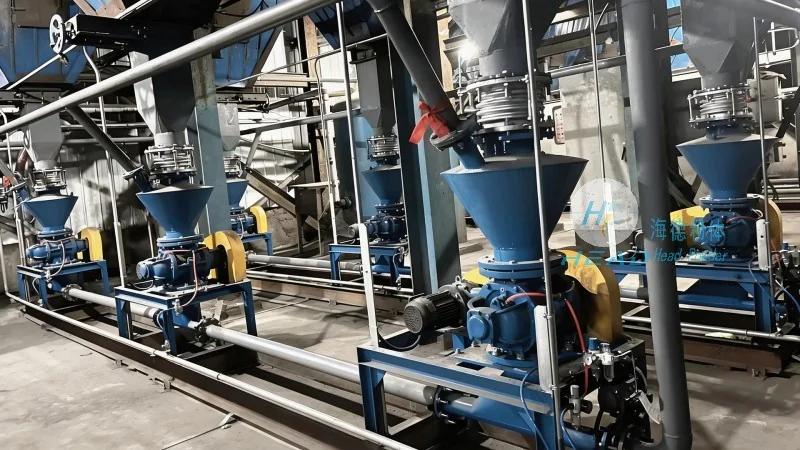
The fundamental principle of pneumatic conveying involves the use of compressed air or gas to transport solid particles through a closed pipeline system. In the case of calcium oxide, the system operates by creating a flow of air that entrains the material particles, carrying them from the source (e.g., storage silos or hoppers) to the destination (e.g., processing equipment or discharge points). The key components of a typical calcium oxide pneumatic conveying system include a material feeder, a conveying pipeline, a control system, and a discharge mechanism. The material feeder ensures a consistent flow of calcium oxide into the system, while the conveying pipeline transports the material under pressure. The control system regulates the air flow and pressure to maintain optimal conveying conditions, and the discharge mechanism safely releases the material at the target location.
Key Working Scene Characteristics
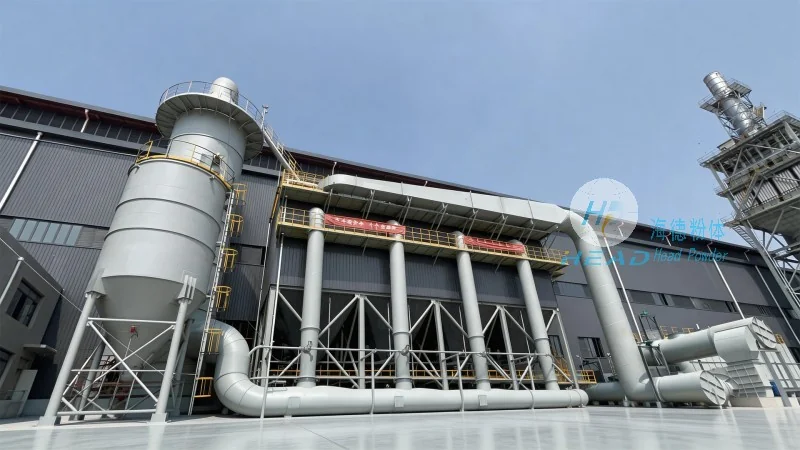
The effectiveness of a calcium oxide pneumatic conveying system is significantly influenced by the working scene characteristics, which include factors such as material properties, system layout, and operational requirements. HeadPowder's systems are designed to address these characteristics, ensuring reliable performance in diverse industrial settings.
Material Properties and Handling Challenges
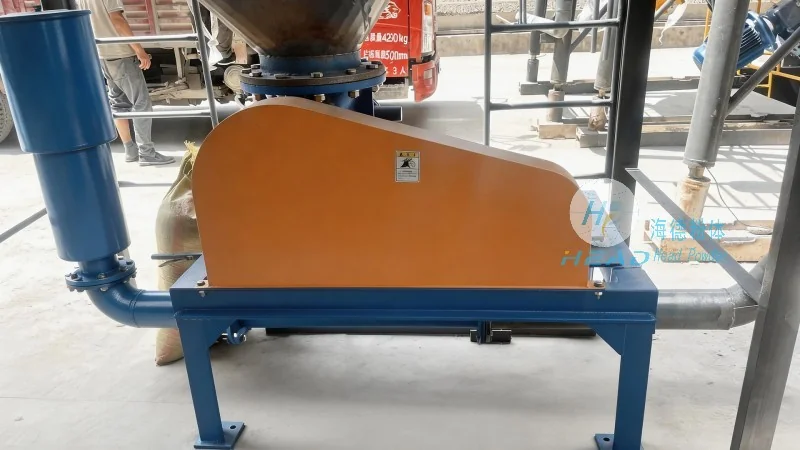
Calcium oxide is a fine, dry powder with specific properties that impact its handling. It is hygroscopic, meaning it readily absorbs moisture from the air, which can affect its flowability and reactivity. Additionally, the material is abrasive and can cause wear on system components if not handled properly. HeadPowder's pneumatic conveying systems are engineered with durable materials and advanced design features to mitigate these challenges. For instance, the use of high-quality stainless steel or specialized coatings on pipelines and components reduces wear and extends the system's lifespan. The system's design also considers the material's density and particle size distribution, ensuring efficient air-particle interaction and minimal blockages.
System Layout and Operational Flexibility
The layout of a calcium oxide pneumatic conveying system is tailored to the specific needs of the industrial facility. HeadPowder offers customized solutions that can accommodate various configurations, including horizontal, vertical, or combination layouts. Horizontal systems are suitable for short to medium-distance transport, while vertical systems are ideal for lifting materials to higher elevations. The flexibility of the system allows for integration with existing infrastructure, minimizing installation time and costs. Operational flexibility is also a key feature, as the system can be adjusted to handle varying material flow rates and pressure requirements. This adaptability ensures that the system can meet the changing demands of industrial processes without significant modifications.
Advantages of Calcium Oxide Pneumatic Conveying Systems
Implementing a pneumatic conveying system for calcium oxide offers several advantages over traditional methods like belt conveyors or manual handling. One of the primary benefits is the reduction in material loss and contamination. Pneumatic systems are enclosed, preventing dust and material spillage, which is critical for maintaining product purity and environmental compliance. Additionally, these systems are more energy-efficient compared to mechanical conveyors, as they use compressed air to move materials rather than mechanical components. The enclosed nature of the system also enhances safety by minimizing exposure to dust and reducing the risk of accidents. Furthermore, the system's ability to handle fine powders without segregation or degradation makes it ideal for applications where material quality is paramount.
Application Scenarios and Case Studies
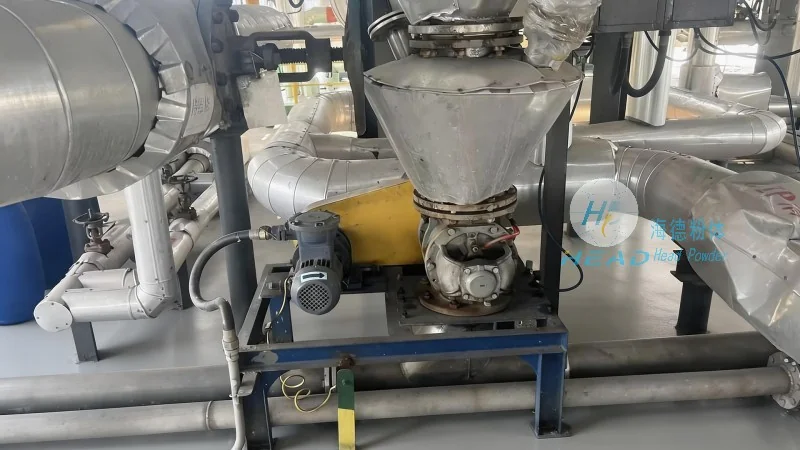
HeadPowder's calcium oxide pneumatic conveying systems have been successfully implemented in various industrial scenarios, demonstrating their versatility and reliability. For example, in a construction materials plant, the system efficiently transports calcium oxide from storage silos to mixing equipment, ensuring consistent material supply for concrete production. In a chemical processing facility, the system handles calcium oxide for flue gas desulfurization processes, where the material is used to neutralize acidic gases. These applications highlight the system's ability to operate in demanding environments and meet the specific requirements of different industries.
Conclusion and Future Considerations
Calcium oxide pneumatic conveying systems, as designed and implemented by HeadPowder, represent a sophisticated solution for the efficient and safe transport of this critical industrial material. By leveraging the principles of pneumatic conveying and incorporating advanced engineering, these systems address the unique challenges associated with calcium oxide handling. The working scene characteristics, including material properties and system layout, are carefully considered to ensure optimal performance. As industrial processes continue to evolve, the demand for reliable material handling solutions will remain high, and pneumatic conveying systems will continue to play a vital role in meeting these needs. HeadPowder remains committed to providing innovative and effective solutions that enhance operational efficiency and product quality for its clients.