Red mud, a byproduct of bauxite processing in the aluminum industry, poses significant handling challenges due to its high moisture content, abrasive nature, and potential environmental impact. Pneumatic conveying systems offer an efficient solution for transporting this material, and understanding their working principles and key features is crucial for selecting the right equipment for industrial applications. This article explores the fundamental mechanisms behind red mud pneumatic conveyors and highlights their distinct advantages in material handling. The information provided is based on the expertise of Shandong HeadPowder Engineering Co., Ltd., a leading manufacturer of industrial material handling equipment based in Shandong, China.
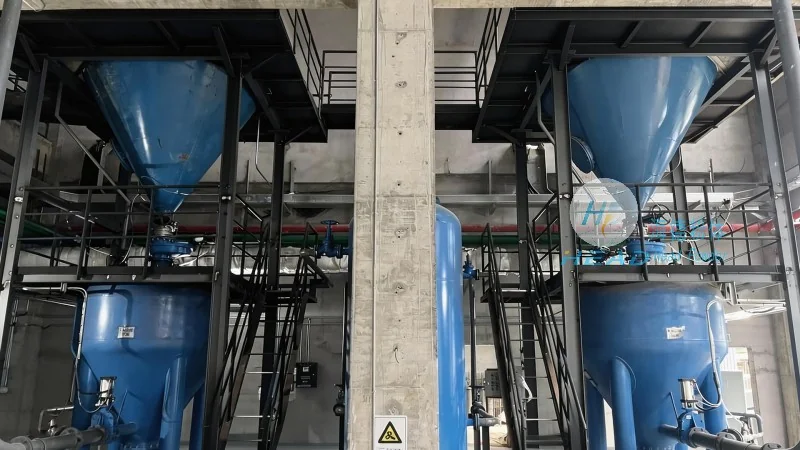
Working Principle of Red Mud Pneumatic Conveying Equipment
The core working principle of a red mud pneumatic conveyor involves the use of air pressure to transport solid particles through a pipeline. There are two primary types of pneumatic conveying systems: positive pressure and negative pressure. Positive pressure systems, also known as pressure or pressure-assisted conveyors, operate by blowing air into the pipeline at a higher pressure than the ambient air, pushing the material forward. In contrast, negative pressure systems, or vacuum conveyors, create a vacuum in the pipeline to draw material from the source. For red mud, which often requires high throughput and long-distance transport, positive pressure systems are commonly preferred due to their ability to handle larger particle sizes and higher material loads. The process typically begins with the material being fed into a hopper or feeder, where it is then mixed with air in a venturi or eductor. The air stream accelerates the material particles, creating a dense gas-solid mixture that flows through the pipeline to the discharge point. At the receiving end, the material is separated from the air using cyclones, filters, or other separation equipment, allowing for clean material discharge and air recirculation or exhaust.
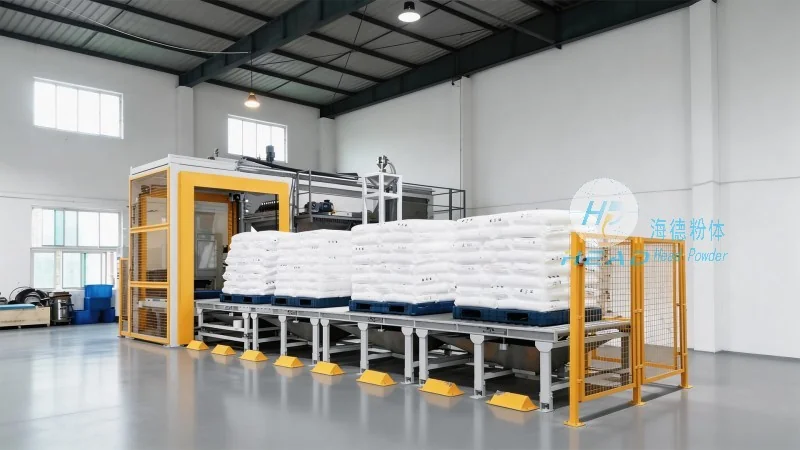
Key Features and Advantages of Red Mud Pneumatic Conveyors
Red mud pneumatic conveying equipment is designed with several key features that make it suitable for handling this challenging material. One of the most significant advantages is its ability to provide continuous, unattended operation, which is essential for industrial production lines. The system can handle a wide range of particle sizes, from fine powders to coarse granules, without the need for additional crushing or screening steps. This flexibility reduces processing time and equipment complexity. Another important feature is the system's ability to operate in a closed loop, minimizing dust emissions and environmental contamination. The use of air as the conveying medium eliminates the need for mechanical components like belts or buckets, which can be prone to wear and maintenance issues. Additionally, pneumatic conveyors can be easily integrated with other processing equipment, such as storage silos, mixers, or reactors, allowing for seamless material flow in production processes. The energy efficiency of these systems is also noteworthy, as they can achieve high material throughput with relatively low power consumption compared to traditional bulk handling methods. Furthermore, the compact design of pneumatic conveyors makes them suitable for installation in confined spaces, which is often a requirement in industrial facilities. These features collectively contribute to the effectiveness and reliability of red mud pneumatic conveying equipment in industrial applications.
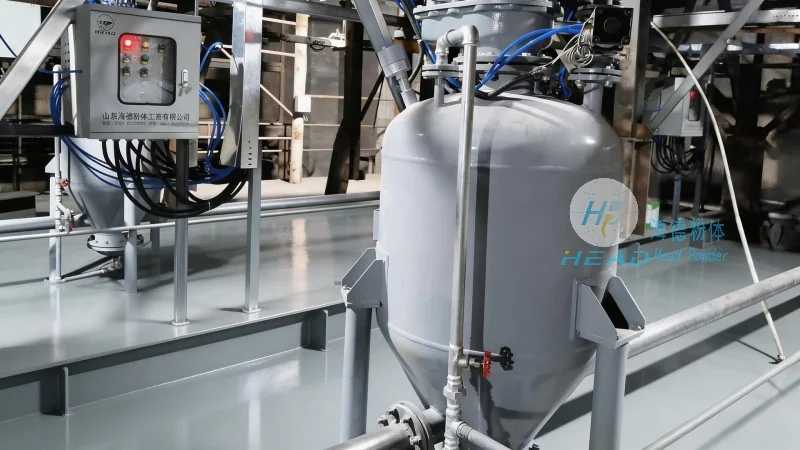
Applications and Considerations for Red Mud Handling
Red mud pneumatic conveyors are widely used in various industrial applications, including the transportation of red mud from processing plants to disposal sites or further processing facilities. The ability to transport material over long distances without the need for intermediate storage or transfer points makes these systems ideal for large-scale operations. In addition to transportation, pneumatic conveyors can be used for material feeding into reactors or mixers, ensuring a consistent and controlled supply of red mud for chemical processes. When selecting a pneumatic conveying system for red mud, several factors must be considered. The first is the material's properties, such as moisture content, particle size distribution, and abrasiveness, as these can affect the system's performance and lifespan. The second is the required throughput and distance of transport, which will determine the system's capacity and pressure requirements. The third is the environmental regulations and dust control requirements, which may dictate the need for a closed-loop system or additional filtration. Finally, the cost of installation, operation, and maintenance must be evaluated to ensure the system is economically viable for the application. By carefully considering these factors, industrial facilities can select the most appropriate pneumatic conveying equipment to handle red mud efficiently and safely.




