Dust handling and material transport are critical processes in various industrial sectors, including chemical, pharmaceutical, food processing, and mining. The efficiency and safety of dust conveying systems directly impact production continuity, product quality, and environmental compliance. Among the various methods available, pneumatic conveying stands out as a versatile and effective solution for transporting fine powders and granular materials. This article explores common dust conveying methods and highlights the advantages and features of HeadPowder's dust pneumatic conveying systems.
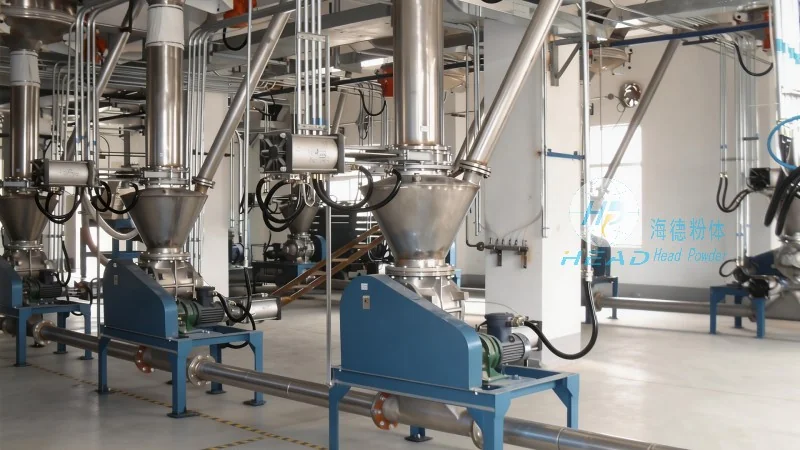
Common Dust Conveying Methods
Several dust conveying methods are employed in industrial applications, each with its own set of advantages and limitations. The choice of method depends on factors such as material properties, distance, volume, and environmental considerations.
1. Gravity Conveying: This method relies on the natural force of gravity to move materials from a higher to a lower elevation. It is typically used for short distances and low-volume applications. Gravity conveyors, such as chutes and hoppers, are simple in design and require minimal maintenance. However, they are limited by the slope required for effective material flow and are not suitable for long-distance or high-volume transport.
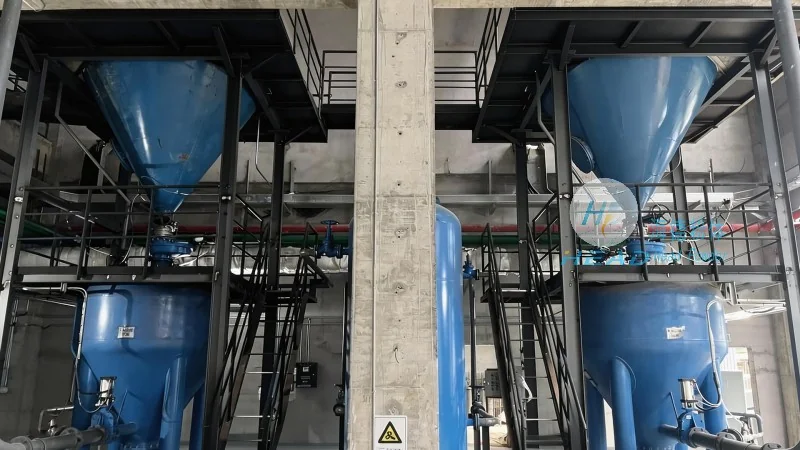
2. Mechanical Conveying: Mechanical systems, including belt conveyors, screw conveyors, and bucket elevators, use mechanical energy to transport materials. These systems are widely used in bulk material handling due to their reliability and ability to handle a wide range of materials. Belt conveyors are particularly effective for transporting bulk materials over long distances, while screw conveyors are suitable for handling dry, free-flowing powders. However, mechanical conveyors may cause material degradation, especially for fragile or heat-sensitive products, and require regular maintenance to prevent wear and tear.
3. Pneumatic Conveying: Pneumatic conveying uses compressed air or other gases to transport materials through a pipeline system. This method is highly flexible and can handle a wide variety of materials, including fine powders, granules, and even liquid-solid mixtures. Pneumatic systems are capable of transporting materials over long distances and at high velocities, making them ideal for applications where other methods are impractical. There are two main types of pneumatic conveying: pressure and vacuum systems. Pressure systems use compressed air to push material through the pipeline, while vacuum systems use suction to draw material into the system.
Advantages of HeadPowder's Dust Pneumatic Conveying Systems
HeadPowder, a leading manufacturer of dust handling equipment, offers advanced pneumatic conveying systems that address the challenges associated with traditional dust transport methods. The company's solutions are designed to enhance efficiency, improve safety, and ensure compliance with environmental regulations.
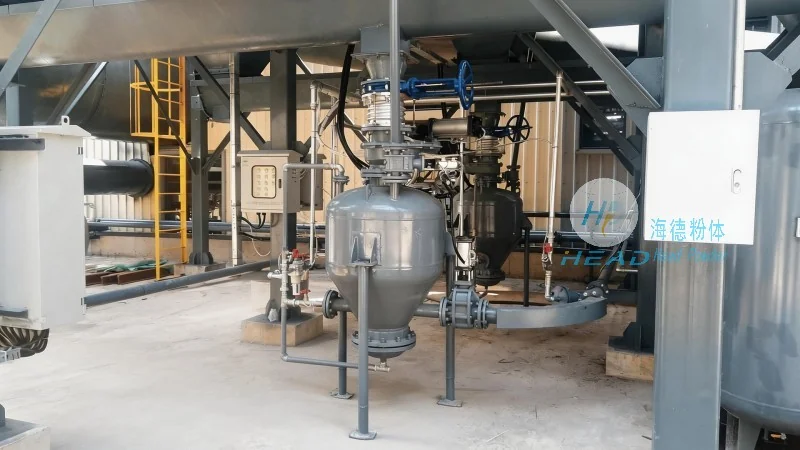
1. High Efficiency and Versatility: HeadPowder's pneumatic conveying systems are engineered to handle a wide range of dust types, including abrasive, corrosive, and sensitive materials. The systems are capable of transporting materials over long distances with minimal loss and degradation. The use of flexible hoses and adjustable velocity control allows for precise material handling, ensuring consistent product quality.
2. Enhanced Safety and Environmental Protection: Unlike mechanical conveyors, pneumatic systems eliminate the risk of material spillage and dust exposure, reducing the likelihood of workplace accidents and environmental contamination. The enclosed pipeline system also prevents dust from escaping into the atmosphere, improving air quality and meeting stringent environmental standards.
3. Low Maintenance and Durability: HeadPowder's systems are constructed with high-quality materials, such as stainless steel and corrosion-resistant alloys, to withstand the harsh conditions of dust handling. The design minimizes wear and tear, reducing the need for frequent maintenance and lowering operational costs. The modular construction of the systems allows for easy installation and maintenance, ensuring minimal downtime.
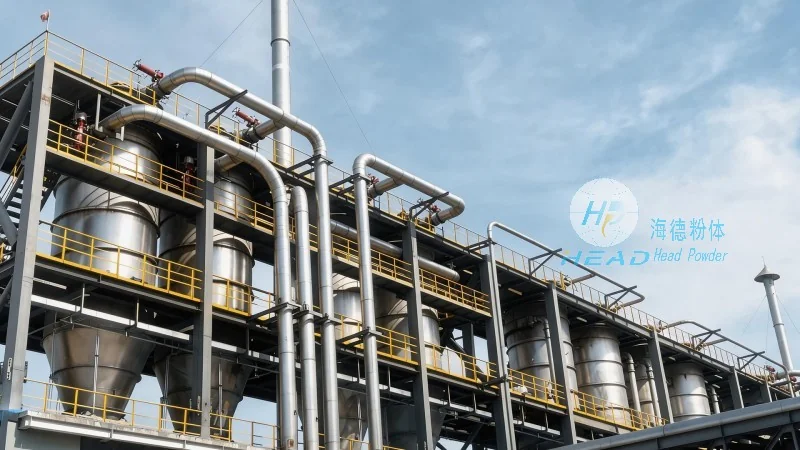
4. Customizable Solutions: HeadPowder provides tailored pneumatic conveying solutions to meet the specific needs of each customer. The company works closely with clients to understand their material characteristics, transport requirements, and operational constraints, and designs systems that optimize performance and efficiency. Whether for short-distance or long-distance transport, HeadPowder's systems can be customized to fit any application.
Conclusion
Choosing the right dust conveying method is crucial for industrial operations, as it directly impacts productivity, safety, and environmental compliance. While gravity and mechanical conveying methods have their uses, pneumatic conveying offers superior flexibility, efficiency, and safety. HeadPowder's dust pneumatic conveying systems provide a reliable and effective solution for handling fine powders and granular materials, with features that enhance performance, reduce maintenance, and protect the environment. By leveraging advanced technology and engineering expertise, HeadPowder continues to set the standard for dust handling solutions in the industry.




