

What is a Pneumatic Conveying System for Dry Sludge Materials? What are Its Design Principles?
Efficient and reliable material handling is a critical aspect of industrial operations, especially when dealing with dry sludge materials. A pneumatic conveying system for dry sludge materials offers a sophisticated solution to transport these materials over long distances or within complex processing facilities. This technology has become increasingly vital in sectors such as wastewater treatment, waste management, and industrial manufacturing, where the safe and efficient movement of dry sludge is essential for operational efficiency and environmental compliance.
Introduction to Dry Sludge Pneumatic Conveying Systems
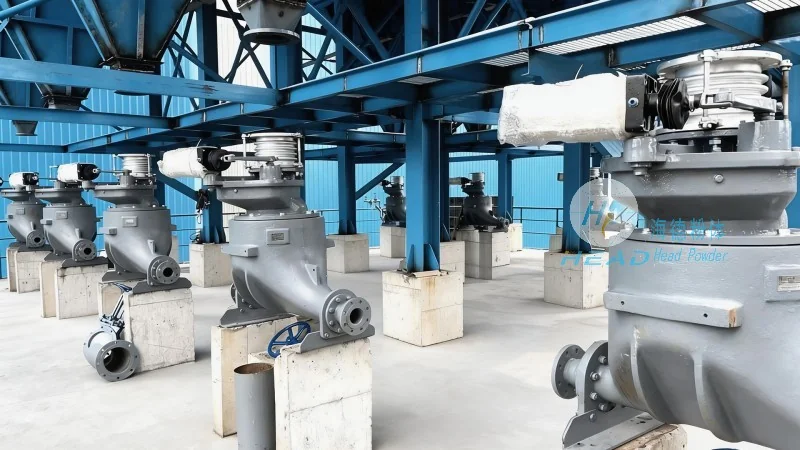
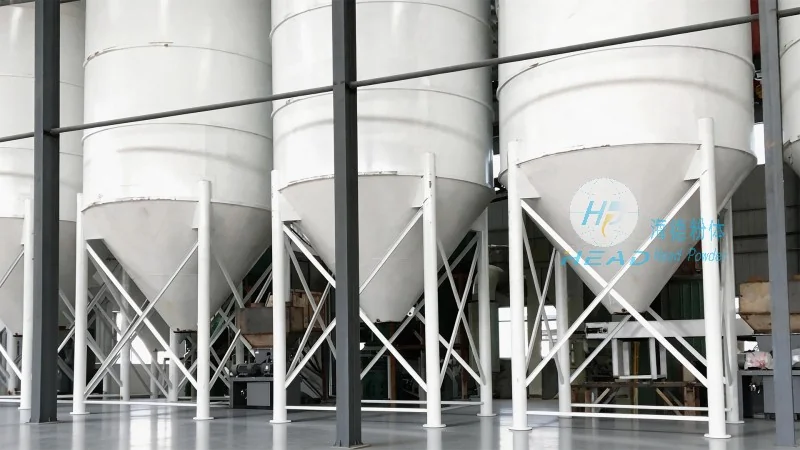
A pneumatic conveying system for dry sludge materials is a mechanical system that uses compressed air or other gas to transport dry sludge particles from a source to a destination. Unlike traditional methods like conveyor belts or trucks, pneumatic conveying systems provide a closed-loop, dust-free, and low-maintenance solution for handling dry sludge. The system typically consists of a hopper for material storage, a feeder to control the flow rate, a conveying line (usually made of metal or plastic pipes), and a receiver to collect the material at the end of the line. Compressed air is introduced into the system to create a flow that propels the dry sludge particles through the pipes.
About HeadPowder: Your Expert in Pneumatic Conveying Solutions
HeadPowder, or Shandong HeadPowder Engineering Co., Ltd., is a leading provider of advanced pneumatic conveying systems tailored for dry sludge applications. With a focus on innovation and precision engineering, HeadPowder has established itself as a trusted partner in the industry. The company is headquartered in Shandong, China, and specializes in designing, manufacturing, and installing customized pneumatic conveying solutions that meet the unique requirements of clients in wastewater treatment and waste management sectors. HeadPowder's commitment to quality and customer satisfaction has earned it a reputation for delivering reliable and efficient systems that enhance operational performance and reduce downtime.
Design Principles of Pneumatic Conveying Systems for Dry Sludge
The design of a pneumatic conveying system for dry sludge materials involves several key principles that ensure optimal performance and efficiency. The first principle is the selection of the appropriate conveying velocity, which is crucial for preventing material deposition and ensuring smooth flow. The velocity must be high enough to overcome the gravitational forces acting on the dry sludge particles but not so high as to cause excessive wear on the system components. HeadPowder engineers carefully calculate the conveying velocity based on the particle size, density, and flow rate of the dry sludge, using established formulas and industry standards.
Another critical design principle is the system's pressure and flow rate. The system operates under either positive pressure (where air is forced through the conveying line) or negative pressure (where air is drawn through the line). Positive pressure systems are more common for dry sludge applications as they provide better control over the material flow and reduce the risk of dust emissions. The pressure level is determined by the distance the dry sludge needs to travel and the system's resistance, which includes friction losses in the pipes and bends. HeadPowder's design team considers all these factors to ensure the system operates at the most efficient pressure range, minimizing energy consumption and maximizing material throughput.
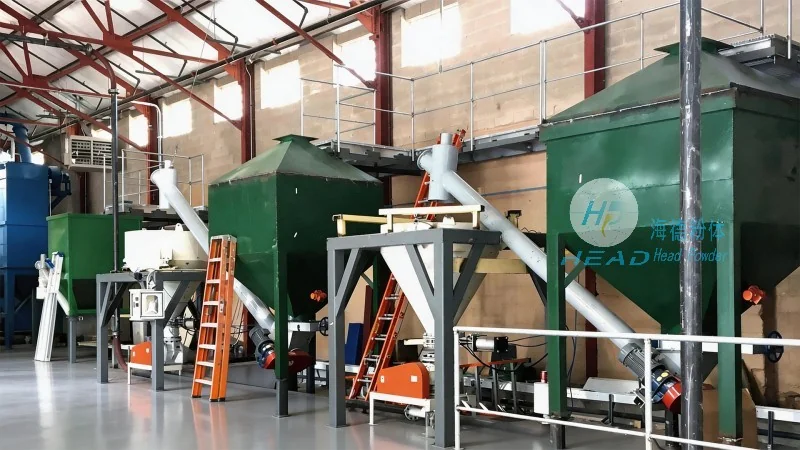
A third key design principle is the selection of the appropriate conveying line material and diameter. The dry sludge particles can be abrasive, and the conveying line must be able to withstand the wear and tear caused by the material. HeadPowder typically uses stainless steel or high-quality plastic pipes for its systems, depending on the specific application and the corrosiveness of the dry sludge. The diameter of the pipe is determined by the flow rate and the conveying velocity, ensuring that the system can handle the required amount of dry sludge without causing excessive pressure drops or material blockages. The use of smooth, non-porous materials in the pipe design also helps to prevent material buildup and maintain consistent flow.
Additionally, the design of the system's components, such as the feeder and receiver, plays a vital role in the overall performance. The feeder is responsible for controlling the flow rate of the dry sludge into the conveying line, and it must be able to handle the material's properties, such as its bulk density and flowability. HeadPowder uses advanced feeder technologies, such as rotary valves or screw feeders, to ensure a consistent and controlled flow of dry sludge. The receiver, on the other hand, is designed to collect the material at the end of the line and prevent dust emissions. It typically includes a dust collection system and a discharge mechanism that allows for easy removal of the dry sludge.
Advantages of Pneumatic Conveying Systems for Dry Sludge
Implementing a pneumatic conveying system for dry sludge materials offers several advantages over traditional handling methods. One of the primary benefits is the ability to transport dry sludge over long distances without the need for intermediate storage or handling. This reduces the risk of material contamination and improves operational efficiency. The closed-loop design of the system also minimizes dust emissions, contributing to a cleaner and safer working environment. Additionally, pneumatic conveying systems are more flexible than traditional methods, as they can be easily reconfigured to accommodate changes in the processing layout or to handle different types of dry sludge.
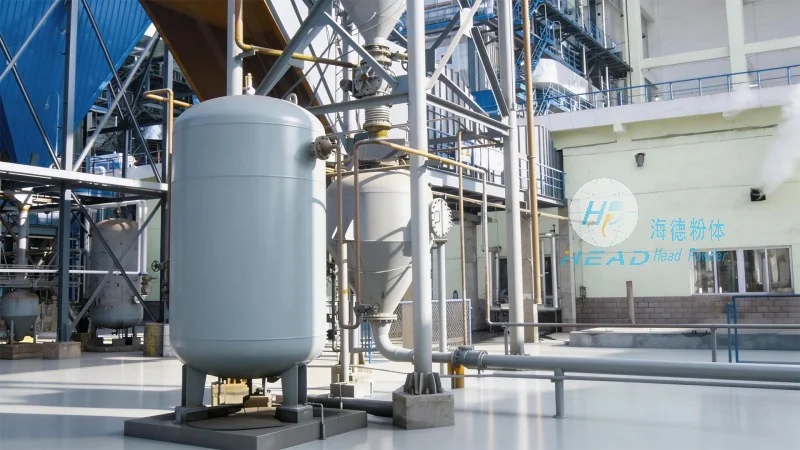
Another advantage is the reduced maintenance requirements of pneumatic conveying systems. Unlike conveyor belts, which require regular cleaning and maintenance to prevent material buildup and wear, pneumatic systems have fewer moving parts and are less prone to mechanical failure. HeadPowder's systems are designed with durability and low maintenance in mind, using high-quality components and materials that can withstand the harsh conditions of dry sludge handling. This results in lower operational costs and increased system reliability over the long term.
Furthermore, pneumatic conveying systems for dry sludge are more energy-efficient compared to other methods. The use of compressed air to transport the material allows for a more direct and efficient transfer of energy, reducing the overall energy consumption of the system. HeadPowder's engineers optimize the system's design to minimize energy losses, ensuring that the system operates at the most efficient level possible. This not only reduces operational costs but also contributes to a more sustainable and environmentally friendly operation.