

What is a Micropowder Material Pneumatic Conveying System? And What Are Its Design Principles?
For industries dealing with fine powders, efficient material handling is crucial. A micropowder material pneumatic conveying system offers a solution to transport these materials with precision and reliability. This article explores the concept of such a system and its underlying design principles, providing insights into how it operates and why it is essential in modern industrial applications.
Understanding Micropowder Material Pneumatic Conveying Systems
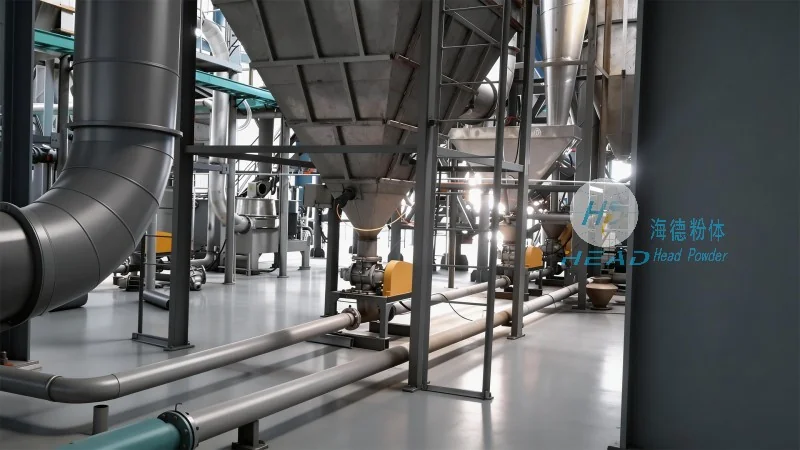
A micropowder material pneumatic conveying system is a technology used to transport fine powders through a pipeline using air or other gases as the conveying medium. Unlike traditional mechanical conveying methods, this system relies on the force of air to move the material, making it particularly suitable for materials that are difficult to handle with conventional equipment. The system typically consists of a hopper, a feeder, a conveying line, and a receiver, all working in tandem to ensure smooth material transport.
The Core Components of the System
At the heart of a micropowder material pneumatic conveying system are several key components that work together to achieve efficient material transport. The hopper serves as the storage container for the powder, ensuring a consistent feed. The feeder, often a rotary valve or a screw feeder, regulates the flow of material into the conveying line. The conveying line, usually made of stainless steel or other corrosion-resistant materials, is where the air and powder mixture travels. The receiver collects the material at the end of the line, separating it from the air. Additionally, the system may include a filter and a dust collector to manage air quality and prevent dust emissions.
Design Principles and Operational Mechanics
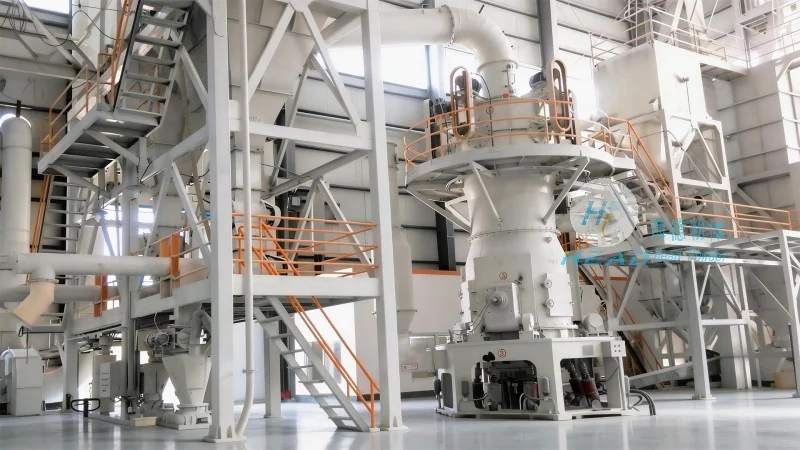
The design principles of a micropowder material pneumatic conveying system are centered on creating a stable and efficient flow of material within the conveying line. The system operates on the principle of creating a pressure differential between the inlet and outlet of the line. By introducing air at a controlled rate into the hopper, the material is entrained and carried along the pipeline. The velocity of the air and the size of the particles are critical factors in determining the system's performance. Proper design ensures that the air velocity is sufficient to lift and transport the powder without causing excessive wear or energy consumption.
Advantages of Using Micropowder Material Pneumatic Conveying Systems
Implementing a micropowder material pneumatic conveying system offers several advantages for industrial applications. One of the primary benefits is the ability to handle materials that are difficult to convey with mechanical systems, such as those that are abrasive, sticky, or prone to caking. The system also provides a closed-loop operation, minimizing dust emissions and improving safety in the workplace. Additionally, it allows for precise control over the material flow rate, ensuring consistent product quality. The system's flexibility in terms of layout and integration with other equipment makes it a versatile solution for various industrial processes.
Applications in Different Industries
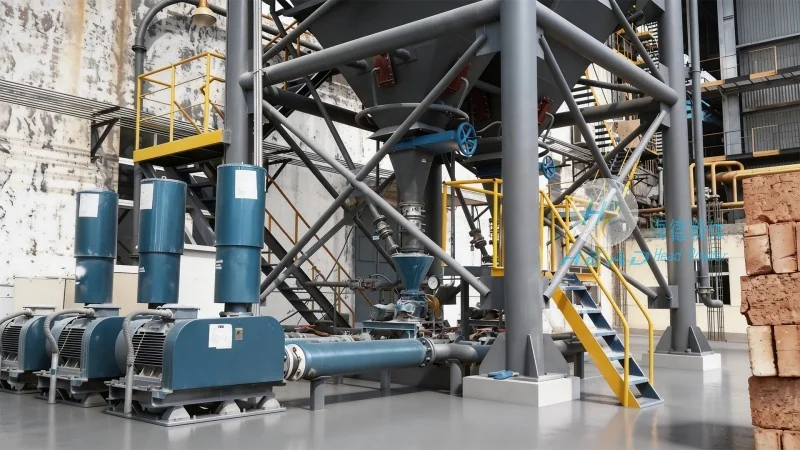
Micropowder material pneumatic conveying systems are widely used across various industries due to their adaptability and efficiency. In the pharmaceutical industry, they are used to transport active pharmaceutical ingredients (APIs) and other fine powders with high purity requirements. In the food industry, they handle ingredients like sugar, flour, and spices, ensuring hygiene and preventing contamination. The chemical industry utilizes these systems for transporting powders like pigments, catalysts, and other chemical compounds. In the cement and construction sectors, they are employed to move raw materials and finished products. The versatility of the system makes it a valuable asset in any industry that relies on fine powders.
Conclusion
A micropowder material pneumatic conveying system is a sophisticated and efficient solution for handling fine powders in industrial settings. By understanding its core components and design principles, industries can leverage this technology to improve their material handling processes, enhance product quality, and ensure operational safety. As a leading provider in this field, Shandong HeadPowder Engineering Co., Ltd. specializes in designing and manufacturing such systems, offering tailored solutions to meet the specific needs of various industries. With a focus on precision, reliability, and innovation, the company ensures that its systems deliver optimal performance and contribute to the success of its clients' operations.