

What is a PTA Material Pneumatic Conveying System? And What Are Its Design Principles?
Welcome to the world of industrial material handling, where efficiency and precision are paramount. In the realm of polymer production, particularly in the processing of PTA (Paraxylene Terephthalic Acid) materials, the pneumatic conveying system stands as a critical technology for transporting bulk materials with high reliability and low maintenance costs. This article delves into the essence of PTA material pneumatic conveying systems, exploring their design principles and the key factors that make them indispensable in modern manufacturing processes.
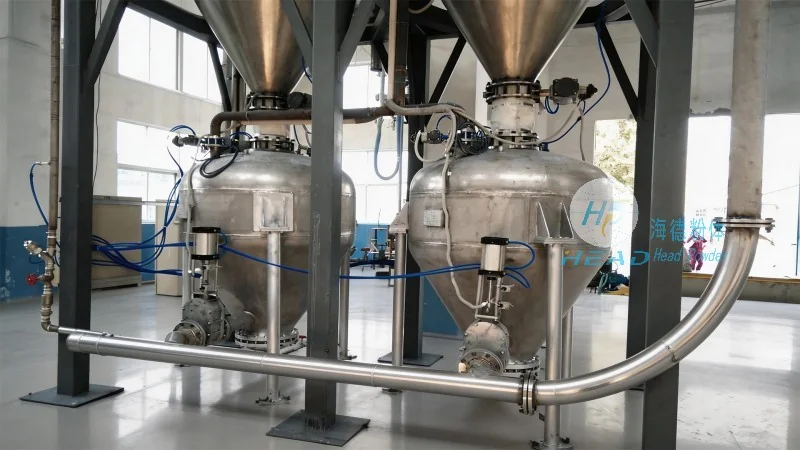
What is a PTA Material Pneumatic Conveying System?
A PTA material pneumatic conveying system is a mechanical device designed to transport solid particles, such as PTA crystals or powders, through a pipeline using a gas stream. This system is widely used in the chemical and petrochemical industries, especially in the production and handling of PTA, which is a key raw material for polyester fibers and resins. The core function of this system is to move PTA from one location to another within a plant, such as from a storage silo to a reactor or from a reactor to a filtration unit, while maintaining the material's integrity and minimizing contamination.
Design Principles of PTA Material Pneumatic Conveying Systems
The design of a PTA material pneumatic conveying system is governed by several fundamental principles that ensure optimal performance and safety. The primary design principle is the selection of the appropriate conveying method, which can be categorized into two main types: pressure and vacuum systems. Pressure systems use compressed air or gas to push the material through the pipeline, while vacuum systems use a vacuum to draw the material into the pipeline. For PTA materials, which are often abrasive and have specific flow characteristics, the choice of conveying method depends on factors like the distance to be covered, the material's density, and the required flow rate.
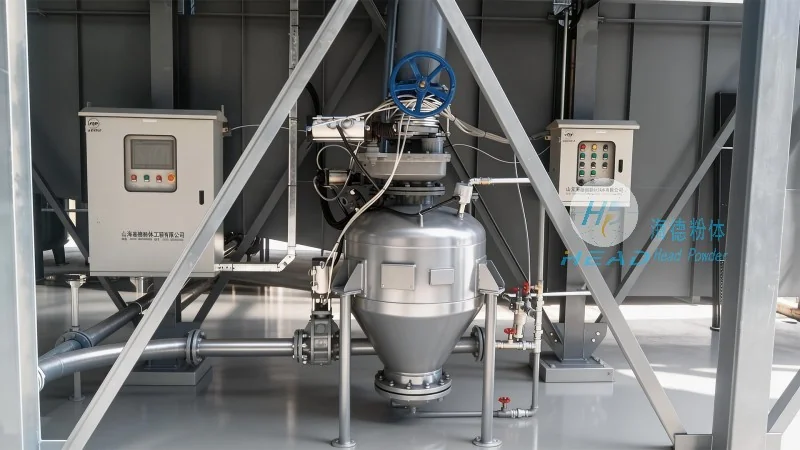
Another critical design principle is the selection of the right components, including the feeder, the pipeline, the separation equipment, and the control system. The feeder is responsible for feeding the PTA material into the pipeline at a consistent rate, which is crucial for maintaining a stable flow. The feeder must be designed to handle the specific characteristics of PTA, such as its particle size, moisture content, and flowability. The pipeline must be constructed from materials that are resistant to corrosion and wear, such as stainless steel or special alloys, to ensure durability and prevent contamination. The separation equipment, such as cyclones or filters, is used to separate the PTA material from the conveying gas and return the gas to the system for reuse. The control system monitors and regulates the operation of the system, ensuring that it operates within safe and efficient parameters.
Key Components and Their Functions
The PTA material pneumatic conveying system consists of several key components, each playing a vital role in the overall operation. The feeder, typically a rotary valve or a screw feeder, is responsible for feeding the PTA material into the pipeline at a controlled rate. The feeder must be designed to handle the specific characteristics of PTA, such as its particle size, moisture content, and flowability. The pipeline is the main conduit for transporting the PTA material, and it must be constructed from materials that are resistant to corrosion and wear. The pipeline is usually made of stainless steel or other corrosion-resistant materials, and it is often equipped with bends and elbows to change the direction of the material flow.
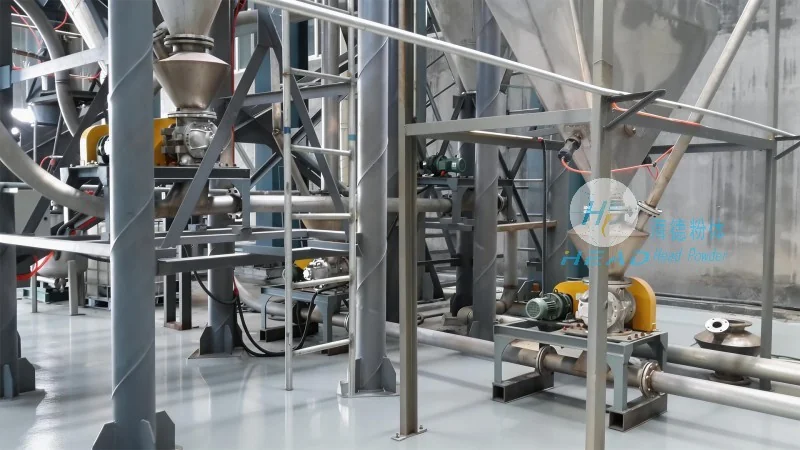
The separation equipment, such as cyclones or filters, is used to separate the PTA material from the conveying gas. The separation process is critical for maintaining the purity of the PTA material and preventing the gas from being contaminated. The cyclone separator uses centrifugal force to separate the material from the gas, while the filter uses a porous medium to trap the particles. The control system monitors the pressure, flow rate, and temperature of the system, and it adjusts the operation of the feeder and the separation equipment as needed. The control system also includes safety features, such as pressure relief valves and emergency shut-off valves, to prevent accidents and ensure the safety of the operators.
Application in the PTA Industry
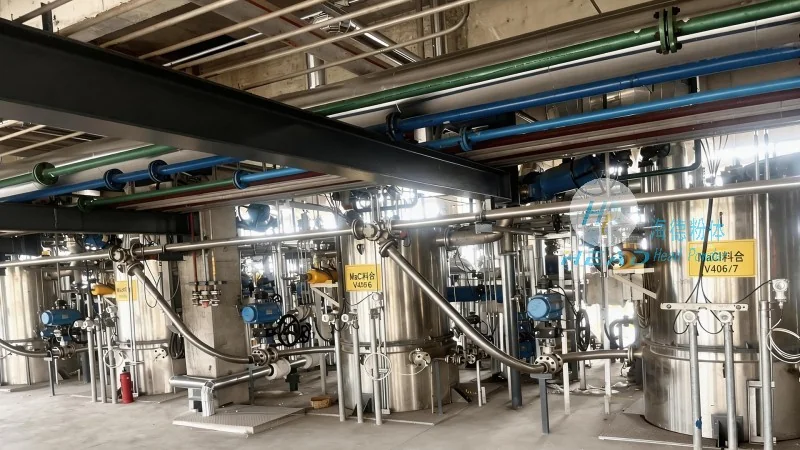
In the PTA industry, the pneumatic conveying system is used in various stages of the production process. For example, it can be used to transport PTA from a storage silo to a reactor, or from a reactor to a filtration unit. The system can also be used to transport PTA from a reactor to a packaging unit, or from a packaging unit to a storage silo. The PTA material is often in the form of crystals or powders, and the pneumatic conveying system is designed to handle these materials efficiently and safely. The system is also used to transport other materials, such as additives or catalysts, which are used in the PTA production process.
About Shandong HeadPowder Engineering Co., Ltd.
Shandong HeadPowder Engineering Co., Ltd., commonly known as HeadPowder, is a leading manufacturer and supplier of industrial material handling equipment, including pneumatic conveying systems. HeadPowder is headquartered in Shandong, China, and has a strong reputation for providing high-quality, reliable, and cost-effective solutions for the chemical and petrochemical industries. The company has a team of experienced engineers and technicians who specialize in the design and manufacturing of pneumatic conveying systems, and they are committed to providing excellent customer service and support. HeadPowder's products are widely used in various industries, including the PTA industry, and the company is dedicated to meeting the evolving needs of its customers.