HeadPowder, a leading provider of agricultural and industrial conveying solutions, specializes in developing efficient systems for handling corn stalks. With a focus on innovation and customer-centric design, the company offers advanced pneumatic conveying systems that address the unique challenges of corn stalk transportation. This article explores the various conveying methods available and highlights the advantages of pneumatic conveying, with a particular emphasis on the solutions provided by Shandong HeadPowder Engineering Co., Ltd.
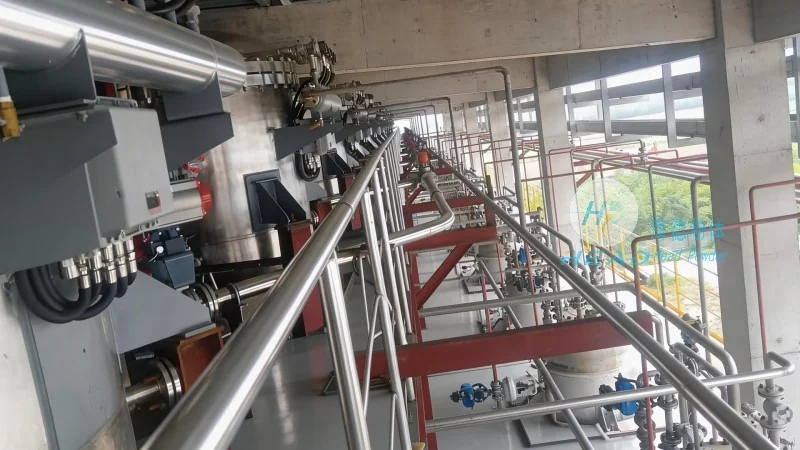
Overview of Corn Stalk Conveying Methods
When it comes to handling and transporting corn stalks, selecting the right conveying method is crucial for efficiency and operational effectiveness. Various options are available, each with its own set of characteristics and applications. Understanding these methods helps in making informed decisions based on specific operational needs, such as material handling capacity, distance, and environmental considerations.
Different Conveying Methods for Corn Stalks
Traditional and modern approaches to corn stalk transportation include mechanical systems like belt conveyors, screw conveyors, and manual handling. However, with advancements in technology, pneumatic conveying has emerged as a preferred solution for many agricultural and industrial applications. Each method has its strengths and limitations, which are critical to consider when planning a corn stalk handling system.
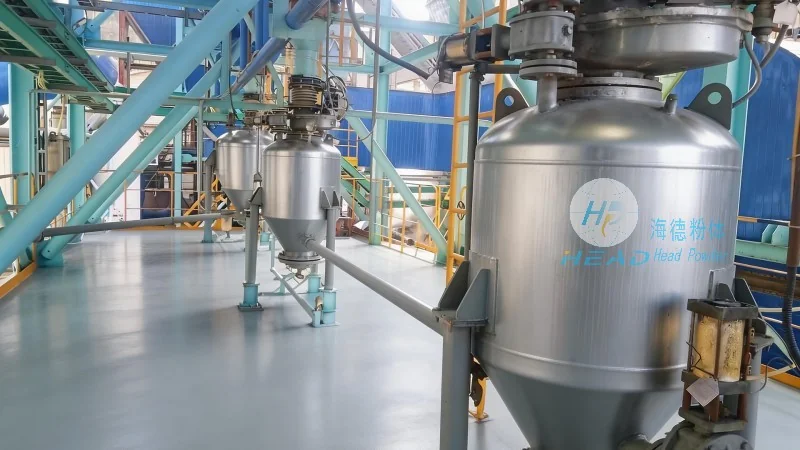
Introduction to Corn Stalk Pneumatic Conveying
Pneumatic conveying, also known as air conveying, utilizes air pressure or vacuum to transport materials through a pipeline. This method is particularly effective for corn stalks due to its ability to handle bulk materials over long distances with minimal maintenance and low energy consumption. The system typically consists of a hopper, a blower, and a pipeline network, which work together to move the material from the source to the destination.
Advantages of Corn Stalk Pneumatic Conveying
One of the key advantages of pneumatic conveying for corn stalks is its high efficiency in material transport. Unlike mechanical systems that may suffer from blockages or wear and tear, pneumatic systems can handle a wide range of particle sizes and moisture content without compromising performance. This makes them ideal for processing corn stalks that are often irregular in shape and size.
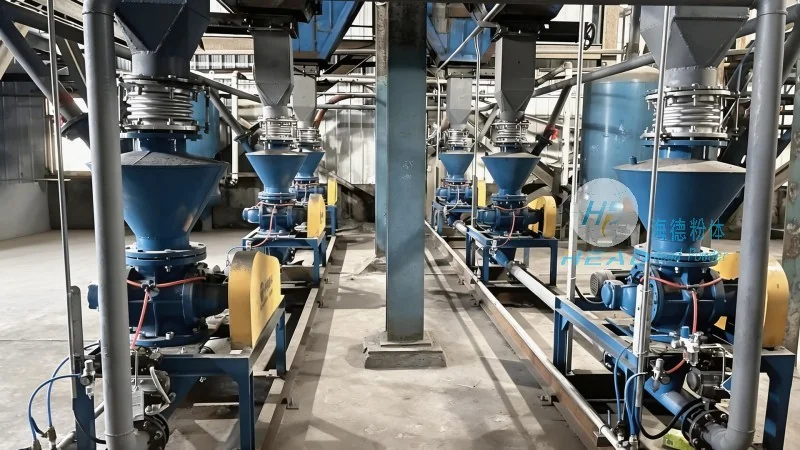
Another significant benefit is the reduced labor and operational costs associated with pneumatic conveying. By automating the transport process, businesses can minimize manual handling, which not only improves safety but also enhances productivity. The system's ability to operate continuously with minimal downtime further contributes to cost savings and increased output.
Key Features of the Pneumatic Conveying System
The corn stalk pneumatic conveying system developed by Shandong HeadPowder Engineering Co., Ltd. incorporates several advanced features that enhance its performance and reliability. These include adjustable air pressure controls, which allow for precise material flow regulation, and durable pipeline materials designed to withstand the abrasive nature of corn stalks. The system also features easy maintenance components, such as replaceable filters and blower parts, ensuring long-term operational stability.
Additionally, the system is equipped with safety mechanisms, including pressure relief valves and overload protection, which safeguard both the equipment and the operators. This attention to safety and durability is a hallmark of the solutions provided by HeadPowder, a company known for its commitment to quality and customer satisfaction.
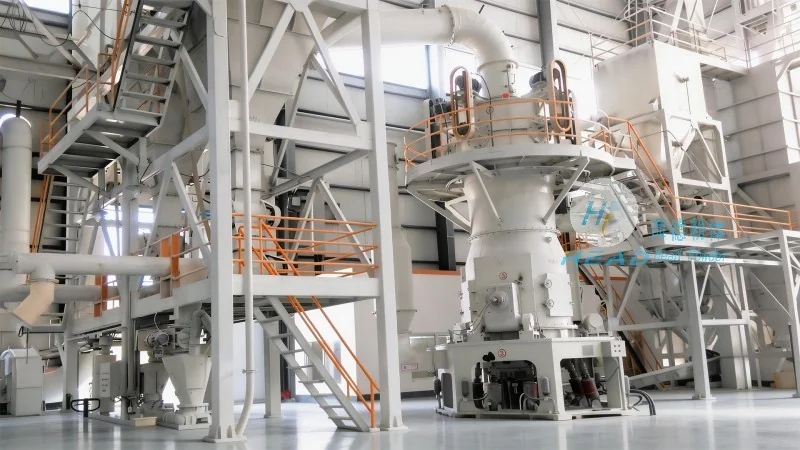
Application Scenarios and Operational Benefits
The versatility of the corn stalk pneumatic conveying system makes it suitable for various applications, from on-farm storage and processing to industrial biomass energy production. In on-farm settings, the system can efficiently transport harvested corn stalks from the field to storage silos or processing facilities, reducing the time and labor required for manual handling. For industrial use, the system can feed biomass boilers or biogas plants with a consistent flow of corn stalks, ensuring stable energy production.
Operational benefits extend beyond efficiency and cost savings. The system's ability to handle large volumes of material in a compact footprint makes it ideal for spaces with limited room. This is particularly advantageous in agricultural settings where land is at a premium. Furthermore, the system's low noise operation contributes to a more pleasant working environment, reducing the impact on nearby communities.




