

What is a Soybean Meal Material Handling System and Its Design Principles?
When it comes to the efficient processing of soybean meal in industrial settings, a specialized material handling system plays a crucial role. This system is designed to manage the flow of soybean meal from processing stages to storage or packaging, ensuring optimal performance and safety. Understanding the components and design principles behind such a system is essential for businesses in the agricultural and food processing sectors.
Introduction to Soybean Meal Material Handling Systems
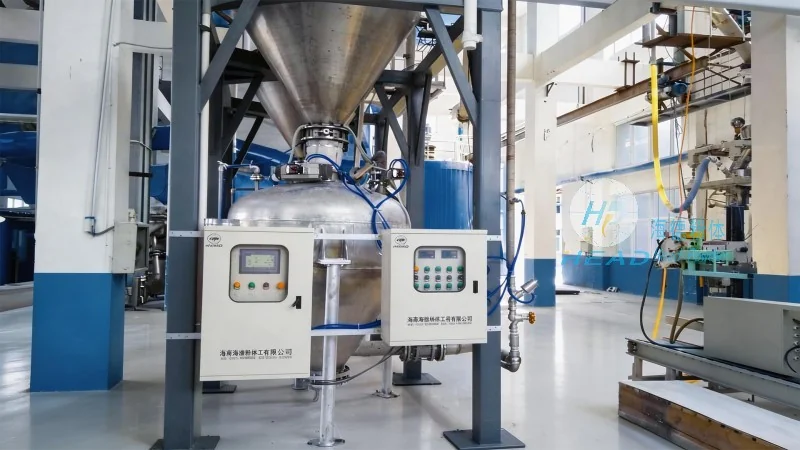
A soybean meal material handling system is a comprehensive setup engineered to handle, transport, and store soybean meal—a byproduct of soybean oil extraction. This system is integral to the overall production workflow, as it directly impacts the efficiency, cost-effectiveness, and quality control of the final product. The system typically integrates various equipment such as conveyors, hoppers, and storage silos, all working in tandem to ensure smooth material movement.
Key Components of the Material Handling System
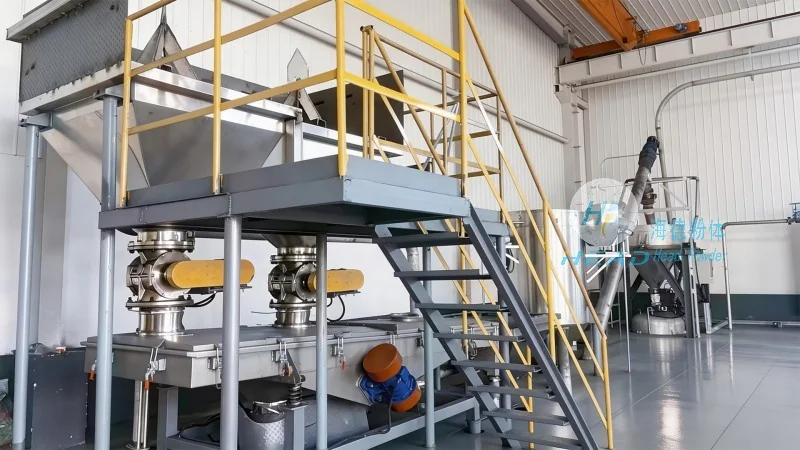
The core components of a soybean meal material handling system include: 1. Conveyors: These are the primary means of transporting soybean meal. Options range from belt conveyors for horizontal transport to bucket elevators for vertical lifting. 2. Hoppers and Bins: These containers are used for collecting and storing the meal before it is moved to the next stage. They are designed to handle the bulk density and flow characteristics of soybean meal. 3. Control Systems: Modern systems incorporate automation and control panels to monitor and regulate the flow of material, ensuring consistent operation and preventing blockages or overfilling. 4. Feeding Equipment: Devices like rotary valves or screw feeders are used to regulate the discharge of soybean meal from hoppers to conveyors or packaging machines.
Design Principles for Optimal Performance
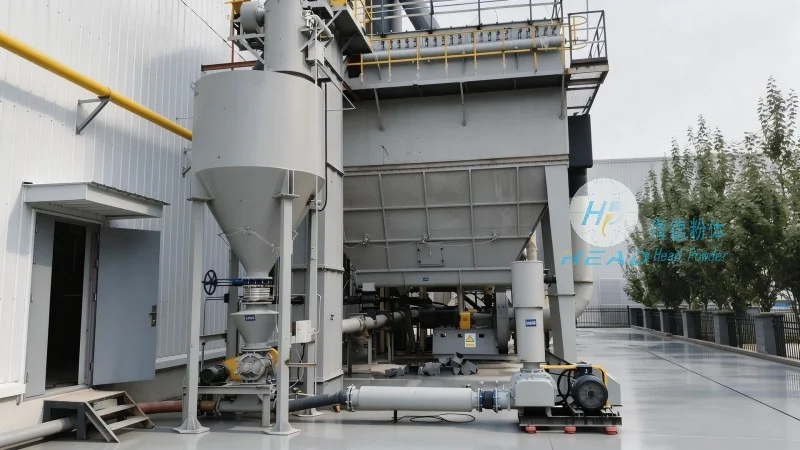
The design of a soybean meal material handling system follows several key principles to ensure reliability and efficiency. First, material flow optimization is critical. The system is engineered to minimize friction and resistance, allowing for smooth movement of the meal. This involves selecting appropriate conveyor types and ensuring proper slope and speed settings. Second, hygiene and sanitation are paramount in food processing applications. The system is constructed from materials that are easy to clean and resistant to corrosion, such as stainless steel. Third, space efficiency is considered, especially in industrial facilities where floor space is limited. The design may incorporate compact equipment and vertical lifting mechanisms to maximize the use of available space. Fourth, safety features are integrated to protect operators and prevent accidents, including emergency stop buttons and protective guards around moving parts.
Role of Shandong HeadPowder Engineering Co., Ltd.
Shandong HeadPowder Engineering Co., Ltd., commonly known as HeadPowder, is a leading manufacturer specializing in material handling systems for the agricultural and food processing industries. With years of experience and expertise, HeadPowder designs and manufactures customized solutions tailored to the specific needs of clients. The company’s systems are built with high-quality materials and advanced technology, ensuring durability, efficiency, and compliance with industry standards. HeadPowder’s commitment to innovation and customer satisfaction has made it a trusted partner for businesses seeking reliable soybean meal handling solutions.
Conclusion
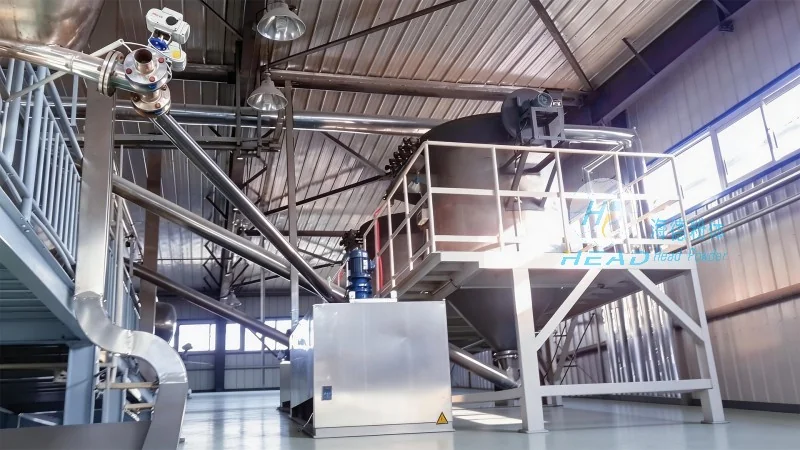
In conclusion, a soybean meal material handling system is a vital component of modern soybean processing operations. Its design, incorporating efficient components and adherence to key principles, ensures optimal performance and safety. Companies like Shandong HeadPowder Engineering Co., Ltd. play a crucial role in providing these systems, helping businesses streamline their processes and enhance productivity. By understanding the design principles and components of such a system, industries can make informed decisions to improve their operations and meet market demands.