Pneumatic conveying systems have become a cornerstone in industrial material handling, offering efficient and reliable methods for transporting bulk materials like catalysts. This article provides an overview of how these systems operate and their significance in modern industrial processes, with a focus on the specific application of catalyst handling.
The Core Components and Working Principle of Pneumatic Conveying
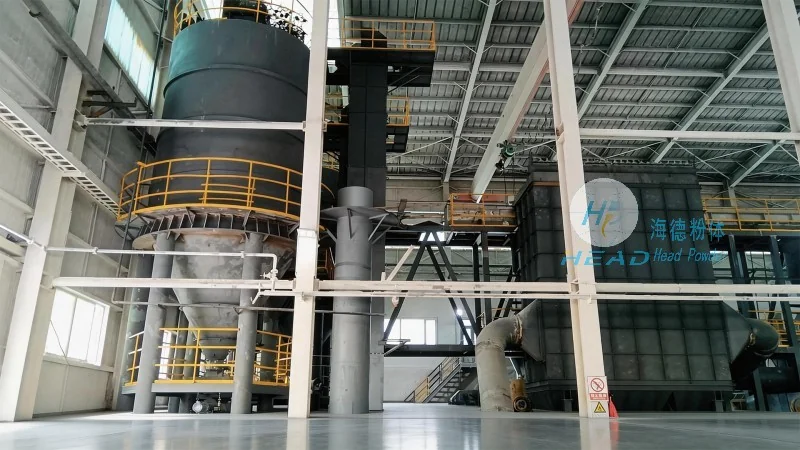
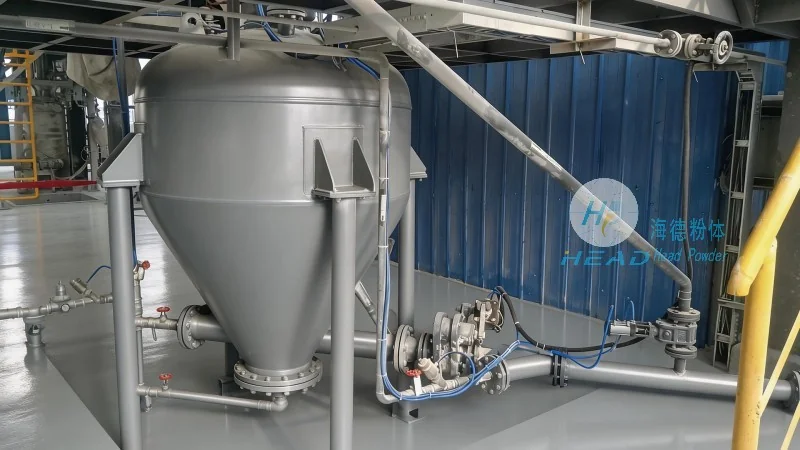
At the heart of any pneumatic conveying system are several key components that work in tandem to move materials through a pipeline. The primary elements include a material feed hopper, a conveying line (often equipped with a venturi or rotary airlock), a dust collector or filter system, and a discharge outlet. The process begins when the material is introduced into the hopper, where it is then drawn into the conveying line by a high-velocity air stream generated by a blower or compressor.
The air stream, typically at pressures ranging from low to high (depending on the system design), creates a pressure differential that propels the material particles forward. As the material travels through the pipeline, it may encounter various components such as bends, expansions, or even a cyclone separator to separate the material from the air. The air is then filtered and returned to the system, while the material is discharged at the end of the line.
Pneumatic Conveying for Catalyst Handling: Challenges and Solutions
Handling catalysts, which are often sensitive and valuable materials, requires specialized pneumatic conveying systems to ensure minimal degradation and loss. Catalysts, used in processes like petrochemical refining and chemical synthesis, need to be transported without contamination or degradation. The headpowder company, with its expertise in engineering such systems, addresses these challenges through tailored solutions.
For instance, headpowder designs systems that use low-pressure, dense-phase conveying for catalysts. This method involves injecting air at a controlled rate into the material stream, creating a slow-moving, high-density flow that minimizes particle attrition and prevents agglomeration. The company’s engineers also incorporate features like temperature control and moisture management to further protect the catalyst's integrity during transport.
HeadPowder Engineering: A Leader in Pneumatic Conveying Solutions
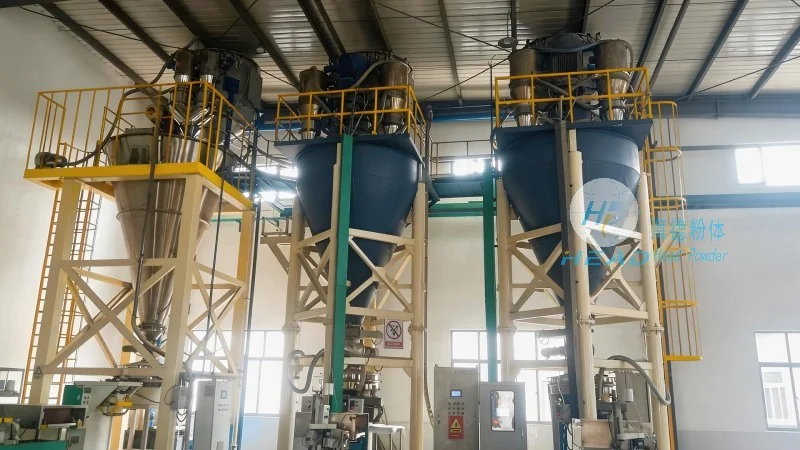
Shandong HeadPowder Engineering Co., Ltd., commonly known as headpowder, is a prominent player in the field of industrial material handling systems. Based in Shandong, China, the company specializes in designing, manufacturing, and implementing pneumatic conveying solutions tailored to the unique needs of various industries, including chemical, petrochemical, and pharmaceutical sectors.
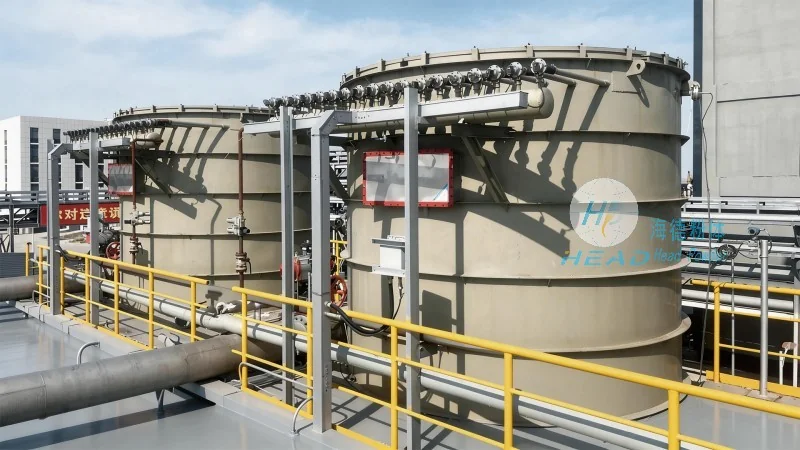
With a focus on innovation and customer satisfaction, headpowder leverages advanced engineering principles to develop systems that enhance efficiency, reduce downtime, and ensure the safe handling of critical materials like catalysts. The company's team of experienced engineers and technicians work closely with clients to understand their specific requirements, from material characteristics to operational constraints, and design customized solutions that meet or exceed industry standards.
Headpowder's commitment to quality and reliability is evident in its adherence to international standards and rigorous testing protocols. The company's systems are built to withstand the demands of continuous operation and are backed by comprehensive after-sales support, including maintenance, spare parts, and technical assistance. This ensures that clients can rely on their pneumatic conveying systems for long-term performance and minimal operational disruptions.




