

The Role of Pneumatic Conveying in Polyacrylamide Transport
Shandong HeadPowder Engineering Co., Ltd., commonly known as headpowder, is a professional enterprise dedicated to the research, development, and application of polyacrylamide and related technologies. With a focus on providing efficient and reliable material handling solutions, the company has established itself as a key player in the chemical processing industry, particularly in the field of polymer transport and processing. HeadPowder's operations are based in Shandong, China, where the company leverages local resources and expertise to deliver high-quality products and services tailored to the needs of various industrial sectors.
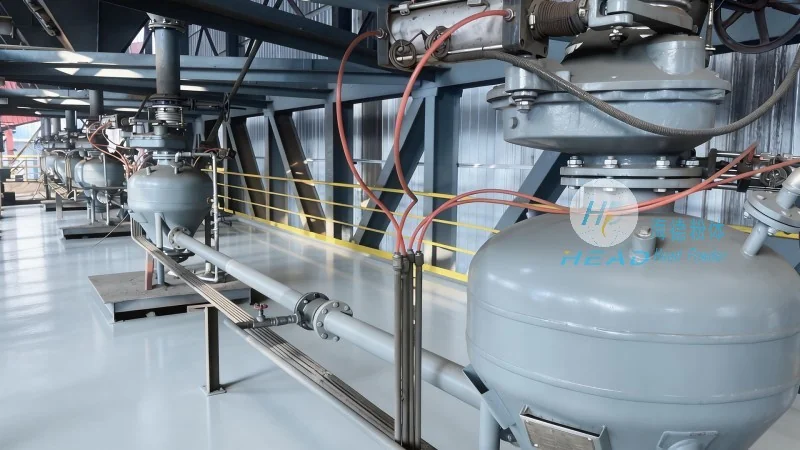
Polyacrylamide: An Overview
Polyacrylamide (PAM) is a widely used anionic or cationic polymer in water treatment and industrial processes. Its unique properties, such as high molecular weight and strong flocculation capabilities, make it essential for applications like sludge dewatering, wastewater treatment, and soil stabilization. However, the handling and transportation of PAM present unique challenges due to its hygroscopic nature and the need for precise control over its dispersion and application. Traditional methods like bulk storage and manual handling often lead to inefficiencies and potential product degradation, highlighting the need for advanced transport technologies.
Pneumatic Conveying: A Technical Overview
Pneumatic conveying, also known as air conveying, is a method of transporting bulk materials through a pipeline using air or other gases. This technology offers a non-contact, low-maintenance, and flexible approach to material movement, making it suitable for a wide range of applications, including the transport of powders and granules. The system typically consists of a hopper, a blower or compressor, a pipeline, and a discharge device. By creating a pressure differential, air is forced through the pipeline, carrying the material from the source to the destination. This process allows for the safe and efficient movement of materials without the need for mechanical components like conveyors or elevators.
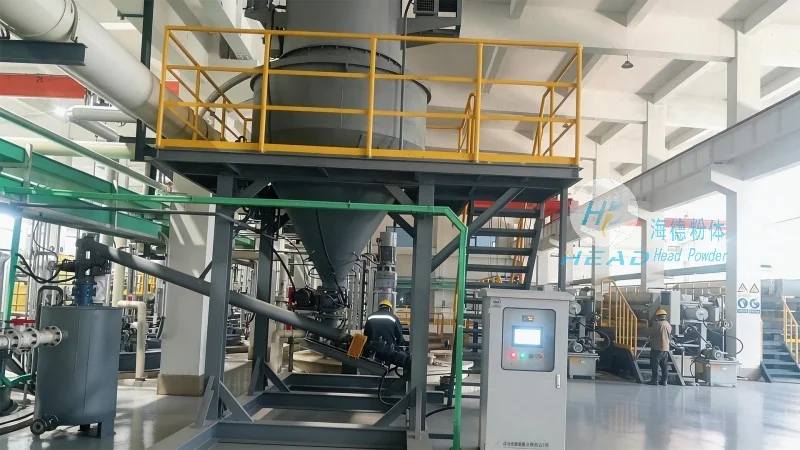
Application of Pneumatic Conveying in Polyacrylamide Transport
For polyacrylamide, pneumatic conveying provides several advantages over traditional methods. The primary benefit is the ability to maintain the material's integrity during transport. Since PAM is hygroscopic and can absorb moisture from the air, exposure to ambient conditions can lead to clumping or degradation. Pneumatic systems can operate in a controlled environment, often with filtered air to prevent contamination, ensuring that the polymer remains in a stable, usable form. Additionally, the system allows for precise dosing and mixing, which is critical in applications where the exact concentration of PAM is required for optimal performance. This level of control is particularly important in water treatment plants, where consistent flocculation is essential for effective wastewater treatment.
Technical Advantages of Pneumatic Conveying
The adoption of pneumatic conveying for polyacrylamide transport offers several technical advantages. First, it reduces the risk of product contamination and degradation. Unlike mechanical systems that may introduce friction or heat, pneumatic systems operate at lower temperatures and with minimal contact, preserving the polymer's molecular structure. Second, the system provides flexibility in terms of layout and integration. Pneumatic pipelines can be easily reconfigured or extended to accommodate changes in production processes or facility expansions. Third, the technology offers improved safety and hygiene. By eliminating the need for manual handling of powders, the risk of dust exposure and inhalation is significantly reduced, creating a safer working environment. Finally, pneumatic conveying can enhance operational efficiency by reducing downtime and maintenance requirements. The lack of moving parts in the conveying line minimizes the need for regular maintenance, leading to lower operational costs and increased productivity.
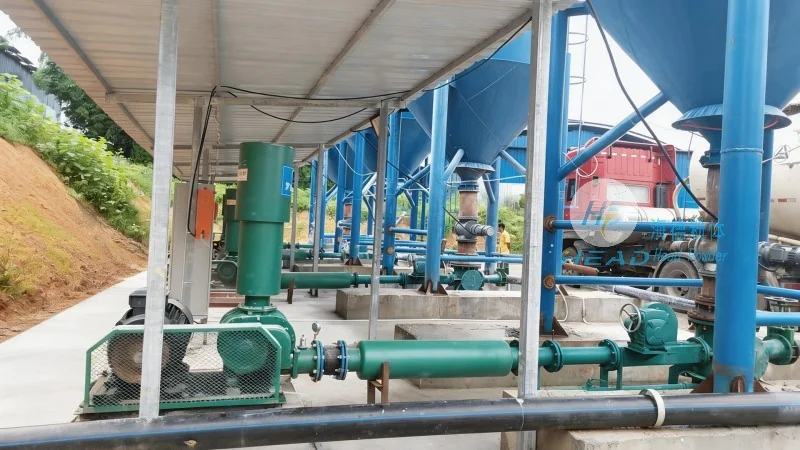
Real-World Applications and Results
HeadPowder has successfully implemented pneumatic conveying systems for polyacrylamide in various industrial settings. For example, in a wastewater treatment plant, the company's system was installed to transport PAM from bulk storage to the dosing tanks. The system was designed to handle high molecular weight PAM with a consistent flow rate, ensuring that the polymer was delivered to the treatment tanks without clogging or degradation. The result was a significant improvement in the plant's operational efficiency, with reduced downtime and improved water treatment performance. Another application involved the transport of PAM to a chemical processing facility, where the system was integrated with existing equipment to provide a seamless material flow. The customer reported that the pneumatic system reduced labor costs by up to 30% and improved the overall quality of the final product by maintaining the polymer's purity.
Conclusion
In conclusion, pneumatic conveying plays a crucial role in the efficient and reliable transport of polyacrylamide. By leveraging advanced technology, companies like Shandong HeadPowder Engineering Co., Ltd. can address the unique challenges associated with handling this critical polymer. The benefits of pneumatic conveying, including product integrity preservation, operational flexibility, and enhanced safety, make it an ideal solution for modern industrial applications. As the demand for effective water treatment and industrial processing continues to grow, the adoption of such advanced transport technologies will become increasingly important in ensuring the quality and efficiency of material handling processes.