For the food processing industry, especially in the production of seasonings, efficient and hygienic material handling is crucial. Pneumatic conveying systems have emerged as a preferred solution due to their ability to transport powders and granules with precision and minimal contamination. This article explores the different types of pneumatic conveying used for seasonings, their key characteristics, and the various applications where they are applied.
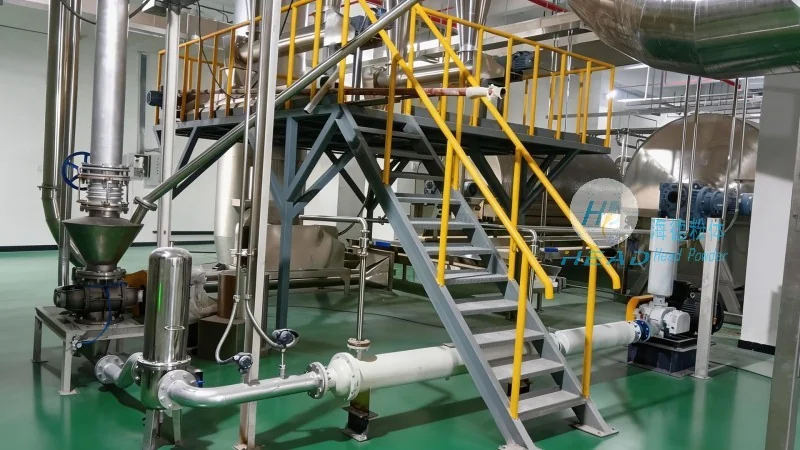
Understanding Pneumatic Conveying Systems for Seasonings
Pneumatic conveying, also known as air conveying, is a method of transporting bulk materials using a stream of pressurized or vacuum air. In the context of seasonings, which often include spices, herbs, and flavor enhancers, these systems ensure that the product remains intact and free from moisture or contamination during transit. The choice of system depends on factors such as the material's properties, the required throughput, and the layout of the production facility.
Types of Pneumatic Conveying for Seasonings
There are primarily two main categories of pneumatic conveying systems used in the seasoning industry: positive pressure and negative pressure systems. Each type has distinct characteristics that make it suitable for different operational needs.
1. Positive Pressure Pneumatic Conveying
Positive pressure systems operate by blowing air into the conveying line, creating a pressure higher than the ambient air. This method is ideal for applications where the material needs to be transported over longer distances or through complex network layouts. The high pressure ensures that the material is propelled through the system without clogging, making it suitable for handling fine powders like ground spices or powdered seasonings.
Key features of positive pressure systems include high throughput capabilities, the ability to handle abrasive materials, and the flexibility to integrate with existing production lines. These systems are often equipped with filters and cyclones to separate the conveyed material from the air, ensuring that the seasoning remains clean and free from dust. The positive pressure also helps in maintaining a consistent flow rate, which is critical for maintaining product quality.
2. Negative Pressure Pneumatic Conveying
Negative pressure systems, on the other hand, create a vacuum in the conveying line, drawing the material into the system. This approach is commonly used for shorter distances and when the material is to be collected from a single point. Negative pressure systems are particularly effective for handling materials that are sensitive to pressure changes or for applications where the material needs to be transported from a storage silo to a processing unit.
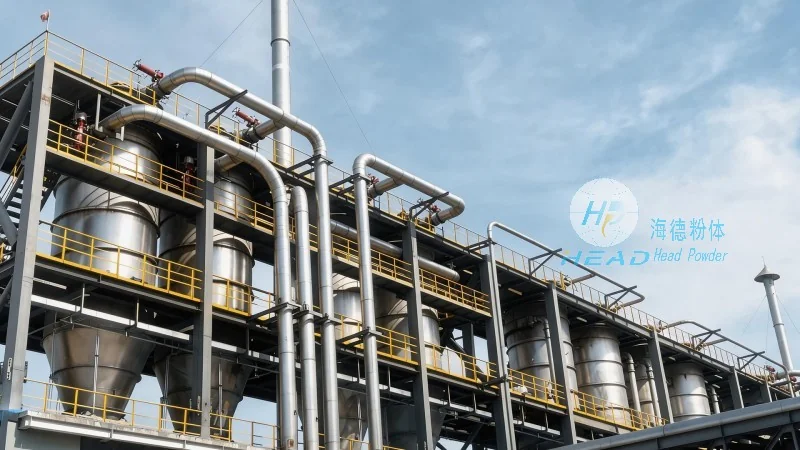
Features of negative pressure systems include lower energy consumption compared to positive pressure systems, as they rely on the vacuum created by the system rather than external air compression. They are also less likely to cause dust emissions, making them suitable for environments where air quality is a concern. However, these systems may have limitations in terms of throughput and the ability to handle highly abrasive or sticky materials.
Characteristics of Pneumatic Conveying for Seasonings
Regardless of the type, pneumatic conveying systems for seasonings share several important characteristics that contribute to their effectiveness and reliability.
Firstly, hygienic design is paramount. The systems are constructed from materials that are easy to clean and sanitize, such as stainless steel, to prevent cross-contamination between different product batches. This is especially important in the food industry, where regulatory standards are stringent.
Secondly, the systems are designed for efficiency. They can handle a wide range of material types, from fine powders to granules, and can be customized to meet specific throughput requirements. The ability to integrate with other processing equipment, such as mixers and packaging machines, enhances overall operational efficiency.
Thirdly, flexibility is a key characteristic. Pneumatic conveying systems can be configured in various layouts, including straight lines, loops, and branching networks, allowing for the adaptation to different factory layouts and production changes. This flexibility reduces the need for extensive reconfiguration when production processes evolve.
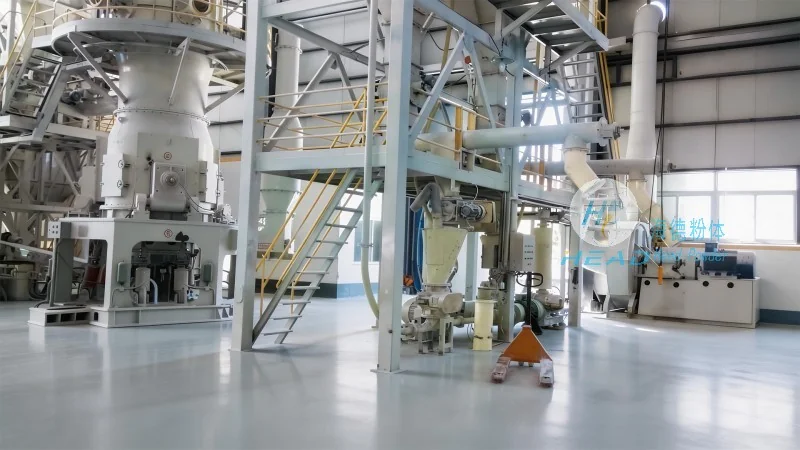
Lastly, the systems offer a degree of control over the material's condition. By controlling the air flow rate and pressure, operators can regulate the speed and consistency of the material's movement, ensuring that the seasoning's quality is maintained throughout the conveying process.
Application Ranges of Pneumatic Conveying for Seasonings
Pneumatic conveying systems are applied in a variety of scenarios within the seasoning production and processing industry. The specific application depends on the system type and the operational requirements.
One common application is the transport of raw materials from storage silos to processing units. For example, after spices are received and stored in bulk silos, a pneumatic conveying system can efficiently move them to the grinding or mixing equipment. This reduces manual handling and minimizes the risk of product degradation.
Another application is the transfer of finished seasonings from production lines to packaging machines. In this case, the system ensures that the product is delivered to the packaging line in a controlled manner, maintaining the product's integrity and preventing any spillage or contamination.
Additionally, pneumatic conveying is used in quality control processes. For instance, samples of the seasoning can be taken from the conveying line and analyzed for moisture content, particle size, or other quality parameters. The system allows for a continuous and non-destructive sampling process, which is essential for maintaining product consistency.
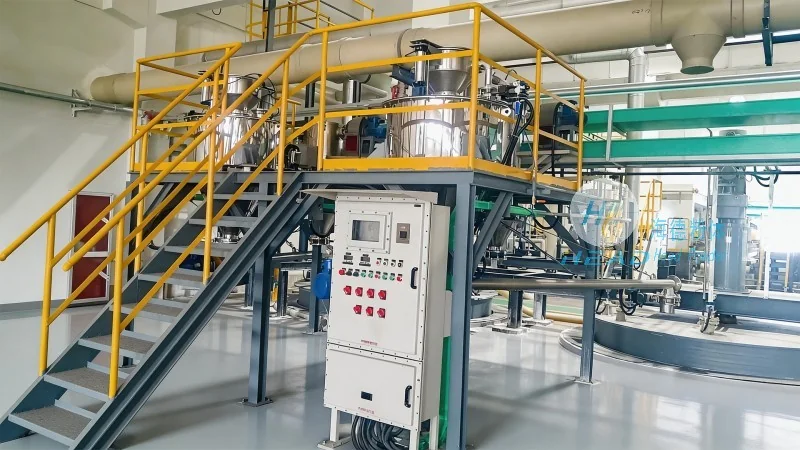
Furthermore, these systems are utilized in the cleaning and maintenance of production equipment. By using a vacuum system to remove dust and debris from machinery, the conveying process helps in maintaining the equipment's performance and extending its lifespan.
Shandong HeadPowder Engineering Co., Ltd. and Pneumatic Conveying Solutions
Shandong HeadPowder Engineering Co., Ltd., a leading provider of engineering solutions for the powder and bulk material handling industry, specializes in designing and manufacturing pneumatic conveying systems tailored to the needs of the seasoning sector. With years of experience and a deep understanding of the challenges faced by food processing companies, the company offers customized solutions that meet the specific requirements of each client.
The company's expertise lies in the integration of advanced technology with hygienic design principles. Their systems are built to comply with international food safety standards, ensuring that the conveyed seasonings remain safe and of high quality. By leveraging the latest in material handling technology, Shandong HeadPowder Engineering Co., Ltd. helps food manufacturers improve their operational efficiency, reduce costs, and enhance product quality.
Whether it's a positive pressure or negative pressure system, the company provides comprehensive services including system design, installation, and maintenance. Their team of engineers works closely with clients to understand their production processes and recommend the most suitable pneumatic conveying solution. This collaborative approach ensures that the final system not only meets the technical requirements but also aligns with the client's long-term business goals.
With a strong commitment to quality and customer satisfaction, Shandong HeadPowder Engineering Co., Ltd. has established itself as a trusted partner in the food processing industry. Their pneumatic conveying systems are known for their reliability, durability, and ability to deliver consistent performance, making them an ideal choice for companies looking to enhance their seasoning production capabilities.




