Aluminum foil, a versatile and widely used material in various industries, often requires efficient and reliable material handling solutions. Pneumatic conveying systems offer a non-contact, low-cost method for transporting aluminum foil and other lightweight materials. This article provides an in-depth analysis of the two primary pneumatic conveying methods—vacuum and positive pressure systems—exploring their technical characteristics, operational principles, and practical applications.
Vacuum Pneumatic Conveying Systems for Aluminum Foil
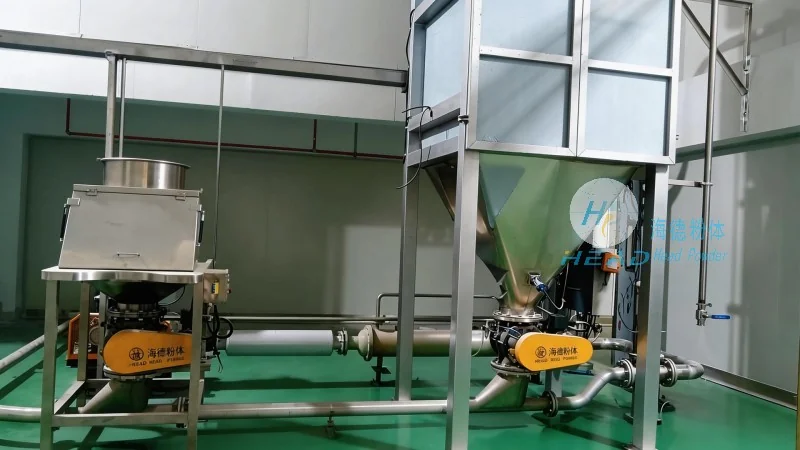
Vacuum pneumatic conveying systems utilize a vacuum to draw material from a source into a conveying line. This method is particularly effective for transporting aluminum foil over short to medium distances, especially when the material is stored in hoppers or silos. The system operates by creating a negative pressure within the conveying line, which pulls the material along with air through the pipeline. A key advantage of vacuum systems is their ability to handle fine or dusty materials without the need for high velocities, reducing the risk of material degradation or equipment wear. The design typically includes a vacuum pump, a hopper with a feeder, and a receiver where the material is deposited. The process is gentle on the aluminum foil, preserving its integrity and preventing damage that could occur with mechanical handling methods.
Positive Pressure Pneumatic Conveying Systems for Aluminum Foil
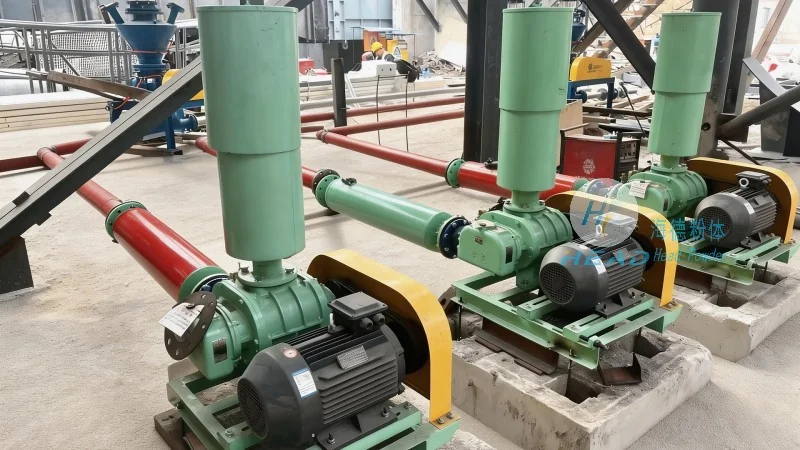
Positive pressure systems, on the other hand, use compressed air to push material through the conveying line. This approach is suitable for longer distances and can handle a wider range of material types, including aluminum foil that may be more abrasive or have higher bulk density. The system works by forcing air and material through the pipeline, with the air pressure maintaining the flow. Positive pressure systems are often more robust and can handle higher material loads compared to vacuum systems. They are particularly useful in applications where the material needs to be transported to multiple destinations or over complex routes. The equipment includes a blower, a feeder, and a series of pipelines with appropriate valves and controls to direct the material to the desired location. This method ensures consistent flow and can be integrated with other processing equipment, enhancing overall operational efficiency.
Comparative Analysis of Vacuum and Positive Pressure Systems
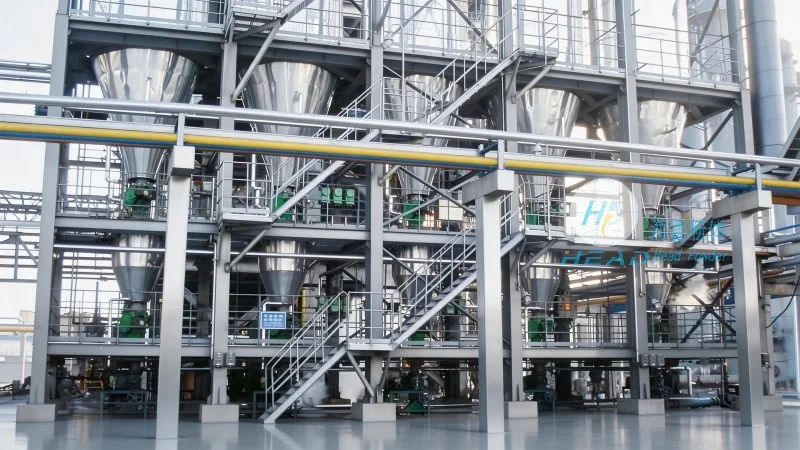
When selecting a pneumatic conveying system for aluminum foil, it is essential to consider the specific requirements of the application. Vacuum systems are generally more suitable for short-distance, low-volume transport where material is already in a hopper, as they are less energy-intensive and gentler on the material. Positive pressure systems excel in longer-distance, high-volume applications or where the material needs to be transported to multiple points, as they offer greater flexibility and can handle more challenging material characteristics. For aluminum foil, which is often lightweight and delicate, a vacuum system may be preferred to avoid excessive air velocities that could cause tearing or contamination. However, for bulk handling or when the material is mixed with other components, a positive pressure system might be more appropriate.
Application Scenarios in the Aluminum Industry
The application of pneumatic conveying technology in the aluminum industry spans various processes, from raw material handling to finished product transport. In aluminum foil production, for instance, vacuum systems are commonly used to transfer foil sheets from the rolling mill to storage silos or packaging areas. This ensures a clean and efficient transfer without the need for manual handling, which can introduce contaminants or damage the foil. Positive pressure systems may be employed in the transportation of aluminum scrap or other bulk materials to the melting furnaces, where higher material loads and longer distances are involved. The systems are also used in recycling facilities to convey aluminum foil waste for processing and reclamation. The choice of system depends on the specific process requirements, such as the need for material separation, filtration, or the integration with other machinery.
Technical Advantages and Considerations
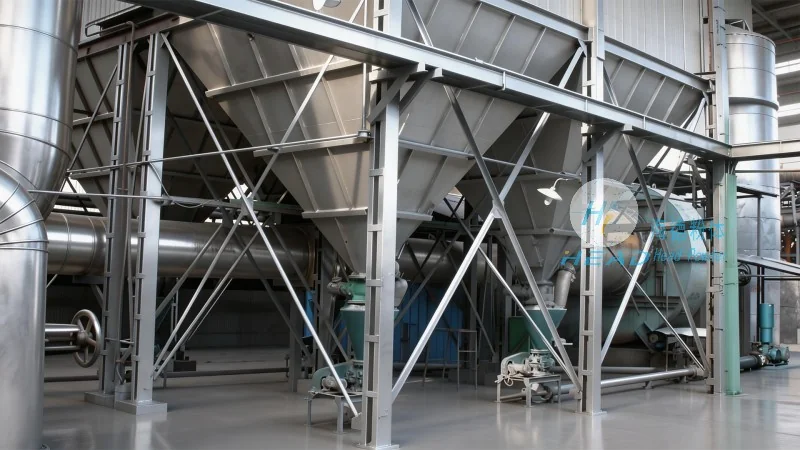
Both vacuum and positive pressure pneumatic conveying systems offer distinct advantages for aluminum foil handling. Vacuum systems provide a gentle, low-velocity transport that minimizes material degradation and reduces the risk of product contamination. They are also energy-efficient for short distances, making them cost-effective for small-scale operations. Positive pressure systems, while more powerful, offer greater flexibility in material handling, allowing for longer distances and multiple destinations. They can handle a wider range of material types and are more suitable for high-volume applications. However, positive pressure systems require more energy and may generate more noise and dust, necessitating proper filtration and ventilation systems. The selection of a system should also consider the environmental impact, as both methods can contribute to air pollution if not properly managed. Proper maintenance and regular cleaning of the conveying lines are crucial to prevent clogging and ensure consistent performance.
Conclusion and Company Overview
Aluminum foil pneumatic conveying technology, whether through vacuum or positive pressure systems, plays a vital role in the efficient and reliable handling of aluminum foil in various industrial applications. The choice between the two methods depends on factors such as distance, material characteristics, and operational requirements. By understanding the technical differences and advantages of each system, industries can optimize their material handling processes, reduce costs, and improve overall productivity. Shandong HeadPowder Engineering Co., Ltd., a leading provider of pneumatic conveying solutions, specializes in designing and manufacturing customized systems tailored to the specific needs of aluminum foil handling. With a focus on innovation and quality, the company ensures that its systems meet the highest standards of performance and reliability, supporting the aluminum industry's demands for efficient material transport and processing. Based in Shandong, China, HeadPowder Engineering leverages its expertise to deliver solutions that enhance operational efficiency and sustainability in aluminum foil handling.




