

What is Nitrogen Circulation Powder Pneumatic Conveying? What Are Its Design Principles?
Understanding the mechanics and design principles of nitrogen circulation powder pneumatic conveying is crucial for industries that handle fine powders. This technology offers a reliable method for transporting powders over long distances or through complex systems, often with enhanced safety and efficiency compared to traditional methods. The following exploration delves into the fundamental aspects of this process, highlighting key design considerations and the role of nitrogen as a carrier gas. Developed by companies such as Shandong HeadPowder Engineering Co., Ltd., this system is widely adopted in sectors like pharmaceuticals, food processing, and chemical manufacturing, where maintaining product integrity is paramount.
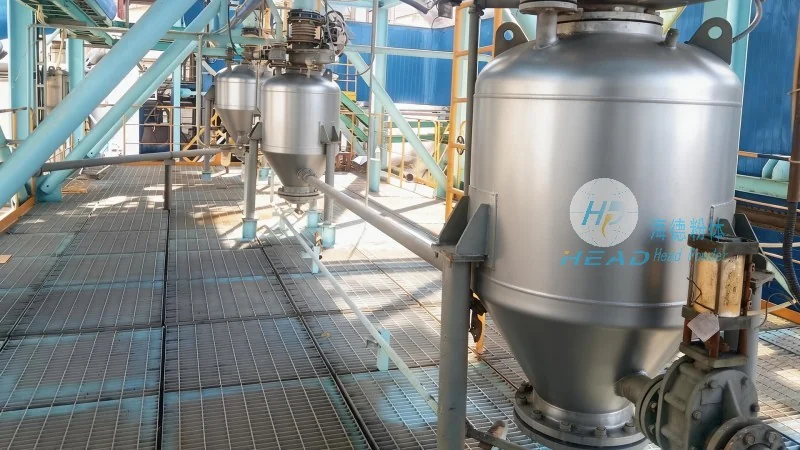
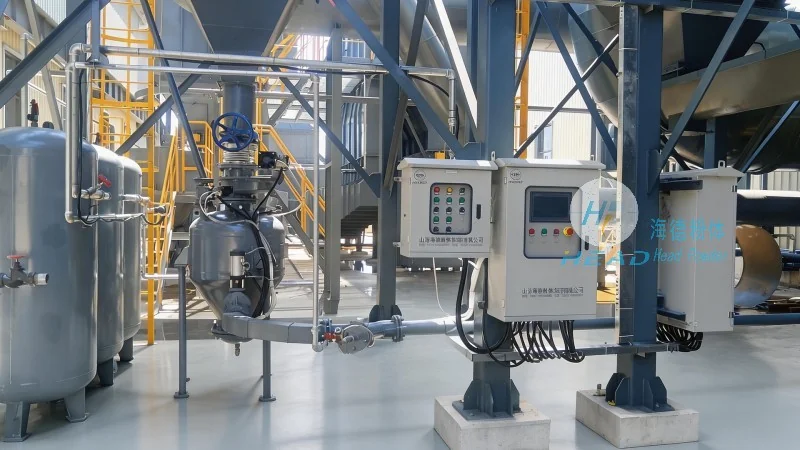
Introduction to Nitrogen Circulation Powder Pneumatic Conveying
Nitrogen circulation powder pneumatic conveying is a specialized form of pneumatic transport where nitrogen gas is used as the primary medium to move dry powders. Unlike conventional systems that rely on ambient air, nitrogen provides an inert environment, which is particularly beneficial for materials that are sensitive to oxidation or moisture. The system typically operates under positive or negative pressure, depending on the application, and involves a closed-loop or semi-closed-loop configuration to maintain gas containment and efficiency. This method is widely adopted in sectors such as pharmaceuticals, food processing, and chemical manufacturing, where maintaining product integrity is paramount.