

Rice Pneumatic Conveying Technology: In-Depth Analysis of Vacuum and Positive Pressure Conveying App
Efficient handling of rice grains is crucial in modern agricultural and food processing industries. Pneumatic conveying systems have emerged as a key solution for transporting rice from fields to processing facilities, storage, or packaging areas. This article delves into the technical aspects of rice pneumatic conveying, focusing on vacuum and positive pressure systems, and explores their practical applications in the rice industry.
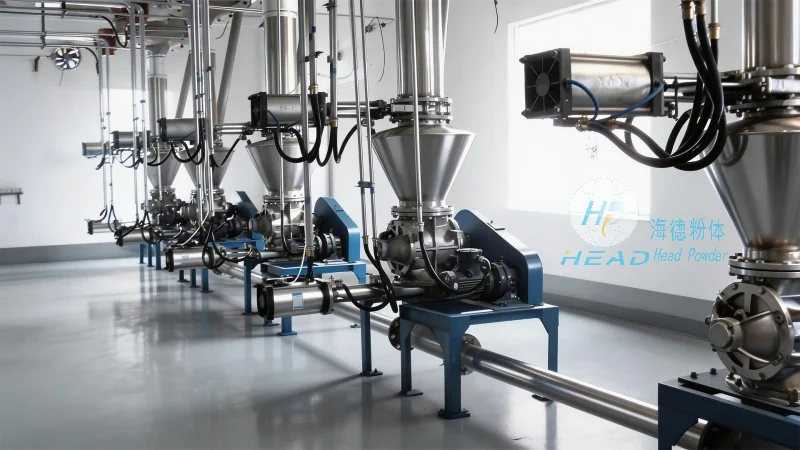
Understanding Pneumatic Conveying for Rice Processing
Pneumatic conveying utilizes air flow to move bulk materials like rice through a pipeline system. It offers advantages such as reduced labor costs, minimized product damage, and the ability to transport materials over long distances without the need for complex machinery. For rice, which is delicate and prone to breakage, selecting the right pneumatic conveying method is critical to maintaining product quality and integrity.
Vacuum Pneumatic Conveying Systems for Rice
Vacuum pneumatic conveying systems operate by creating a negative pressure (vacuum) at the receiving end of the pipeline, drawing rice particles into the system. This method is particularly suitable for applications where the rice needs to be transported from a lower elevation to a higher one, or from a storage bin to a processing unit. The system typically includes a vacuum pump, a hopper, and a pipeline network. The vacuum creates a pressure differential that pulls the rice particles into the air stream, ensuring a smooth and continuous flow.
For rice processing, vacuum systems are often used in combination with other equipment, such as cleaning and sorting machines. The gentle nature of vacuum conveying minimizes the risk of rice breakage, making it ideal for handling whole grains or partially processed rice. The system can also be integrated with dust collection and filtration units to maintain air quality and comply with environmental regulations.
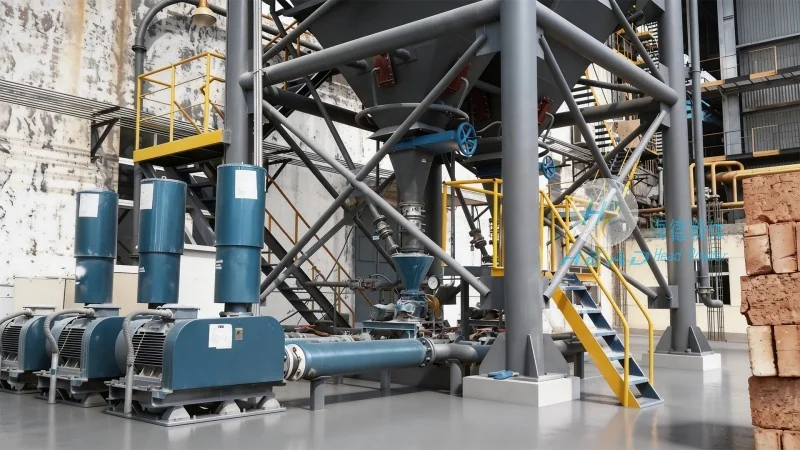
Positive Pressure Pneumatic Conveying Systems for Rice
Positive pressure systems, on the other hand, generate a positive pressure at the discharge end of the pipeline, pushing rice particles through the system. This method is commonly used for transporting rice from a processing unit to a storage silo or packaging line, especially when the rice needs to be moved to a higher elevation or over longer distances. The system relies on a blower or fan to force air and rice particles through the pipeline, ensuring consistent flow rates and preventing blockages.
In rice applications, positive pressure systems are often preferred for their ability to handle higher material loads and maintain a stable flow. They are particularly effective in situations where the rice is already processed and needs to be transferred to packaging equipment. The positive pressure also helps in maintaining the temperature and moisture content of the rice, which is essential for preserving its quality during storage and transportation.
Key Considerations for Choosing Between Vacuum and Positive Pressure Systems
The choice between vacuum and positive pressure pneumatic conveying systems for rice depends on several factors, including the distance of transport, elevation changes, material characteristics, and system cost. Vacuum systems are generally more suitable for shorter distances and lower elevations, while positive pressure systems are better for longer distances and higher elevations. Additionally, the type of rice (e.g., whole grain, broken, or milled) and its moisture content can influence the selection of the most appropriate system.
Another important consideration is the system's efficiency and energy consumption. Vacuum systems typically consume less energy compared to positive pressure systems, as they rely on the vacuum pump to draw materials rather than force them. However, positive pressure systems may be more cost-effective for large-scale operations due to their higher material handling capacity.
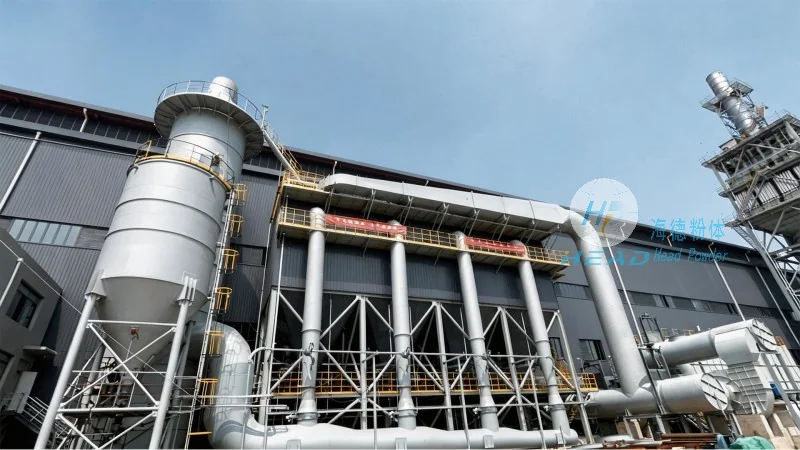
Application Examples in the Rice Industry
HeadPowder, a leading provider of pneumatic conveying solutions, has extensive experience in designing and implementing rice pneumatic conveying systems for various applications. For instance, a rice mill in China utilizes a vacuum system to transport freshly harvested rice from storage bins to a cleaning and sorting line. The system efficiently handles the delicate grains, minimizing breakage and ensuring consistent quality. Another client, a rice processing plant, uses a positive pressure system to transfer milled rice from the milling unit to a packaging line, maintaining the product's freshness and preventing contamination.
These examples highlight the versatility of pneumatic conveying systems in the rice industry. Whether it's for short-distance transport within a processing facility or long-distance transfer between locations, the right system can significantly improve operational efficiency and product quality.
Conclusion
Pneumatic conveying, both vacuum and positive pressure, plays a vital role in the efficient handling of rice. By understanding the technical differences and application requirements, rice processors can select the most suitable system to meet their specific needs. Companies like Shandong HeadPowder Engineering Co., Ltd. offer tailored solutions that integrate advanced technology with practical design, ensuring optimal performance and reliability in rice pneumatic conveying applications.