When it comes to managing ash and slag in industrial processes, efficient conveyance is critical for maintaining operational efficiency and ensuring environmental compliance. The methods used to transport these materials can vary significantly based on the nature of the waste, the distance to be covered, and the specific requirements of the facility. Understanding the different types of ash and slag conveyance is essential for selecting the most suitable system for a particular application.
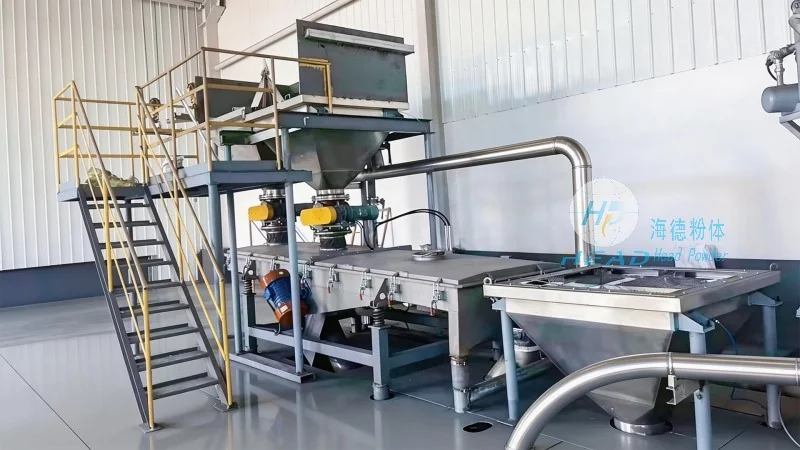
Common Methods of Ash and Slag Conveyance
There are several established methods for transporting ash and slag from the source to the disposal or processing site. Each method has its own advantages and is best suited for specific conditions. The primary types include mechanical conveyors, gravity systems, and pneumatic (air) conveyors. Let's explore each in detail.
Mechanical Conveyors for Ash and Slag
Mechanical conveyors are among the most widely used systems for ash and slag transport due to their reliability and ability to handle a wide range of material characteristics. These systems utilize moving parts to move the material along a defined path. The most common types include:
- Belt Conveyors: These are ideal for long-distance transport of bulk materials, including ash and slag. They consist of a continuous belt that moves over rollers, allowing for smooth and consistent movement of the material. Belt conveyors can be designed with steep inclines, making them suitable for vertical transport as well.
- Scraped Belt Conveyors: Similar to standard belt conveyors, but with a scraping mechanism that prevents material from sticking to the belt. This is particularly useful for sticky or high-moisture ash and slag, ensuring efficient transport without blockages.
- Screw Conveyors (Augers): These use a rotating screw to push material forward through a tube. Screw conveyors are compact and can handle materials with varying consistencies, making them suitable for horizontal or slight incline transport.
- Chain and Flight Conveyors: These systems use a chain with attached flights to move material along a trough. They are effective for handling materials that are prone to segregation or require gentle handling.
HeadPowder, a leading provider of industrial solutions, offers a range of mechanical conveyor systems tailored to the unique needs of ash and slag management. Our expertise in designing and implementing these systems ensures that clients receive reliable and efficient equipment that meets their operational requirements.
Gravity Conveyors for Ash and Slag
Gravity conveyors utilize the force of gravity to move ash and slag from a higher elevation to a lower one. These systems are simple, low-cost, and require minimal maintenance. They are particularly effective for short-distance transport where the material can be allowed to flow under the influence of gravity.
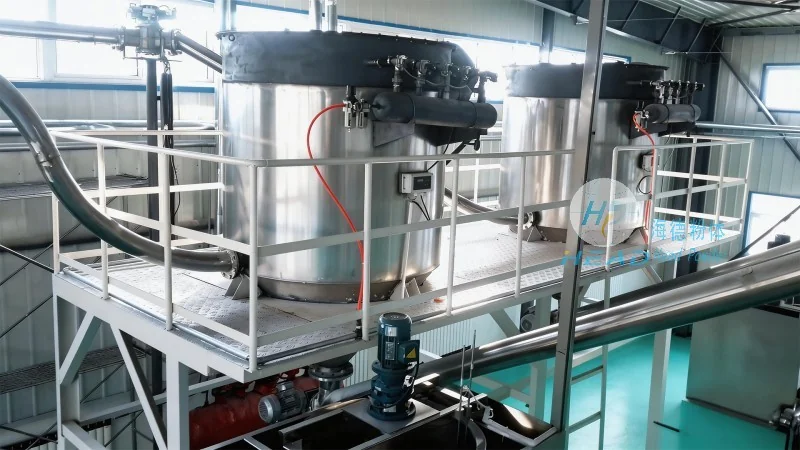
Common types of gravity conveyors include:
- Chute Conveyors: These consist of a sloped channel or chute that allows material to slide down due to gravity. They are simple to install and can handle a wide variety of materials, including ash and slag.
- Trough Conveyors: These are similar to chute conveyors but use a trough to guide the material. They provide better control over the flow and can be used for both horizontal and inclined transport.
While gravity conveyors are effective for certain applications, they are limited by the need for a suitable slope and the material's characteristics. For more complex or longer transport needs, mechanical or pneumatic systems may be more appropriate.
Pneumatic (Air) Conveyors for Ash and Slag
Pneumatic conveyors use air pressure to transport ash and slag through a pipeline. This method is particularly useful for handling fine or dusty materials that are difficult to handle with mechanical systems. The material is suspended in the air stream and carried to the destination.
There are two main types of pneumatic conveyors:
- Positive Displacement Pneumatic Conveyors: These systems use a pump to create a high-pressure air stream that pushes the material through the pipeline. They are capable of handling long distances and can transport materials at high speeds.
- Pressure-Driven Pneumatic Conveyors: These systems use a blower to create a low-pressure air stream that pulls the material through the pipeline. They are suitable for shorter distances and are generally less expensive than positive displacement systems.
HeadPowder specializes in designing and installing pneumatic conveying systems that can handle the challenges of ash and slag transport. Our systems are engineered to ensure efficient material transport while minimizing air consumption and maintaining material integrity.
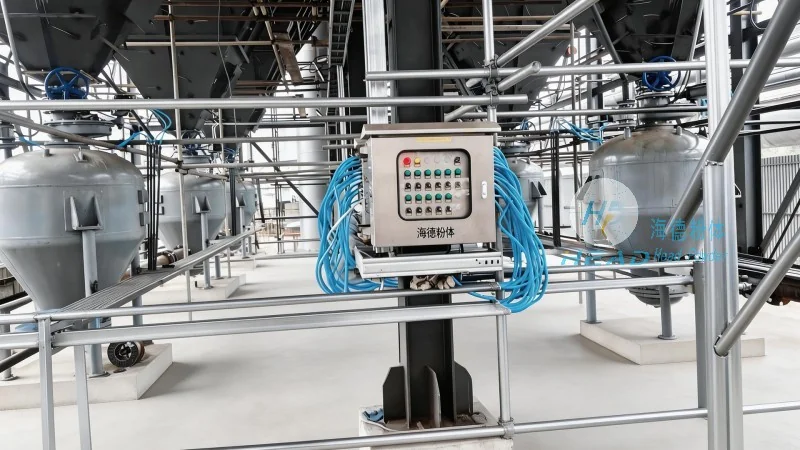
Choosing the Right Ash and Slag Conveyance Method
Selecting the appropriate ash and slag conveyance method requires careful consideration of several factors. These include the type and characteristics of the material (e.g., size, moisture content, stickiness), the distance to be covered, the required throughput, and the available space and budget. Each method has its strengths and limitations, and the best choice depends on the specific needs of the application.
For example, if the facility requires long-distance transport of bulk ash and slag, a belt conveyor may be the most suitable option. If the material is fine and dusty, a pneumatic conveyor might be more effective. In cases where the material can be transported by gravity, a simple chute system may suffice.
HeadPowder Engineering Co., Ltd., based in Shandong, China, provides comprehensive solutions for ash and slag conveyance. Our team of experts works closely with clients to assess their needs and recommend the most appropriate system. We offer custom-designed mechanical, gravity, and pneumatic conveyors that are built to withstand the harsh conditions of ash and slag handling.
By choosing the right conveyance method, industrial facilities can improve operational efficiency, reduce downtime, and ensure compliance with environmental regulations. HeadPowder's expertise in ash and slag management ensures that clients receive reliable and effective solutions that meet their specific requirements.




