Soap granule pneumatic conveying systems represent a sophisticated solution for the efficient and hygienic transport of soap granules within industrial settings. These systems are designed to handle the unique characteristics of soap granules, such as their size, density, and moisture content, ensuring minimal product degradation and maximum operational efficiency. The equipment, developed by Shandong HeadPowder Engineering Co., Ltd., a leading manufacturer based in China, integrates advanced engineering principles to deliver reliable performance in various production and processing environments.
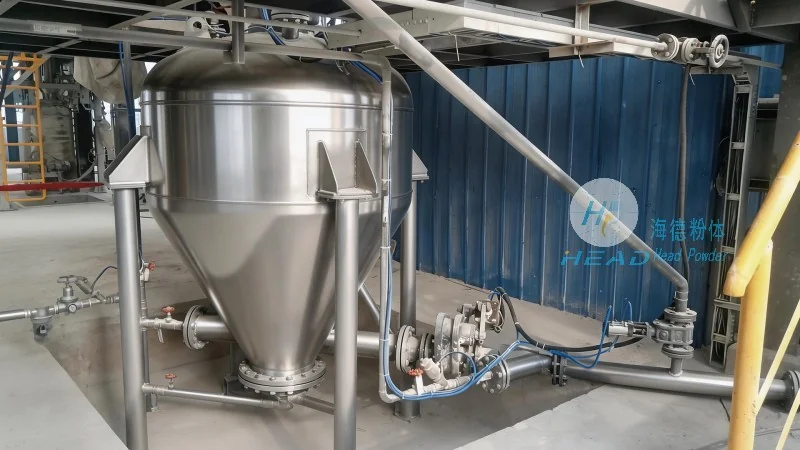
Overview of the Pneumatic Conveying System for Soap Granules
The soap granule pneumatic conveying system comprises several key components that work in concert to achieve seamless material transport. At the core of the system is the material feeding unit, which is responsible for introducing the soap granules into the conveying line. This unit is typically equipped with a hopper and a rotary valve or a screw feeder, ensuring a controlled and consistent flow of material. The feeding mechanism is designed to prevent blockages and maintain a steady supply of granules, which is crucial for maintaining the system's throughput.
Following the feeding unit, the soap granules enter the conveying pipeline. The pipeline is usually made of stainless steel or other corrosion-resistant materials, which are essential for handling the chemical properties of soap granules and ensuring long-term durability. The system employs either positive pressure or negative pressure (or a combination of both) to move the material through the pipeline. Positive pressure systems use a blower or compressor to generate air pressure that propels the granules, while negative pressure systems create a vacuum to draw the material. The choice of pressure type depends on the specific application requirements, including the distance of transport and the material's properties.
Structural Principles and Operational Mechanics
The structural design of the soap granule pneumatic conveying system is optimized for both functionality and maintenance. The feeding unit is often mounted on a sturdy frame to minimize vibrations and ensure stable operation. The hopper is designed with a sloped bottom to facilitate the flow of granules into the feeder, reducing the risk of clogging. The rotary valve or screw feeder is equipped with a seal mechanism to prevent air leakage and maintain the system's pressure integrity.
The conveying pipeline is typically arranged in a straight or slightly curved path to minimize pressure losses and energy consumption. Elbows and bends are strategically placed to direct the flow while using minimal space. The pipeline diameter is carefully selected based on the material's flow rate and the desired velocity, which is critical for preventing particle separation and ensuring uniform transport. The system may also include expansion joints to accommodate thermal expansion and reduce stress on the pipeline.
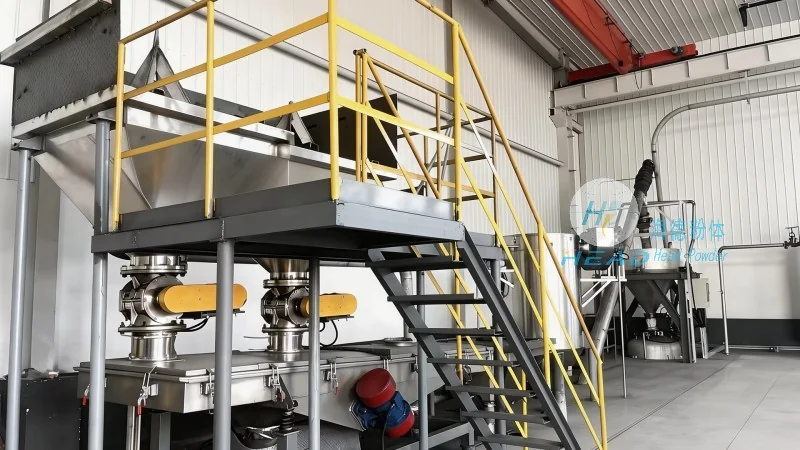
At the receiving end of the conveying line, a material separator or receiver is installed. This component is responsible for separating the soap granules from the air stream and collecting the material in a storage bin or processing unit. The separator may use gravity, cyclonic action, or a combination of both to achieve effective separation. The collected granules are then discharged into the next stage of the production process, such as packaging or further processing.
Technical Advantages and Performance Characteristics
Shandong HeadPowder Engineering Co., Ltd.'s soap granule pneumatic conveying system offers several technical advantages that make it an ideal choice for industrial applications. One of the primary benefits is the high efficiency of material transport, which allows for continuous operation with minimal downtime. The system can handle large volumes of soap granules, making it suitable for high-throughput production lines.
The system is also designed for low product loss and minimal contamination. The enclosed pipeline and sealed feeding mechanisms prevent dust and moisture from entering the system, maintaining the quality of the soap granules. Additionally, the stainless steel construction ensures that the equipment is resistant to corrosion and easy to clean, which is essential for meeting hygiene standards in the soap manufacturing industry.
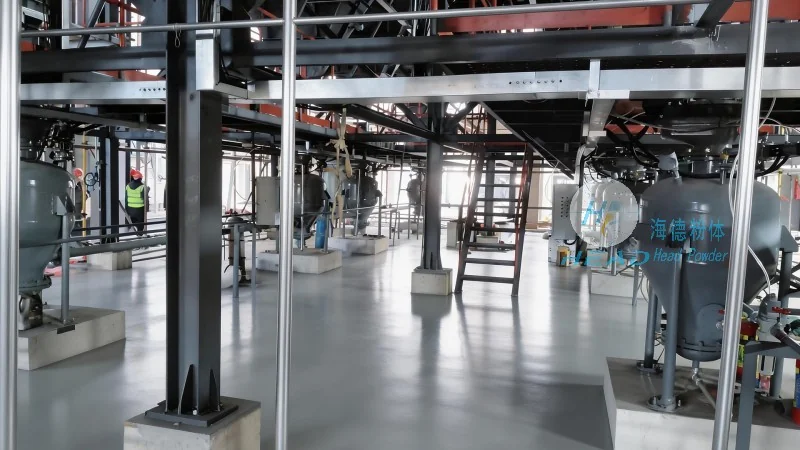
The system's flexibility is another key feature. It can be adapted to various transport distances, from short-line conveying within a facility to long-distance transport between different production sites. The modular design allows for easy expansion or modification as production needs change. Furthermore, the system operates with low noise levels, contributing to a safer and more comfortable working environment.
Application and Operational Considerations
The soap granule pneumatic conveying system is widely used in the soap manufacturing industry for transporting raw materials or finished products. It is particularly effective for handling granules that are sensitive to moisture or temperature changes, as the enclosed system protects the material from external factors. The system is also suitable for applications where traditional belt or bucket elevators are not feasible due to space constraints or the need for hygienic operation.
Operational considerations for the system include regular maintenance and monitoring. The feeding unit and pipeline should be inspected periodically to ensure that there are no blockages or leaks. The air compressor or blower should be checked for proper performance to maintain the required pressure levels. The separator and receiver should be cleaned regularly to prevent material buildup and ensure efficient operation.
Shandong HeadPowder Engineering Co., Ltd. provides comprehensive support for its pneumatic conveying systems, including installation, training, and after-sales service. The company's expertise in material handling and process engineering ensures that the systems are tailored to meet the specific needs of each customer, resulting in optimal performance and long-term reliability.




