HeadPowder, a leading manufacturer based in Shandong, China, specializes in the design and production of advanced paint pneumatic conveying systems. This article provides an overview of the key equipment involved and the fundamental structural principles that underpin these systems, highlighting their efficiency and reliability in industrial applications.
Company Overview
HeadPowder Engineering Co., Ltd. is a reputable enterprise dedicated to delivering high-quality pneumatic conveying solutions. With a strong presence in Shandong, China, the company leverages years of expertise to develop equipment tailored to the unique demands of the paint industry. By focusing on precision engineering and robust construction, HeadPowder ensures that its systems meet the stringent requirements of modern manufacturing processes.
Key Equipment in Paint Pneumatic Conveying Systems
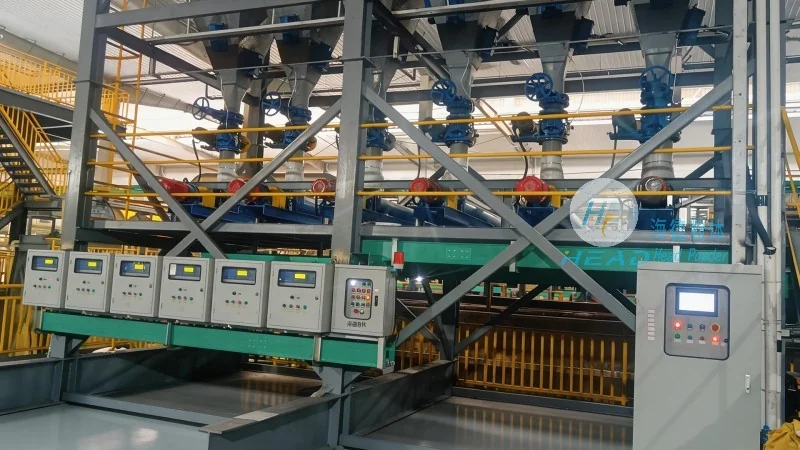
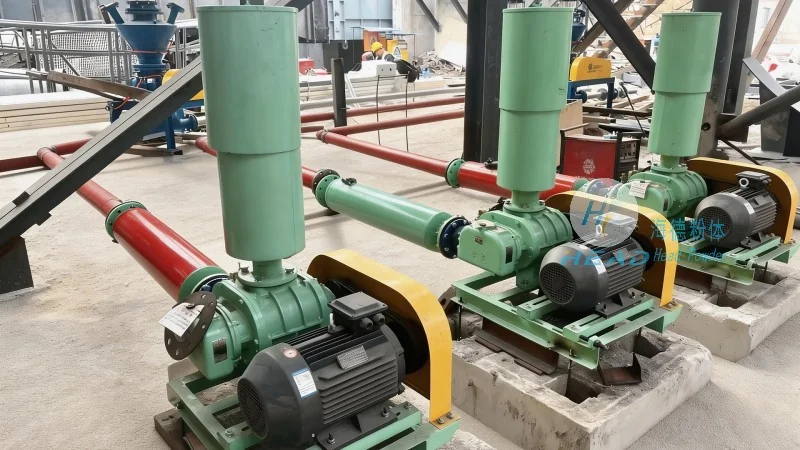
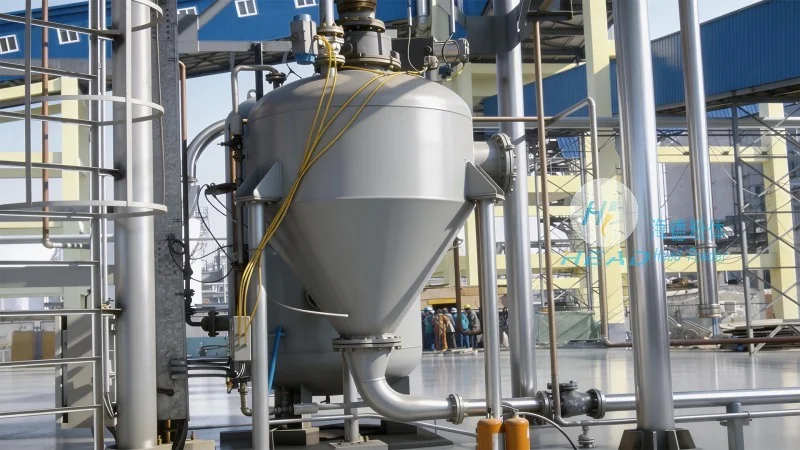
The paint pneumatic conveying system typically comprises several critical components, each playing a vital role in the efficient transport of powders. The main equipment includes the hopper, which serves as the storage container for the paint powder, ensuring a consistent feed. The feeder, often a rotary valve or a screw feeder, regulates the flow of material from the hopper into the conveying line. The conveying line itself, usually made of stainless steel or other corrosion-resistant materials, transports the powder under pressure. The air compressor provides the necessary air pressure to move the material through the system. Additionally, the filter and separator are essential for maintaining air quality and preventing material buildup in the system.
Structural Principles of Pneumatic Conveying
The structural principles of paint pneumatic conveying systems are based on the fundamental physics of fluid dynamics and particle movement. The system operates by creating a pressure differential between the inlet and outlet of the conveying line. The air compressor generates high-pressure air, which is then introduced into the hopper. As the air flows through the feeder and into the conveying line, it entrains the paint powder particles, forming a dense phase or dilute phase flow, depending on the system design. The dense phase conveying, also known as low-pressure conveying, uses lower air velocities and higher material concentrations, which is ideal for handling abrasive or sensitive powders like paint. The dilute phase conveying, or high-pressure conveying, uses higher air velocities and lower material concentrations, suitable for longer distances or less abrasive materials. The system's design, including the angle of the conveying line and the placement of bends and elbows, is carefully engineered to minimize pressure losses and ensure smooth material flow.
Advantages of Paint Pneumatic Conveying Systems
Paint pneumatic conveying systems offer several advantages over traditional mechanical conveying methods. They eliminate the need for mechanical components like belts or chains, reducing maintenance and wear. The enclosed system prevents dust and contamination, ensuring product purity and compliance with environmental regulations. The systems are also highly flexible, allowing for easy integration into existing production lines and the ability to transport materials over long distances with minimal loss. Furthermore, the ability to handle a wide range of powder characteristics, from fine to coarse particles, makes these systems versatile for various paint formulations.
Applications and Industry Impact
Paint pneumatic conveying systems are widely used in the paint manufacturing industry, from raw material handling to final product packaging. They are particularly effective in applications where material handling needs to be precise and contamination-free. The systems are also used in other industries, such as pharmaceuticals and food processing, where material purity is critical. By improving efficiency and reducing downtime, these systems contribute to increased productivity and cost savings for manufacturers.




