Wood chip pneumatic conveying systems are essential equipment in the wood processing industry, designed to efficiently transport wood chips from one location to another using air as the conveying medium. This article provides an overview of the equipment, its structural components, and the underlying principles that enable its operation.
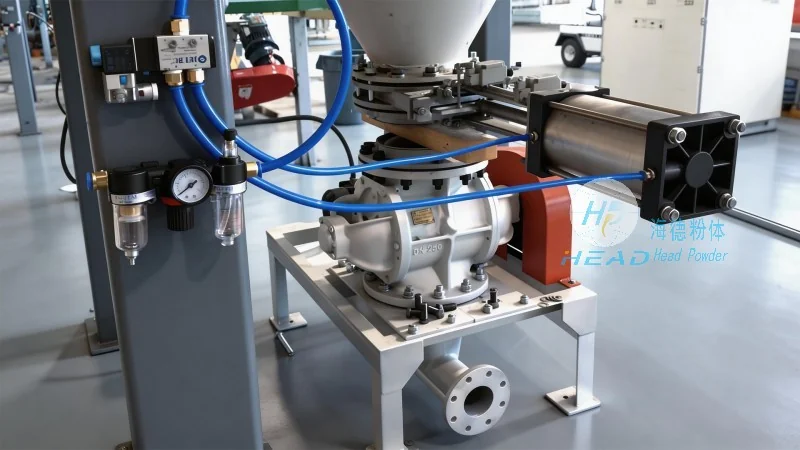
Overview of the Wood Chip Pneumatic Conveying System
The wood chip pneumatic conveying system, as offered by Shandong HeadPowder Engineering Co., Ltd., is a specialized solution tailored for the efficient handling of wood chips. This system is widely used in sawmills, wood pellet production facilities, and other wood processing operations where reliable and low-cost material transport is critical. The system's design focuses on minimizing material degradation, ensuring consistent flow rates, and maintaining system efficiency over extended periods of operation.
Key Structural Components of the Pneumatic Conveying System
The wood chip pneumatic conveying system consists of several critical components that work in tandem to achieve effective material transport. These components include:
1. Feed Hopper: The feed hopper is the initial component where wood chips are loaded. It is designed to hold a sufficient quantity of material to ensure continuous operation and to facilitate uniform feeding into the system. The hopper is typically equipped with a discharge valve or gate that controls the flow of wood chips into the conveying line.
2. Pneumatic Conveying Line: The conveying line is the central part of the system, responsible for transporting wood chips through the air. It is usually made of high-quality, corrosion-resistant materials such as stainless steel or PVC, which are suitable for handling wood chips and preventing material buildup or degradation. The line may include various sections, such as vertical and horizontal segments, to accommodate different layouts and distances between the loading and unloading points.
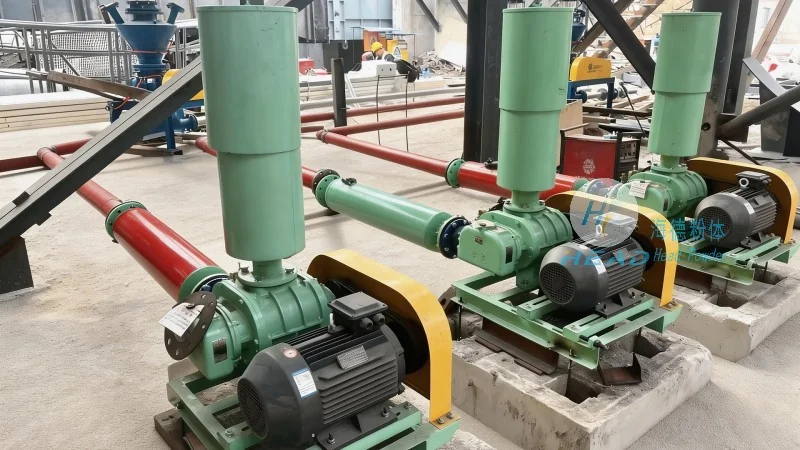
3. Air Compressor and Blower: The air compressor or blower generates the necessary air pressure to move the wood chips through the conveying line. The system utilizes either positive pressure (where air is pushed through the line) or negative pressure (where air is drawn through the line) to transport the material. The choice of compressor type depends on factors such as the distance to be covered, the volume of material to be conveyed, and the desired flow rate.
4. Separation and Collection Unit: At the receiving end of the system, the separation and collection unit is responsible for separating the wood chips from the air stream and collecting the material in a designated container. This unit typically includes a cyclone separator or a filter system to remove fine particles and ensure clean air discharge. The collected wood chips are then discharged into a storage bin or processing unit.
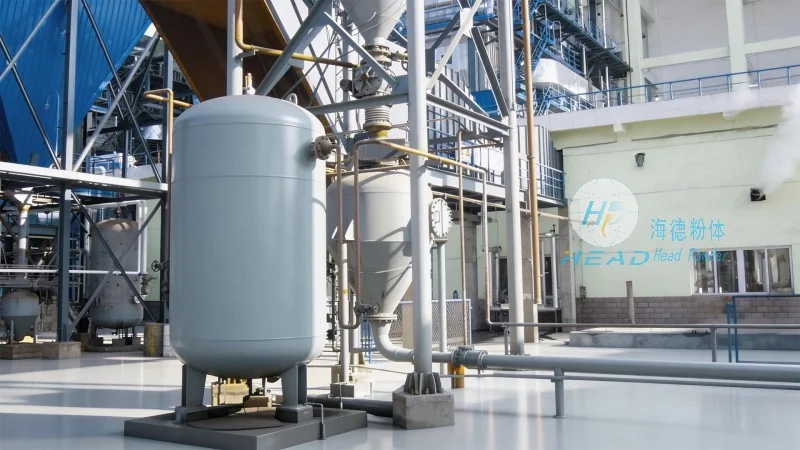
5. Control System: The control system manages the operation of the entire pneumatic conveying system. It includes sensors, valves, and a control panel that monitors parameters such as air pressure, flow rate, and material level. The control system allows for automated operation, ensuring that the system runs efficiently and safely, with the ability to adjust settings based on operational conditions.
Working Principle of the Wood Chip Pneumatic Conveying System
The operation of the wood chip pneumatic conveying system is based on the principle of air flow and particle suspension. When the air compressor or blower starts, it creates a pressure differential within the conveying line. This pressure differential causes the air to flow through the line, carrying the wood chips along with it. The wood chips are suspended in the air stream and transported to the destination point.
In a positive pressure system, the air is pushed from the compressor through the conveying line, carrying the wood chips forward. The air then exits the system at the receiving end, and the wood chips are separated from the air using a cyclone or other separation device. In a negative pressure system, the air is drawn through the line by a vacuum pump, creating a suction effect that pulls the wood chips into the line and transports them to the collection point.
The efficiency of the system depends on several factors, including the air velocity, the size and density of the wood chips, and the length and layout of the conveying line. Proper design and maintenance of the system are crucial to ensure optimal performance and minimize energy consumption. The system is designed to handle a wide range of wood chip sizes and types, from fine sawdust to larger chips, making it a versatile solution for various wood processing applications.
Advantages of Using a Wood Chip Pneumatic Conveying System
There are several advantages to using a wood chip pneumatic conveying system for material transport in the wood processing industry. These include:
1. Efficiency and Speed: The system allows for rapid and continuous transport of wood chips, reducing the time and labor required for manual handling. This leads to increased productivity and reduced operational costs.
2. Low Maintenance: Compared to traditional conveyor systems, pneumatic conveying systems have fewer moving parts, which reduces the risk of mechanical failure and lowers maintenance requirements.
3. Reduced Material Degradation: The system minimizes material contact with other surfaces, reducing the risk of damage or degradation to the wood chips. This is particularly important for high-value wood products.
4. Flexibility in Layout: The system can be easily adapted to different layouts and distances, allowing for flexible installation in various wood processing facilities.
5. Clean and Hygienic Operation: The system operates in a closed environment, preventing dust and debris from spreading and maintaining a clean working environment.
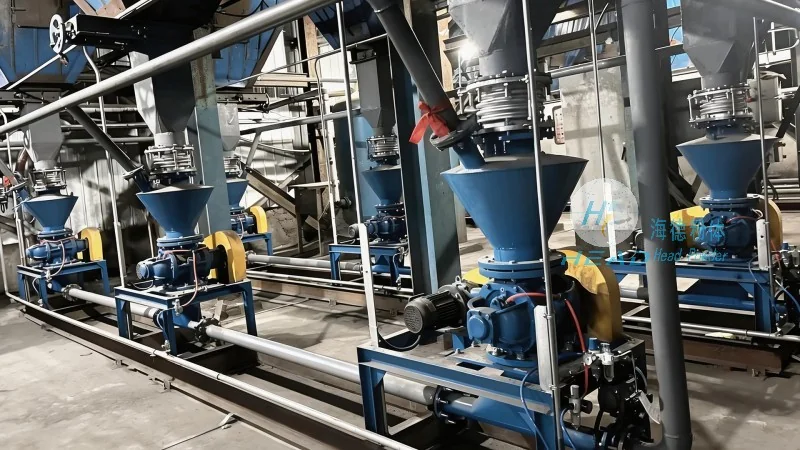
Applications of the Wood Chip Pneumatic Conveying System
The wood chip pneumatic conveying system is widely used in various applications within the wood processing industry. Some common applications include:
1. Transporting wood chips from the debarking and chipping stage to the wood pellet production line. This is a critical step in the production of wood pellets, where consistent and efficient material transport is essential to maintain production rates.
2. Conveying wood chips from storage silos to the drying or processing equipment. The system ensures that the wood chips are delivered to the processing units in a controlled manner, preventing blockages and ensuring uniform drying.
3. Transporting wood chips from the sawmill to the storage area or to other processing facilities. This allows for efficient material handling and reduces the need for manual labor in moving large quantities of wood chips.
4. Handling fine wood particles or sawdust for recycling or further processing. The system can handle fine particles that are difficult to transport using traditional methods, ensuring that all material is utilized effectively.
Conclusion
The wood chip pneumatic conveying system is a vital piece of equipment for the wood processing industry, offering efficient, low-cost, and reliable material transport solutions. With its robust design and advanced control systems, the system from Shandong HeadPowder Engineering Co., Ltd. provides a versatile and durable solution for various wood processing applications. By understanding the structural components and working principles of the system, users can optimize its performance and ensure long-term operational efficiency.




