

Operation Process and Working Principle of Film-Coated Sand Powder Pneumatic Conveying Line
For industries dealing with film-coated sand powder, efficient and reliable material handling is crucial. The pneumatic conveying line is a key solution that ensures smooth and safe transportation of these fine powders. This article delves into the operation process and working principle of such a system, highlighting its importance in modern manufacturing processes.
Introduction to Pneumatic Conveying Systems for Film-Coated Sand
Pneumatic conveying systems are widely used in the foundry industry, particularly for transporting film-coated sand, which is essential for sand casting processes. These systems utilize air pressure to move powders through a network of pipes, eliminating the need for mechanical components like belts or buckets that might cause contamination or wear. The film-coated sand, with its protective coating, requires a system that can handle fine particles without causing agglomeration or degradation.
Key Components of a Film-Coated Sand Pneumatic Conveying Line
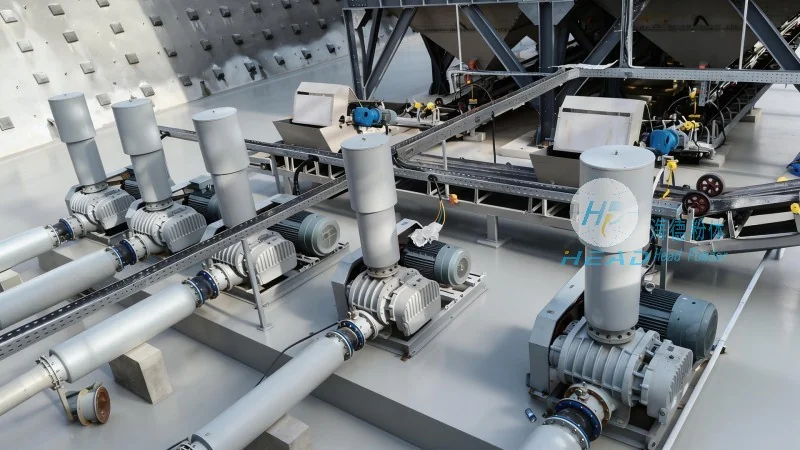
The operation of a pneumatic conveying line for film-coated sand involves several critical components, each playing a vital role in the overall process. The main components include the material hopper, feeder, air compressor, conveying pipes, and dust collector. The material hopper stores the film-coated sand and feeds it into the system at a controlled rate. The feeder, often a rotary valve or a screw feeder, ensures a consistent flow of powder into the conveying line. The air compressor generates the necessary pressure to move the powder through the pipes. The conveying pipes are designed with appropriate diameters and bends to minimize pressure loss and prevent particle segregation. Finally, the dust collector captures any fine particles that may escape, ensuring a clean and safe working environment.
Working Principle of the Pneumatic Conveying Process
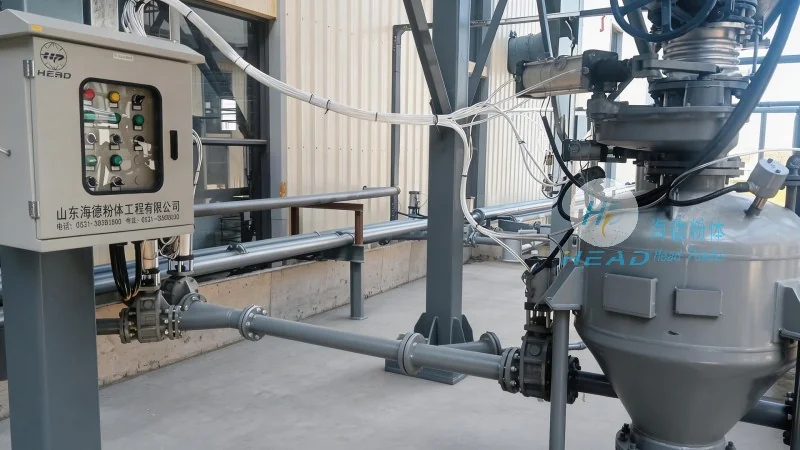
The working principle of a pneumatic conveying line for film-coated sand is based on the principle of air flow and particle suspension. When the air compressor operates, it creates a high-pressure air stream that enters the conveying pipes. The feeder then introduces the film-coated sand into the air stream, causing the particles to become suspended in the air. The air flow then transports the suspended powder through the pipes to the destination point, such as a storage silo or a processing unit. The speed of the air and the size of the particles determine the conveying velocity, which must be optimized to prevent particle deposition or excessive wear on the system components.
Operation Process of the Film-Coated Sand Pneumatic Conveying Line
The operation process of the system begins with the loading of film-coated sand into the material hopper. The hopper is equipped with a level indicator to monitor the material level, ensuring that the feeder receives a consistent supply. The feeder then starts, and the rotary valve or screw feeder delivers the powder into the conveying line at a controlled rate. The air compressor is activated, and the pressure is adjusted to the optimal level for the specific powder characteristics. As the air flows through the pipes, the film-coated sand particles are carried along, reaching the destination point. The system may include multiple branches or loops to handle different destinations or to return excess air and particles. The dust collector continuously operates to capture any fine particles that may escape from the system, maintaining air quality and preventing contamination.
Advantages of Using a Pneumatic Conveying Line for Film-Coated Sand
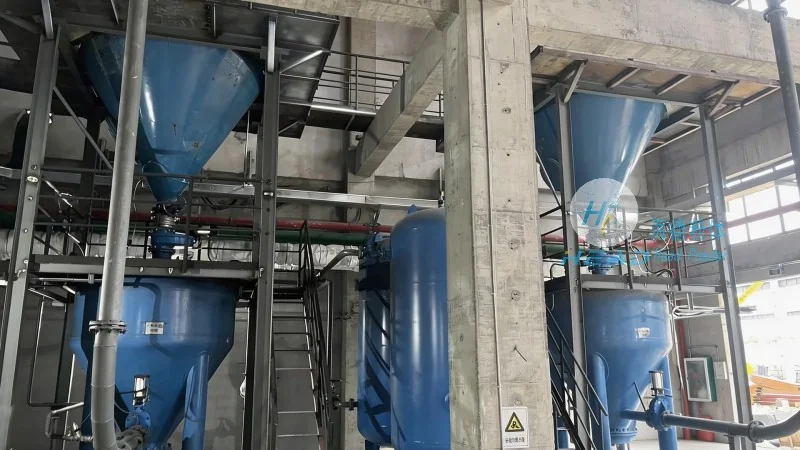
Implementing a pneumatic conveying line for film-coated sand offers several advantages over traditional mechanical conveying methods. Firstly, it eliminates the risk of contamination, as the system is enclosed and does not come into direct contact with the external environment. This is particularly important for film-coated sand, which requires a clean and controlled environment to maintain its properties. Secondly, the system is more flexible and can be easily modified or expanded to accommodate changes in production needs. The ability to handle fine particles without causing agglomeration or degradation is another key advantage, ensuring the quality of the film-coated sand remains intact throughout the conveying process. Additionally, the system is more energy-efficient compared to other methods, as it uses air pressure to move the material, reducing the need for mechanical components that consume more energy.
Maintenance and Troubleshooting for the Pneumatic Conveying Line
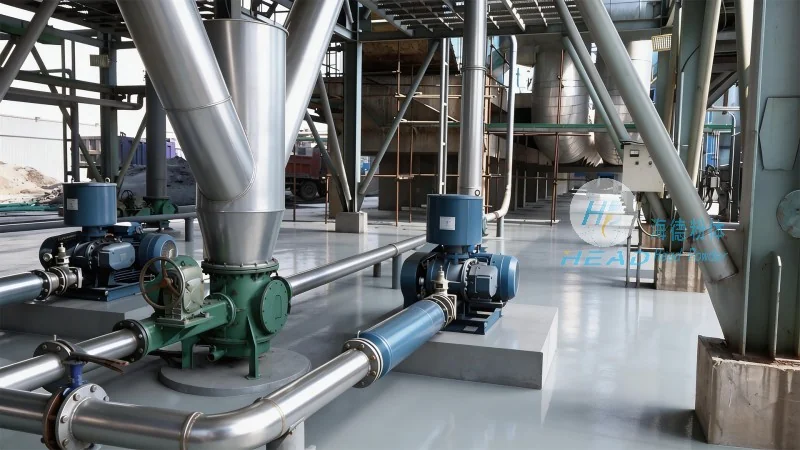
To ensure the long-term efficiency and reliability of the pneumatic conveying line, regular maintenance is essential. The air compressor should be checked regularly for proper operation and oil levels. The conveying pipes should be inspected for any blockages or wear, and cleaned as needed to prevent pressure loss. The feeder and hopper should be checked for any material buildup or wear, and replaced if necessary. The dust collector should be cleaned regularly to maintain its efficiency. Common issues that may arise include air leaks, which can reduce the conveying efficiency, or particle blockages, which can cause system shutdowns. These issues can be identified and resolved by checking the pressure levels, inspecting the pipes and components, and ensuring proper maintenance procedures are followed.
Conclusion
In conclusion, the pneumatic conveying line is an essential component for the efficient and reliable handling of film-coated sand powder. The working principle, based on air flow and particle suspension, ensures that the powder is transported safely and without contamination. The operation process involves several key components and steps, each designed to optimize the conveying process. The advantages of using such a system, including reduced contamination, flexibility, and energy efficiency, make it a preferred choice for many industries. Regular maintenance and proper troubleshooting are crucial to ensure the system operates at its best, providing consistent and reliable performance for the long term.