Molybdenum trioxide (MoO₃) is a critical industrial chemical with widespread applications in catalysts, pigments, and electronic components. The safe and efficient transportation of this material is vital for maintaining product quality and operational efficiency across various industrial processes. This article explores several common methods for transporting molybdenum trioxide, offering practical insights into the approaches used by industry professionals.
Common Transportation Methods for Molybdenum Trioxide
Several established methods are utilized for the transportation of molybdenum trioxide, each tailored to different operational scales and environmental conditions. The selection of a method typically depends on factors such as the volume of material, the distance to be covered, and the need for containment to prevent contamination or environmental impact.
Pipeline Transportation
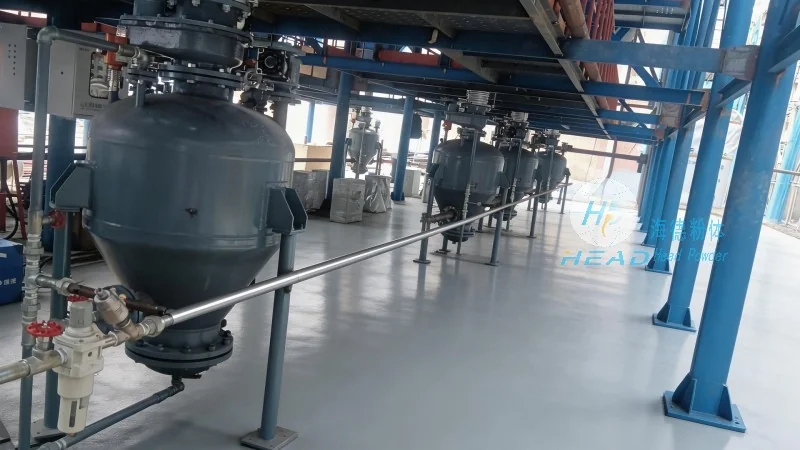
Pipeline transportation is a highly efficient method for moving molybdenum trioxide, especially in large-scale industrial settings. This approach involves pumping the material through sealed pipelines under controlled pressure and temperature. The process minimizes exposure to air and moisture, which can degrade the quality of the molybdenum trioxide. Shandong HeadPowder Engineering Co., Ltd., a prominent player in the industry, employs advanced pipeline systems equipped with specialized pumps and valves to ensure smooth and continuous flow. The use of inert gases or vacuum systems in pipelines further enhances the integrity of the material during transport, preventing oxidation or other chemical changes that could affect its performance.
Packaging and Bulk Handling
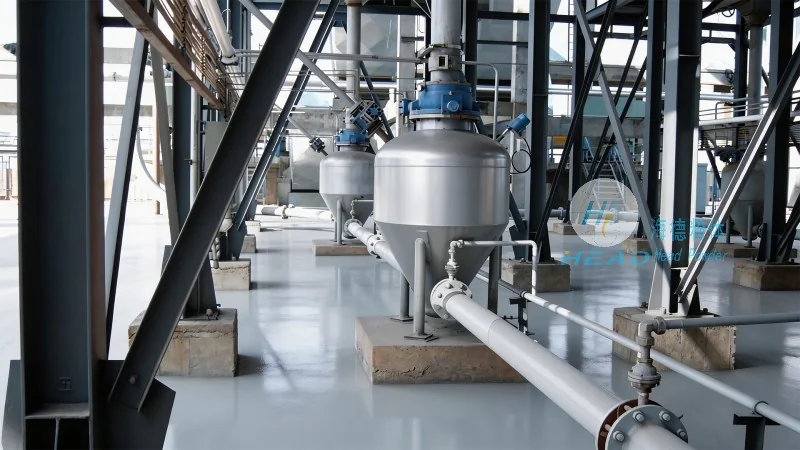
For smaller-scale or regional transportation, packaging and bulk handling methods are commonly employed. Molybdenum trioxide is typically packaged in sealed containers like plastic bags, metal drums, or fiber drums. These containers are designed to be airtight and moisture-resistant, protecting the material from environmental factors. HeadPowder, a leading supplier, ensures that all packaging meets international safety standards and is handled by trained personnel to minimize risks during loading, unloading, and transit. Proper labeling of containers with hazard information is also a key practice to ensure safe handling throughout the supply chain.
Air and Vacuum Systems
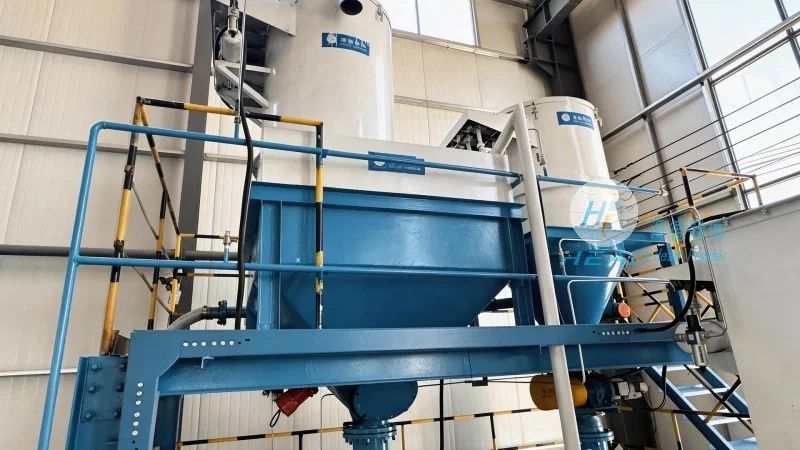
For applications requiring precise control over material flow and to avoid contamination, air and vacuum systems are utilized. These systems use compressed air or vacuum to move molybdenum trioxide through flexible hoses or rigid pipes. The air-assisted or vacuum-assisted methods are ideal for transporting fine powders over short to medium distances without large-scale infrastructure. This approach is particularly useful in laboratory settings or for small-scale production lines where flexibility and precision are critical. The equipment used includes airlocks, cyclones, and dust collectors to maintain a clean and safe environment during the transport process, ensuring that the material remains in its desired state.
Specialized Equipment for Handling
In addition to the above methods, specialized equipment is sometimes used for transporting molybdenum trioxide, especially in cases where the material is sensitive to moisture or air. Conveyors, such as belt conveyors or screw conveyors, can be used to move the material over longer distances within a facility. These systems are often integrated with dust collection and filtration systems to prevent airborne particles from escaping and causing health hazards. The use of such equipment requires careful maintenance to ensure that the material does not degrade or become contaminated during transport.




