

Operation Process and Working Principle of Wood Chip Material Handling Systems
Wood chip material handling systems are critical components in the wood processing industry, facilitating the efficient transport of wood chips from one processing stage to another. These systems are designed to handle large volumes of wood chips with precision and reliability, ensuring smooth operations in sawmills, pulp and paper mills, and other wood processing facilities. The operation process and working principle of such systems involve several key stages, each contributing to the overall efficiency and effectiveness of material handling.
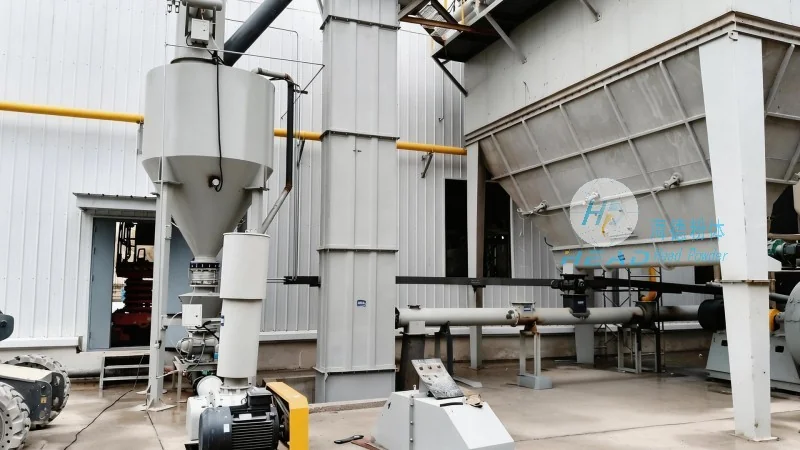
Overview of Wood Chip Material Handling Systems
Wood chip material handling systems are engineered to manage the movement of wood chips, which are the primary raw material in many wood processing applications. These systems integrate various components, including conveyors, elevators, and storage bins, to create a seamless flow of material. The design of these systems is tailored to the specific requirements of the processing plant, considering factors such as chip size, moisture content, and throughput capacity. By optimizing the handling process, these systems help reduce labor costs, minimize material loss, and enhance overall productivity.
Key Components and Their Functions
The operation of a wood chip material handling system relies on several essential components, each playing a vital role in the material transport process. The primary components include:
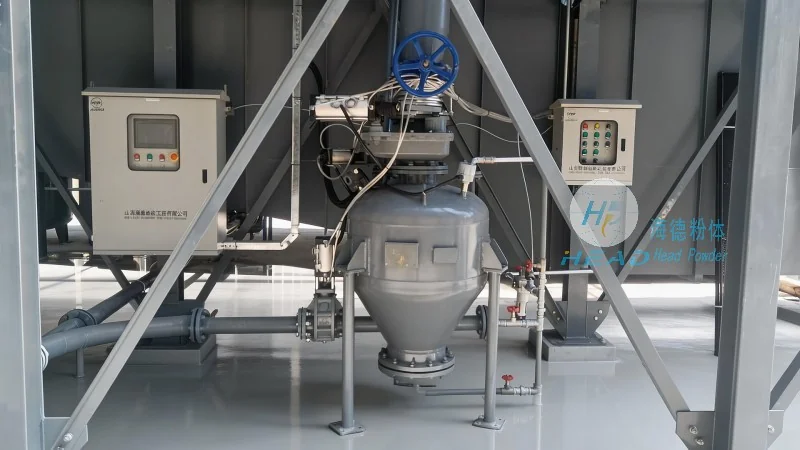
- Conveyor Belts: These are the backbone of the system, responsible for transporting wood chips horizontally or at an incline. Belt conveyors are commonly used due to their ability to handle large volumes of material with minimal maintenance. The belts are typically made of durable materials like rubber or synthetic fabrics, designed to withstand the abrasive nature of wood chips.
- Vertical Elevators: Vertical elevators, often in the form of bucket elevators or chain conveyors, are used to lift wood chips from lower to higher levels. These elevators are crucial for transporting chips to storage silos or processing units located at different heights within the facility. The design of vertical elevators ensures efficient vertical movement while minimizing energy consumption.
- Storage Bins and Hoppers: Storage bins are used to temporarily hold wood chips before they are processed or transported to the next stage. These bins are designed with sloped sides to facilitate the flow of chips and prevent blockages. Hoppers are often integrated with storage bins to direct the flow of material into the conveyor system.
- Control Systems: Modern wood chip material handling systems are equipped with advanced control systems that monitor and regulate the operation of all components. These systems use sensors and automation to ensure smooth and consistent material flow, detect any abnormalities, and adjust the system parameters as needed.
Operation Process: Step-by-Step Workflow
The operation process of a wood chip material handling system typically follows a sequential workflow, starting from the initial collection of wood chips to their final delivery to the processing unit. The key steps in this process are as follows:
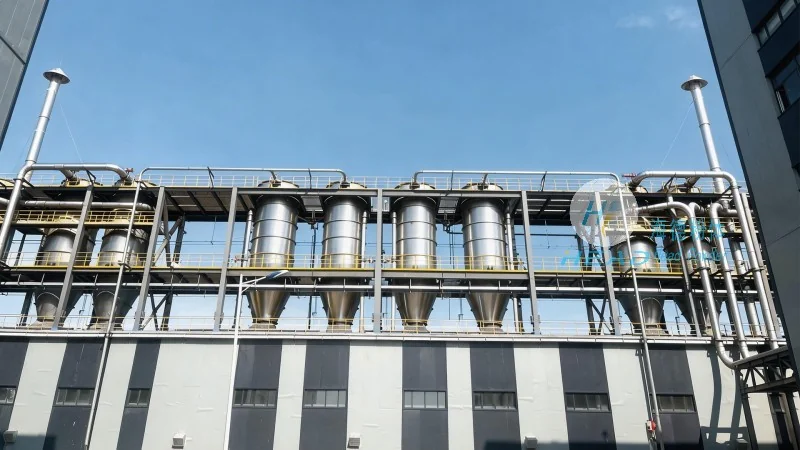
- Collection and Initial Sorting: Wood chips are collected from the wood processing area and may undergo initial sorting to remove debris or oversized materials. This step ensures that only qualified wood chips enter the material handling system.
- Horizontal Conveying: After sorting, the wood chips are transported horizontally using belt conveyors. The conveyors move the chips at a controlled speed to ensure uniform flow and prevent overloading.
- Vertical Transport: Once the chips reach the desired elevation, vertical elevators transport them upward. The elevators may include mechanisms like buckets or chains that lift the chips in a continuous cycle.
- Storage and Distribution: The elevated wood chips are transferred into storage bins or hoppers. From there, they are directed to the processing unit or another conveyor system for further processing.
- Continuous Monitoring and Adjustment: Throughout the operation, the control system continuously monitors the flow rate, pressure, and other parameters. If any issues arise, the system automatically adjusts to maintain optimal performance.
Working Principle: Mechanical and Electrical Integration
The working principle of a wood chip material handling system combines mechanical and electrical components to achieve efficient material transport. The mechanical part includes the conveyors, elevators, and storage bins, which physically move the wood chips. The electrical part includes motors, sensors, and control panels that power and regulate the mechanical components. The integration of these components allows for a synchronized operation, where each part works in harmony to ensure smooth material flow.
The system operates based on the principles of gravity and mechanical force. Horizontal conveyors use the force of gravity to move the chips along the belt, while vertical elevators use mechanical force (e.g., buckets or chains) to lift the chips upward. The control system ensures that the speed and direction of each component are adjusted according to the material flow requirements. This integration of mechanical and electrical systems enables the wood chip material handling system to operate efficiently and reliably, meeting the demands of modern wood processing facilities.