

Operation Process and Working Principle of Rice Bran Material Handling System
At Shandong HeadPowder Engineering Co., Ltd., we specialize in providing advanced material handling solutions for the rice bran processing industry. The rice bran material handling system is a critical infrastructure in rice milling operations, responsible for the efficient transfer of rice bran—a valuable byproduct of rice milling—from collection to storage or further processing. This system is engineered to handle the unique characteristics of rice bran, such as its fine texture and high moisture content, ensuring minimal loss and optimal quality for downstream applications like animal feed, biofuel, or food supplements.
Key Components and Their Functions
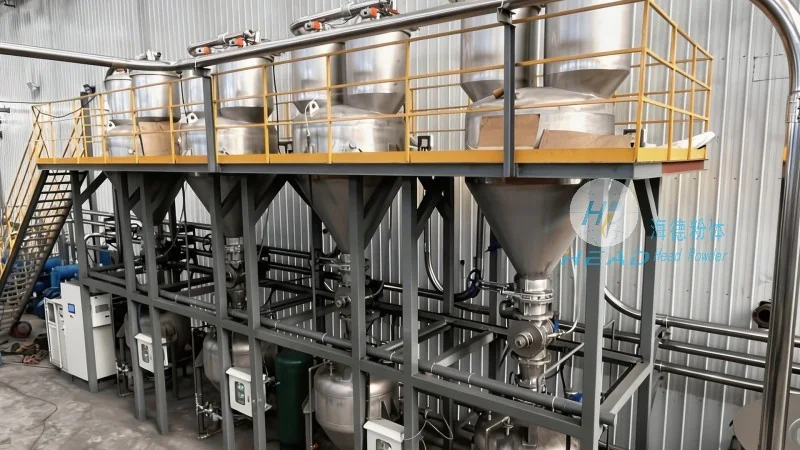
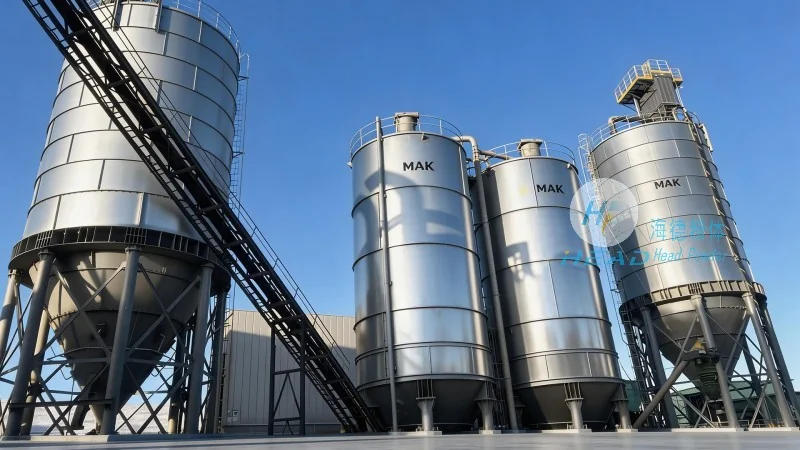
The rice bran material handling system comprises several interdependent components that work together to achieve seamless material flow. The primary components include feed hoppers, conveyor belts, pneumatic conveyors, and storage silos. The feed hopper serves as the initial collection point, designed with a large capacity to accommodate the volume of rice bran produced during milling. It features a level indicator to monitor material levels and an outlet valve to control the flow rate. The conveyor belt system, typically equipped with rubber or metal belts, transports the bran horizontally or vertically, using rollers to maintain consistent movement. For vertical or long-distance transfers, pneumatic conveyors are utilized, which employ air pressure to push the bran through a pipeline, minimizing friction and material degradation. The storage silo is the final component, used to store the processed rice bran until it is ready for distribution or further processing.
Working Principle: How the System Operates
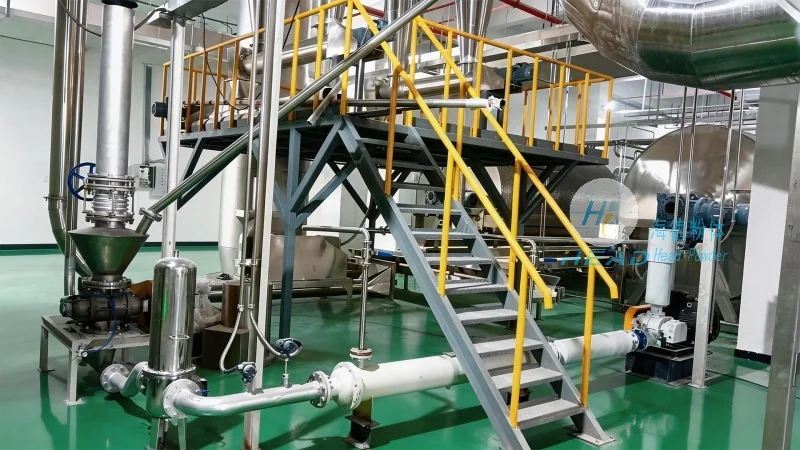
The system operates on a combination of mechanical and pneumatic principles, ensuring reliable and efficient material transfer. The process begins with rice bran entering the feed hopper from the milling machine or storage bins. The hopper’s outlet valve opens, allowing the bran to flow into the conveyor belt system. The conveyor belt moves the material to the next stage, such as a drying or grinding unit. If the material needs to be transported to a different location, the pneumatic conveyor system activates, using compressed air to push the bran through a pipeline. The system is equipped with sensors and control panels that monitor parameters like flow rate, pressure, and temperature, ensuring the process runs smoothly and preventing blockages or overloading. The control system can adjust the speed of the conveyor or the air pressure in the pneumatic system to maintain optimal performance.
Step-by-Step Operation Process
The operation of the rice bran material handling system follows a structured sequence that ensures consistent and efficient material movement. First, the feed hopper is filled with rice bran from the milling process. The level indicator in the hopper signals when the hopper is full, triggering the conveyor belt to start. The conveyor belt transports the bran to the processing unit, where it may undergo drying or grinding. If the bran needs to be stored or transferred to another facility, the pneumatic conveyor system takes over. The system uses air pressure to push the bran through the pipeline to the storage silo or an external destination. The control panel continuously monitors the system, adjusting the flow rate as needed to maintain a steady supply of rice bran. This process minimizes downtime and ensures that the rice bran is handled safely and efficiently throughout the production line.
Benefits and Advantages
Implementing a rice bran material handling system offers significant advantages for rice processing facilities. Firstly, it enhances operational efficiency by reducing manual labor and minimizing material handling time. The automated system ensures a consistent flow of rice bran, which improves the quality and consistency of downstream products. Secondly, it reduces material loss and contamination, as the enclosed system prevents dust and debris from entering the material. This leads to higher product purity and better market value. Additionally, the system is energy-efficient, with adjustable speed controls that optimize power consumption. The modular design allows for easy integration with existing production lines and future expansion, making it a cost-effective solution for both small and large-scale rice bran processing plants. Our systems are also designed for low maintenance, with easy access to components for routine checks and repairs.
Customization and Application Scope
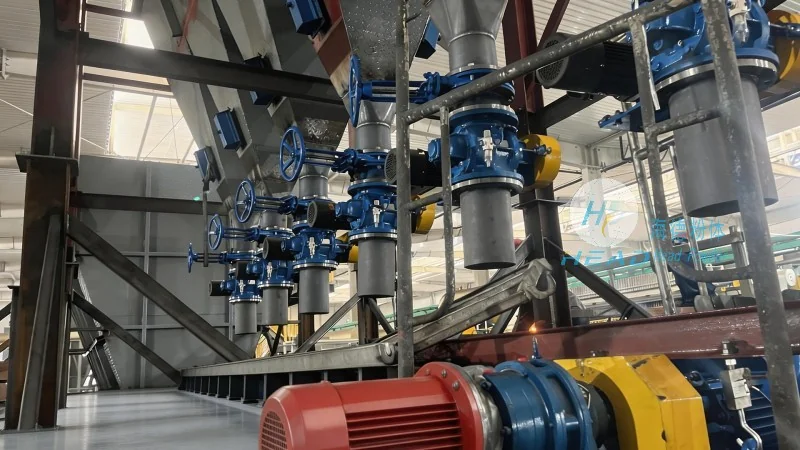
Shandong HeadPowder Engineering Co., Ltd. provides customized rice bran material handling systems tailored to the specific needs of each client. Our team of engineers works closely with clients to understand their production capacity, material characteristics, and operational goals, then designs a system that maximizes efficiency and productivity. The systems are suitable for various applications, including the production of high-quality animal feed, biofuel, and food-grade rice bran products. Whether the client is a small-scale rice mill or a large industrial facility, our solutions can be adapted to meet their unique requirements. We also offer after-sales support, including maintenance services and technical assistance, to ensure the system operates at peak performance for years to come.