

Operation Process and Working Principle of Loess Material Handling Systems
Located in Shandong, China, Shandong HeadPowder Engineering Co., Ltd. specializes in the design, manufacturing, and installation of advanced material handling systems tailored for the efficient transport of loess and other earthy materials. As a leading provider in the industry, the company's solutions are engineered to meet the demanding requirements of construction, mining, and infrastructure projects, ensuring reliable and efficient material flow from source to destination.
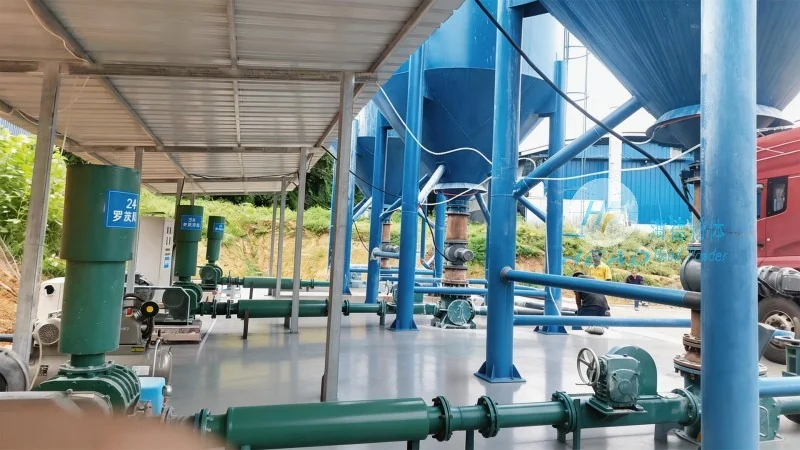
Overview of Loess Material Handling Systems
Loess material handling systems are specialized equipment designed to handle, transport, and discharge loess—a type of fine-grained, wind-deposited soil—efficiently. These systems are critical in various applications, including road construction, dam building, land reclamation, and mining operations. The systems are typically composed of components such as feed hoppers, conveyor belts, elevators, and discharge chutes, all working in tandem to ensure smooth material flow. The design of these systems is tailored to the unique properties of loess, which is known for its high plasticity and abrasive nature, requiring robust and durable equipment to prevent wear and tear.
Key Components and Their Functions
The core components of a loess material handling system include: (1) Feed Hoppers: These structures receive raw loess material from stockpiles or excavation sites, ensuring a consistent feed rate. The hoppers are often equipped with adjustable gates to control the flow of material. (2) Conveyor Belts: Often equipped with heavy-duty rubber or steel belts, these conveyors transport the material horizontally or at an incline. The belts are reinforced with steel cords to withstand the weight and abrasion of loess. (3) Elevators: Vertical or inclined elevators lift the material to higher levels, enabling vertical transport. These elevators use buckets or buckets with flights to move the material upward. (4) Discharge Chutes: These components direct the material to the final destination, such as a storage silo, construction site, or processing facility. The chutes are designed to minimize material spillage and ensure a clean discharge. Each component is engineered to withstand the harsh conditions of loess handling, ensuring long-term reliability and minimal maintenance.
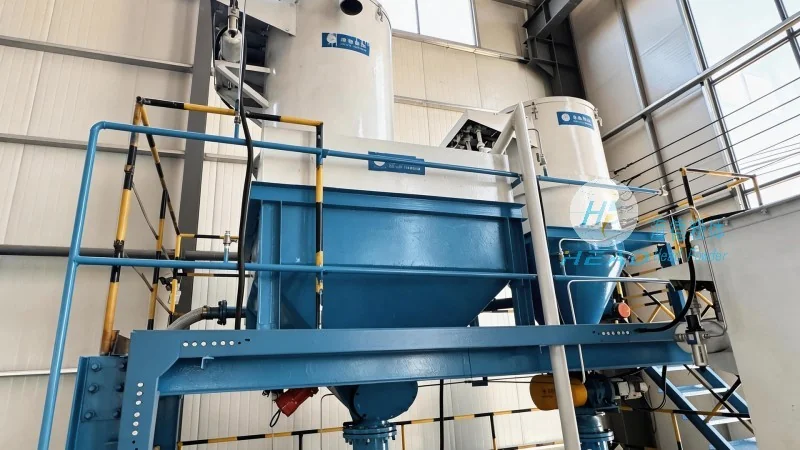
Operation Process: Step-by-Step Workflow
The operation of a loess material handling system follows a systematic workflow to ensure optimal performance. The process begins with material intake, where the feed hopper collects loess from the source. The material is then transferred to the conveyor belt, which moves it horizontally to the next stage. If vertical transport is required, the material is fed into an elevator, which lifts it to the desired height. The system then directs the material through discharge chutes to the final location. Throughout the process, sensors and control systems monitor the flow rate, ensuring that the system operates at peak efficiency and preventing blockages or overloading. The control system adjusts the speed of the conveyors and elevators based on the material volume, maintaining a consistent flow rate and preventing material accumulation.
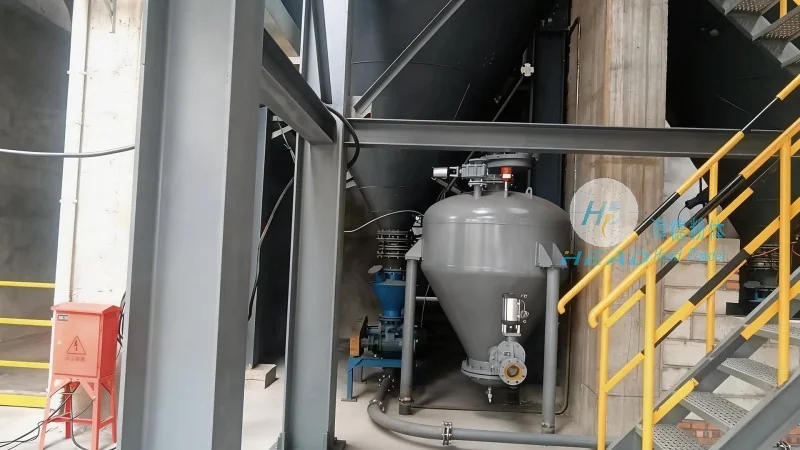
Working Principle: Mechanical and Electrical Integration
The working principle of a loess material handling system combines mechanical and electrical components to achieve precise material transport. The system is powered by electric motors that drive the conveyor belts and elevators. The mechanical design includes robust frames and bearings to handle the weight and abrasion of loess. Electrical controls manage the speed and direction of the conveyors, while safety features like emergency stop buttons and overload protection ensure operational safety. The integration of these components allows for automated operation, reducing the need for manual intervention and increasing productivity. The system also includes monitoring equipment to track performance metrics, such as material flow rate and equipment temperature, enabling proactive maintenance and reducing downtime.
Advantages and Applications
Loess material handling systems offer several advantages, including high efficiency, low maintenance costs, and adaptability to various project requirements. The systems are particularly suitable for large-scale construction projects where large volumes of loess need to be moved quickly and reliably. In addition to construction, these systems are used in mining operations to transport earthy materials from extraction sites to processing facilities. The durability and reliability of the equipment make it a preferred choice for industries that require consistent and efficient material handling solutions. The systems also contribute to improved safety on construction sites by reducing manual handling of heavy materials, minimizing the risk of accidents and injuries.