

Operation Process and Working Principle of Aluminum Turnings Material Handling System
Aluminum turnings material handling systems are critical components in industrial settings where aluminum processing and recycling operations are conducted. These systems are designed to efficiently transport aluminum turnings, a byproduct of metalworking processes, from one location to another within a facility. The operation process and working principle of such systems involve several key steps and mechanisms that ensure smooth and reliable material transport. This article provides a detailed overview of the typical operation process and working principles of aluminum turnings material handling systems, highlighting the key components and their functions.
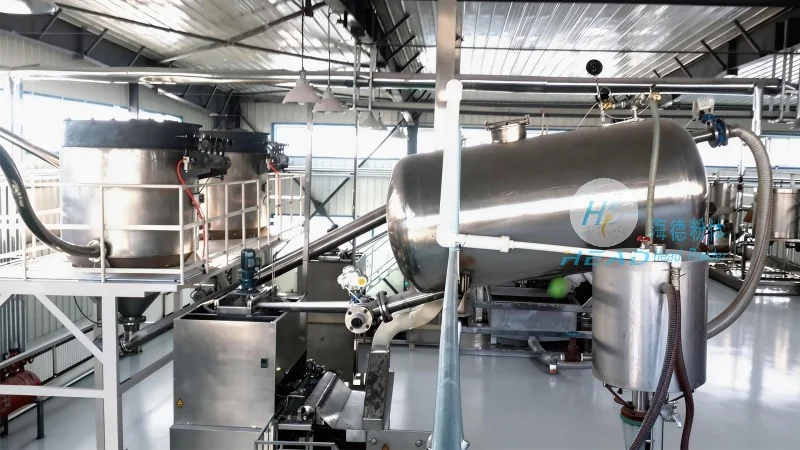
Overview of Aluminum Turnings Material Handling Systems
Aluminum turnings are small, irregularly shaped pieces of aluminum generated during machining, grinding, or other metalworking operations. These turnings are often collected in bins, hoppers, or containers and need to be moved to processing equipment such as furnaces, crushers, or recycling machines. Aluminum turnings material handling systems are engineered to handle these lightweight, abrasive materials while maintaining efficiency and safety. The systems typically consist of conveyors, feeders, and control mechanisms that work together to move the turnings through the production line.
Key Components and Their Functions
The aluminum turnings material handling system comprises several essential components, each playing a crucial role in the overall operation. The primary components include: (1) Hoppers or collection bins, which store the aluminum turnings before transport; (2) Feeder mechanisms, such as rotary or vibratory feeders, that regulate the flow of turnings from the hopper; (3) Conveying equipment, such as belt conveyors, screw conveyors, or pneumatic conveyors, that transport the turnings to the next stage; (4) Control systems, including sensors and controllers, that monitor and adjust the operation based on material levels and system performance; and (5) Safety features, such as guards and emergency stop buttons, to protect operators and equipment.
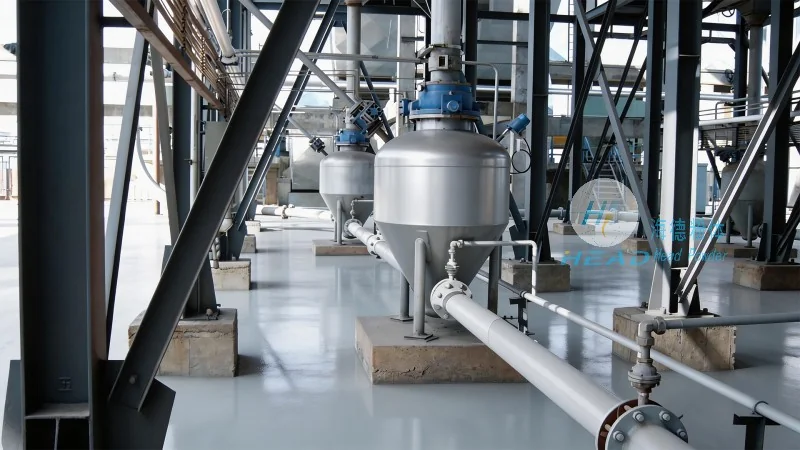
Operation Process of the Aluminum Turnings Material Handling System
The operation process of an aluminum turnings material handling system generally follows a sequential flow to ensure efficient material transport. The process begins with the collection of aluminum turnings in a hopper or storage bin. The hopper is typically equipped with a level sensor to detect the material level and trigger the feeder mechanism when the level reaches a predetermined threshold. The feeder then regulates the flow of turnings into the conveyor system. The conveyor transports the turnings to the processing equipment, such as a furnace or crusher, based on the production requirements. The control system continuously monitors the system's performance, adjusting the feeder speed or conveyor speed as needed to maintain a consistent flow rate. The entire process is automated, with minimal human intervention required, ensuring high throughput and reliability.
Working Principle of the Conveying Mechanism
The working principle of the conveying mechanism in an aluminum turnings material handling system depends on the type of conveyor used. For example, a belt conveyor operates by using a continuous belt that moves over rollers or pulleys. The belt is driven by a motor, and the turnings are placed on the belt, which transports them to the discharge point. The speed of the belt can be adjusted to control the flow rate of the turnings. A screw conveyor, on the other hand, uses a rotating screw to push the turnings along a tube. The screw's rotation creates a positive displacement, moving the material forward. The speed of the screw can be adjusted to regulate the material flow. Pneumatic conveyors use air pressure to transport the turnings through a pipeline. The system generates a pressure differential, drawing the turnings into the pipeline and moving them to the destination. Each type of conveyor has its advantages and is selected based on the specific requirements of the application, such as material characteristics, distance, and throughput.
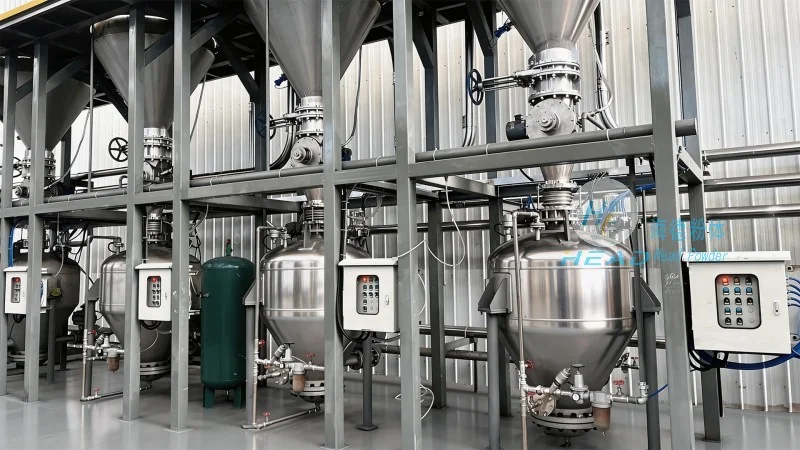
Control and Monitoring Systems
The control and monitoring systems are integral to the efficient operation of the aluminum turnings material handling system. These systems use sensors and controllers to monitor key parameters, including material level, conveyor speed, and system performance. The level sensors in the hopper detect when the material level is low and trigger the feeder to start. The speed sensors monitor the conveyor speed and adjust it if necessary to maintain a consistent flow rate. The control system also includes alarms and indicators to alert operators of any issues, such as blockages or low material levels. The use of programmable logic controllers (PLCs) allows for precise control and automation of the entire system, ensuring that it operates smoothly and reliably. The control system can be programmed to adjust the operation based on production schedules or changes in material characteristics, enhancing the system's adaptability and efficiency.
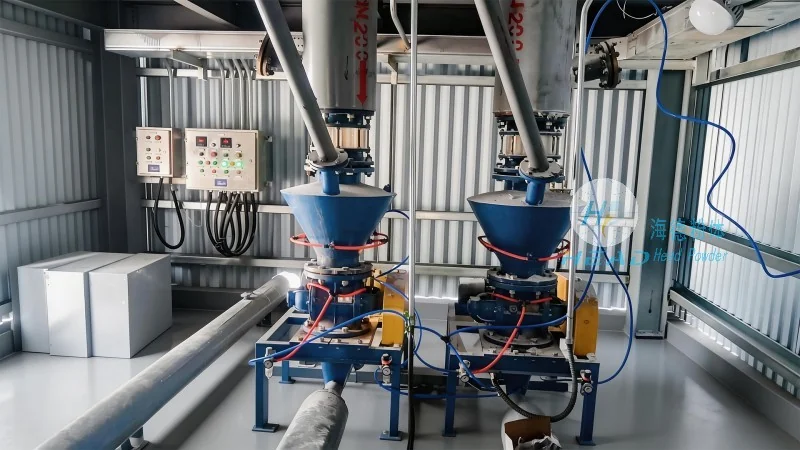
Benefits and Applications
Aluminum turnings material handling systems offer several benefits in industrial applications. These systems improve the efficiency of aluminum processing by ensuring a continuous and reliable supply of material to processing equipment. The automated operation reduces labor costs and minimizes the risk of human error. The systems are also designed to handle the abrasive nature of aluminum turnings, reducing equipment wear and extending the lifespan of components. The systems are widely used in aluminum recycling plants, foundries, and metalworking facilities where aluminum turnings need to be transported from collection points to processing equipment. The ability to handle large volumes of material at high speeds makes these systems essential for maintaining production throughput and meeting production targets.
Conclusion
In conclusion, aluminum turnings material handling systems are sophisticated and efficient solutions for transporting aluminum turnings in industrial settings. The operation process involves the coordinated action of hoppers, feeders, conveyors, and control systems, all working together to ensure smooth material transport. The working principles of the conveying mechanisms, such as belt, screw, or pneumatic conveyors, are tailored to the specific requirements of the application. The control and monitoring systems enhance the system's performance and reliability, making it an essential component in aluminum processing and recycling operations. As a leading provider of material handling solutions, Shandong HeadPowder Engineering Co., Ltd. specializes in designing and manufacturing high-quality aluminum turnings material handling systems that meet the diverse needs of industrial clients. With a focus on efficiency, reliability, and safety, these systems help businesses optimize their operations and achieve their production goals.