

Operation Process and Working Principle of Aluminum Turnings Pneumatic Conveying System Equipment
Aluminum turnings are a common byproduct in aluminum processing industries, and efficient handling of these materials is crucial for maintaining production efficiency and safety. The aluminum turnings pneumatic conveying system, developed by Shandong HeadPowder Engineering Co., Ltd., offers a reliable solution for transporting these lightweight, dusty materials over long distances. This article explores the operation process and working principle of such a system, highlighting its key components and the technology behind its functionality.
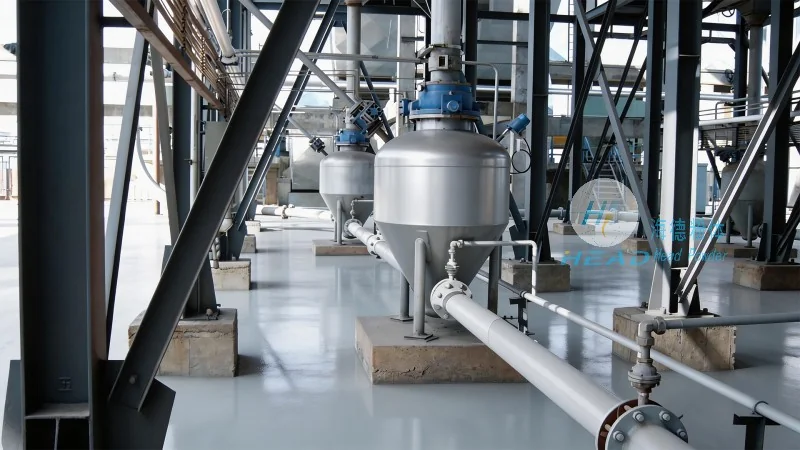
Overview of the Aluminum Turnings Pneumatic Conveying System
The aluminum turnings pneumatic conveying system is designed to transport aluminum turnings from a storage or processing point to a collection or processing unit using a combination of air pressure and vacuum. The system is typically composed of several key components, including a hopper, a rotary valve, a conveying pipeline, a dust collector, and a control system. Each component plays a critical role in ensuring the smooth and efficient operation of the entire system.
Key Components and Their Functions
1. **Hopper**: The hopper is the initial storage container where aluminum turnings are loaded. It is designed with a sloped bottom to facilitate the flow of material into the system. The hopper is equipped with a level indicator to monitor the material level and prevent overfilling.
2. **Rotary Valve (Airlock)**: The rotary valve, often referred to as an airlock, is located at the outlet of the hopper. Its primary function is to control the flow of aluminum turnings into the conveying pipeline while preventing air from escaping back into the hopper. This component ensures a consistent and controlled material feed.
3. **Conveying Pipeline**: The pipeline is the main channel through which aluminum turnings are transported. It is typically made of stainless steel or other corrosion-resistant materials to withstand the abrasive nature of aluminum turnings and the effects of air flow. The pipeline is designed with appropriate bends and elbows to guide the material to the desired destination.
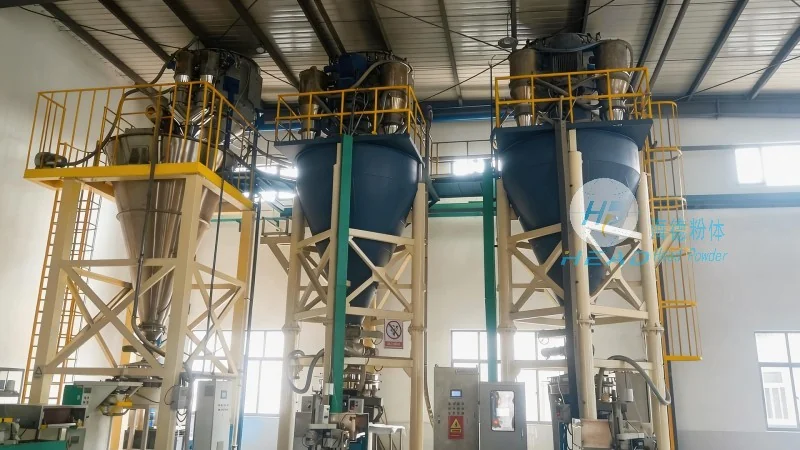
4. **Dust Collector**: A dust collector is integrated into the system to capture and remove airborne aluminum dust and particles. This is essential for maintaining a clean and safe working environment, as aluminum dust can be hazardous if inhaled. The dust collector uses filtration systems to separate the dust from the air, which is then released back into the environment after treatment.
5. **Control System**: The control system manages the operation of all components in the pneumatic conveying system. It includes sensors, valves, and a control panel that monitors parameters such as pressure, flow rate, and material level. The system can be programmed to operate automatically, ensuring consistent performance and minimizing the need for manual intervention.
The Operation Process of the System
The operation of the aluminum turnings pneumatic conveying system follows a systematic process that ensures efficient material transport. The process begins with the loading of aluminum turnings into the hopper. Once the hopper is filled, the rotary valve opens, allowing the material to flow into the conveying pipeline. Simultaneously, the control system activates the air compressor, which generates the necessary air pressure to move the material through the pipeline.
As the material travels through the pipeline, it is propelled by the high-velocity air stream. The air and material mixture moves through the bends and elbows of the pipeline, maintaining a consistent flow rate. At the receiving end, the material is discharged into a collection bin or processing unit. The control system continuously monitors the pressure and flow rate to ensure that the material is transported at the optimal speed, preventing blockages or excessive pressure buildup.
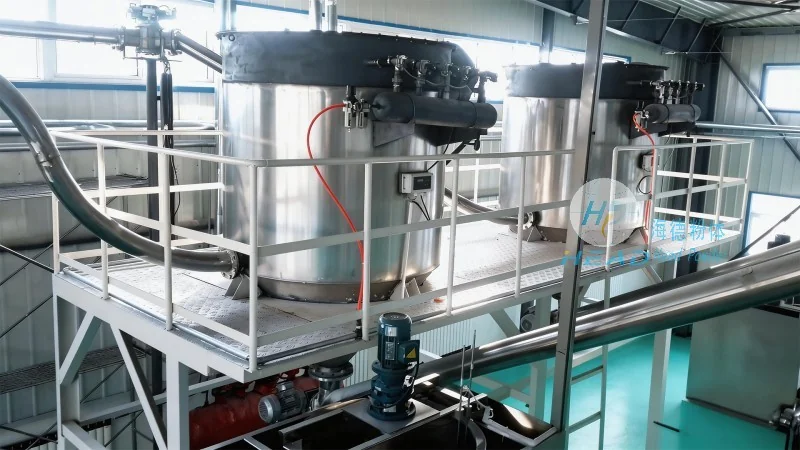
During the operation, the dust collector works in tandem with the conveying system. It captures any airborne dust generated by the movement of aluminum turnings, ensuring that the air released back into the environment is clean and safe. The control system also manages the dust collector's operation, ensuring that it operates efficiently and does not overload the filtration system.
Working Principle of the Pneumatic Conveying System
The working principle of the aluminum turnings pneumatic conveying system is based on the principles of fluid dynamics and particle transport. The system operates by creating a pressure differential between the inlet and outlet of the conveying pipeline. The air compressor generates high-pressure air that is introduced into the pipeline at the inlet. This high-pressure air creates a low-pressure zone at the outlet, which draws the aluminum turnings into the pipeline.
The air and material mixture travels through the pipeline at high velocity, with the air providing the necessary force to move the material. The size and density of the aluminum turnings affect the required air velocity and pressure. The system is designed to optimize these parameters to achieve the most efficient transport of the material.
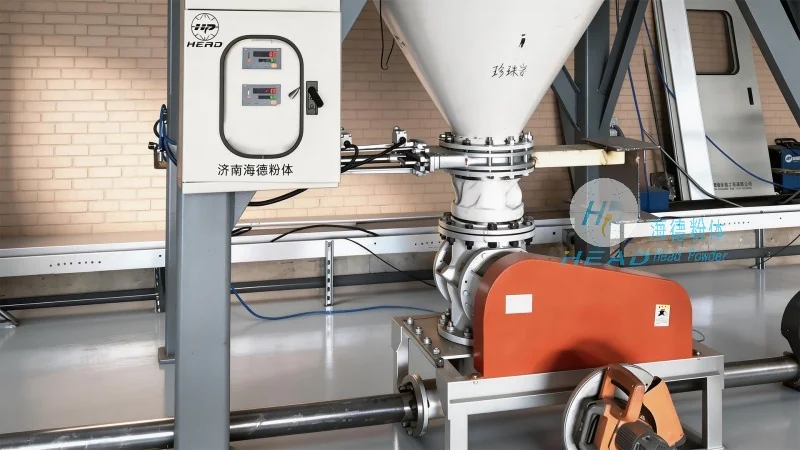
The rotary valve plays a crucial role in the working principle by controlling the flow of material into the pipeline. It ensures that the material is fed at a consistent rate, preventing the pipeline from becoming clogged or experiencing excessive pressure. The control system adjusts the air pressure and flow rate based on the material feed rate and pipeline conditions to maintain optimal performance.
Advantages of the Aluminum Turnings Pneumatic Conveying System
The aluminum turnings pneumatic conveying system offers several advantages over traditional material handling methods. One of the primary advantages is its ability to transport materials over long distances without the need for mechanical conveyors or elevators. This reduces the need for additional infrastructure and labor costs. Additionally, the system is highly flexible, allowing for changes in the material flow path without major modifications to the equipment.
The system also provides a clean and safe working environment by containing the material within the pipeline and using a dust collector to remove airborne particles. This reduces the risk of dust-related health issues and improves overall workplace safety. Furthermore, the system is energy-efficient, as it uses compressed air to transport the material, which can be more cost-effective than other methods, especially for long-distance transport.
In conclusion, the aluminum turnings pneumatic conveying system developed by Shandong HeadPowder Engineering Co., Ltd. is a reliable and efficient solution for handling aluminum turnings. The system's operation process and working principle are designed to ensure consistent and safe material transport, with key components working together to achieve optimal performance. The advantages of this system make it an ideal choice for aluminum processing industries looking to improve their material handling capabilities.