

Operation Process and Working Principle of Carbon Black Pneumatic Conveying System Equipment
Carbon black is a critical material in various industrial applications, including rubber, plastics, and pigments. Efficient and reliable transportation of carbon black from storage to processing units is essential for maintaining production efficiency and product quality. Pneumatic conveying systems have emerged as a preferred solution for handling carbon black due to their ability to transport powders in a dust-free, controlled environment. This article explores the operation process and working principle of carbon black pneumatic conveying system equipment, highlighting the key components, operational steps, and the role of Shandong HeadPowder Engineering Co., Ltd. in providing advanced solutions for this industry.
Key Components of a Carbon Black Pneumatic Conveying System
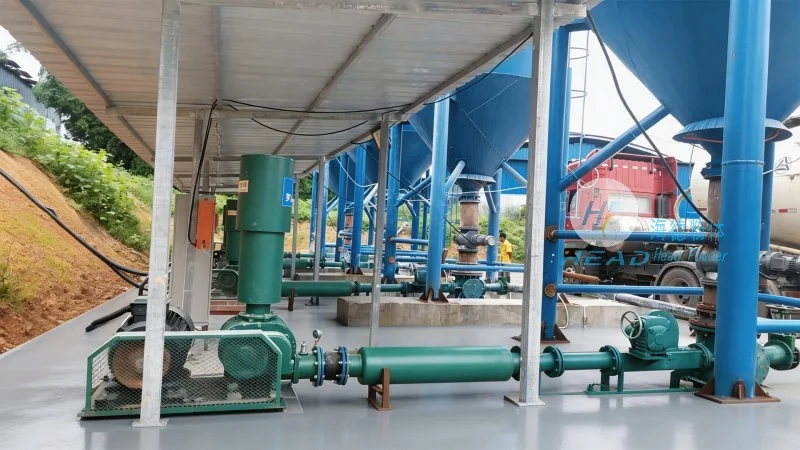
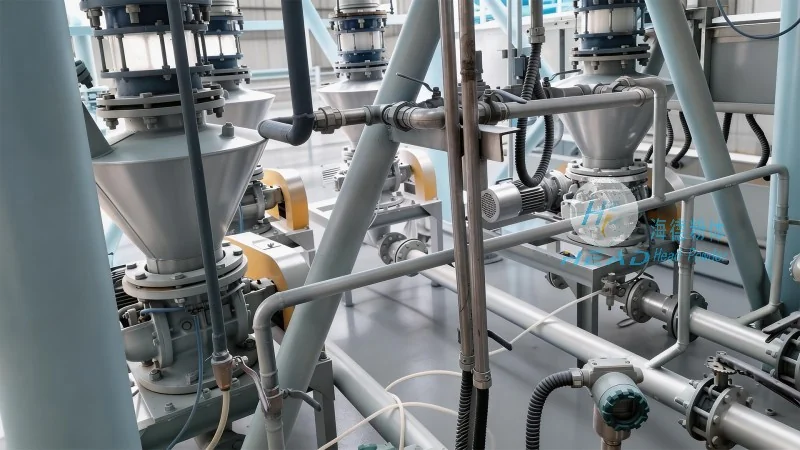
The carbon black pneumatic conveying system consists of several essential components that work in tandem to ensure smooth material transport. These components include the hopper or storage silo, feeder, air compressor, conveying pipeline, control system, and discharge equipment. Each component plays a crucial role in the overall operation of the system. The hopper or storage silo is designed to store the carbon black material, providing a consistent feed to the feeder. The feeder, typically a rotary valve or a screw feeder, regulates the flow of carbon black into the conveying line. The air compressor generates the necessary air pressure to move the material through the pipeline. The conveying pipeline, often made of stainless steel or other corrosion-resistant materials, ensures the material is transported without degradation. The control system monitors and adjusts the pressure, flow rate, and other parameters to maintain optimal operation. Finally, the discharge equipment, such as a rotary valve or a dust collector, receives the carbon black at the destination point.
Operation Process of Carbon Black Pneumatic Conveying System
The operation of a carbon black pneumatic conveying system involves several sequential steps that ensure the material is transported safely and efficiently. The process typically begins with the carbon black being stored in the hopper or silo. The feeder then starts to discharge the material into the conveying pipeline at a controlled rate. Simultaneously, the air compressor supplies compressed air to the pipeline, creating a pressure differential that propels the carbon black particles forward. As the material travels through the pipeline, it is suspended in the air stream, preventing caking and agglomeration. The conveying system continues to transport the carbon black until it reaches the discharge point, where the material is collected and prepared for further processing. The entire process is monitored by the control system, which adjusts the air pressure and flow rate as needed to maintain consistent performance. The operation is typically automated, with minimal human intervention required, ensuring high efficiency and reliability.
Working Principle of Carbon Black Pneumatic Conveying System
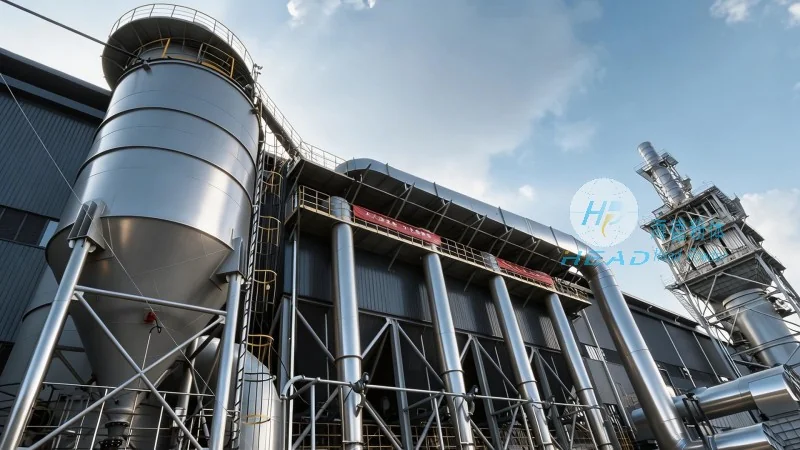
The working principle of a carbon black pneumatic conveying system is based on the principles of fluid dynamics and particle transport. The system uses compressed air to create a flow of air through the conveying pipeline, which carries the carbon black particles along with it. The key to efficient conveying is maintaining a sufficient air velocity to keep the particles suspended in the air stream. This velocity is determined by the particle size, density, and the diameter of the pipeline. The system operates under either positive pressure or negative pressure (vacuum) depending on the application. Positive pressure systems are commonly used for long-distance or high-capacity conveying, as they can maintain a consistent pressure throughout the pipeline. Negative pressure systems, on the other hand, are suitable for short-distance conveying or when the material needs to be transported from a lower to a higher elevation. The control system continuously monitors the pressure and flow rate to ensure the system operates within the optimal range, preventing issues such as blockages or excessive energy consumption.
Role of Shandong HeadPowder Engineering Co., Ltd. in Carbon Black Pneumatic Conveying
Shandong HeadPowder Engineering Co., Ltd., operating under the brand name headpowder, is a leading provider of advanced carbon black pneumatic conveying system equipment. The company specializes in designing, manufacturing, and installing customized solutions tailored to the specific needs of carbon black processing facilities. With a strong focus on quality and innovation, headpowder ensures that their systems meet the highest industry standards. The company's expertise lies in integrating the latest technologies, such as advanced control systems and corrosion-resistant materials, to enhance the performance and longevity of the equipment. By leveraging their extensive experience in the industry, headpowder offers comprehensive support, from initial consultation and system design to installation and after-sales service. The company's commitment to customer satisfaction and operational efficiency has made them a trusted partner for many carbon black manufacturers worldwide.
Benefits of Using Carbon Black Pneumatic Conveying Systems
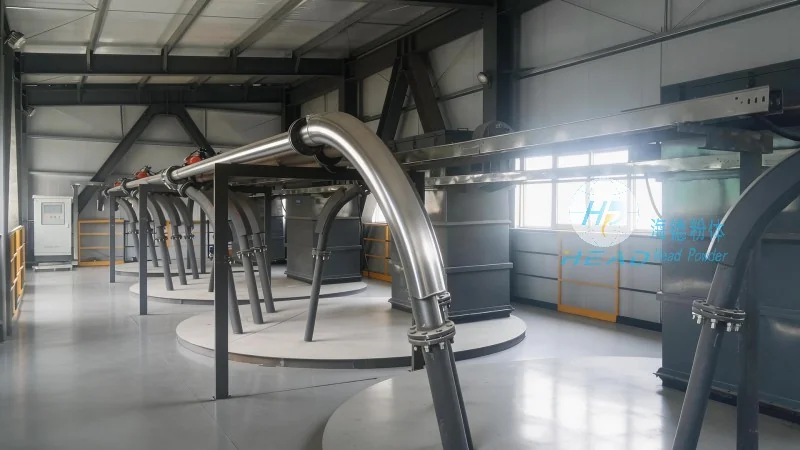
Implementing a carbon black pneumatic conveying system offers numerous benefits for industrial operations. One of the primary advantages is the ability to transport carbon black in a dust-free environment, which improves workplace safety and reduces the risk of respiratory issues among workers. Additionally, the system minimizes material loss and contamination, ensuring that the carbon black reaches its destination with minimal degradation. The automated operation of the system reduces labor costs and increases production efficiency, as it eliminates the need for manual handling and reduces downtime. Furthermore, the system can be easily integrated with existing processing lines, allowing for seamless material flow. The energy efficiency of pneumatic conveying systems is also a significant benefit, as they consume less energy compared to traditional methods like bucket elevators or belt conveyors. Overall, the adoption of carbon black pneumatic conveying systems leads to improved operational performance, reduced maintenance costs, and enhanced product quality.
Conclusion
In conclusion, the operation process and working principle of carbon black pneumatic conveying system equipment are critical for efficient material handling in the carbon black industry. The system's components, operational steps, and working principles work together to ensure reliable and safe transportation of carbon black. Shandong HeadPowder Engineering Co., Ltd. plays a vital role in providing advanced solutions that meet the evolving needs of the industry. By understanding the benefits and proper operation of these systems, manufacturers can enhance their production processes and achieve higher levels of efficiency and productivity. As the demand for carbon black continues to grow, the importance of reliable pneumatic conveying systems will only increase, making them an essential investment for any carbon black processing facility.