

Operation Process and Working Principle of Aggregate Pneumatic Conveying System Equipment
For industries dealing with bulk materials, efficient and reliable material handling is crucial. The aggregate pneumatic conveying system equipment, provided by Shandong HeadPowder Engineering Co., Ltd., offers a sophisticated solution for transporting aggregates such as sand, gravel, and other granular materials. This article delves into the operation process and working principle of these systems, highlighting their key components and operational dynamics.
Introduction to Aggregate Pneumatic Conveying Systems
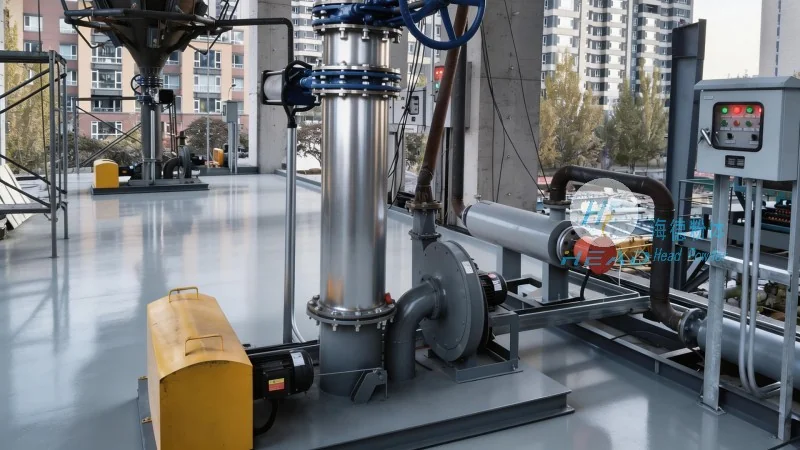
Aggregate pneumatic conveying systems are designed to transport bulk materials through a pipeline using air as the conveying medium. Unlike traditional mechanical conveying methods, these systems utilize pressure or vacuum to move materials, making them ideal for applications where dust control, minimal product degradation, and flexible routing are essential. The system is composed of several key components, including a hopper, feeder, air compressor, conveying line, and receiver. Each component plays a vital role in ensuring smooth and efficient material transport.
Key Components of the System
The hopper serves as the storage container for the aggregate, allowing for controlled feeding into the system. It is typically equipped with a discharge valve to regulate the flow of material. The feeder, often a rotary valve or a screw feeder, ensures a consistent and controlled flow of material from the hopper into the conveying line. The air compressor generates the necessary pressure or vacuum to move the material through the pipeline. The conveying line, usually made of stainless steel or other corrosion-resistant materials, is designed to withstand the pressure and abrasion from the material. The receiver is the final container where the material is deposited after being conveyed.
Operation Process of the Aggregate Pneumatic Conveying System
The operation process of the aggregate pneumatic conveying system involves several sequential steps. First, the aggregate is loaded into the hopper. The feeder then regulates the flow of material into the conveying line. Simultaneously, the air compressor generates the required air pressure. The air and material are mixed in the conveying line, and the combined flow moves the material towards the receiver. The receiver collects the conveyed material, and the system continues to operate as long as the material is being fed and the air compressor is active. The entire process is automated, with controls that monitor pressure, flow rate, and material level to ensure optimal performance.
Working Principle of the System
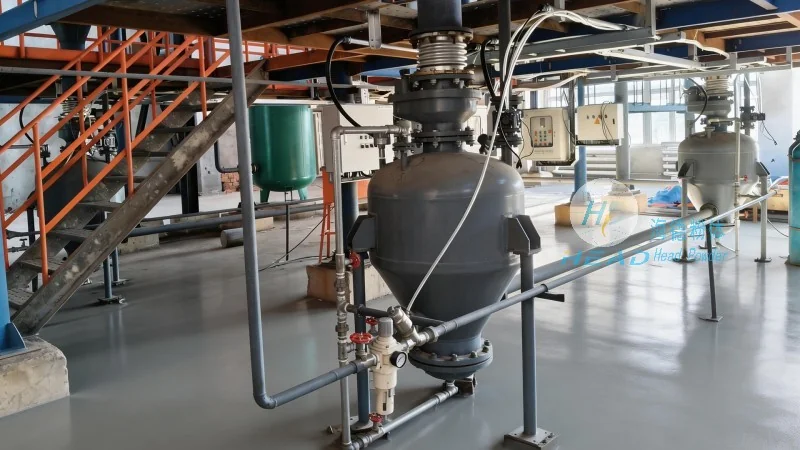
The working principle of the aggregate pneumatic conveying system is based on the principles of fluid dynamics and particle transport. In a pressure system, the air compressor increases the air pressure inside the conveying line, which forces the material to move along with the air. The material is suspended in the air stream, and the pressure differential between the hopper and the receiver drives the flow. In a vacuum system, the air compressor creates a vacuum at the receiver end, drawing the material and air through the conveying line. The material is carried by the air stream and deposited at the receiver. The system's efficiency depends on the air velocity, material size, and the design of the conveying line. Proper design ensures that the material is fully suspended and transported without clogging or excessive wear on the system components.
Advantages of Using Aggregate Pneumatic Conveying Systems
Shandong HeadPowder Engineering Co., Ltd. offers aggregate pneumatic conveying systems that provide several advantages over traditional conveying methods. These include reduced dust generation, as the material is enclosed in the pipeline, minimizing environmental impact. The systems also offer flexibility in routing, allowing for changes in the material transport path without major modifications. Additionally, the systems are compact and require less space compared to mechanical conveyors. The automated operation reduces labor costs and improves safety by minimizing human interaction with the material handling process. The systems are also capable of handling a wide range of materials, from fine powders to large aggregates, making them versatile for various industrial applications.
Applications in Different Industries
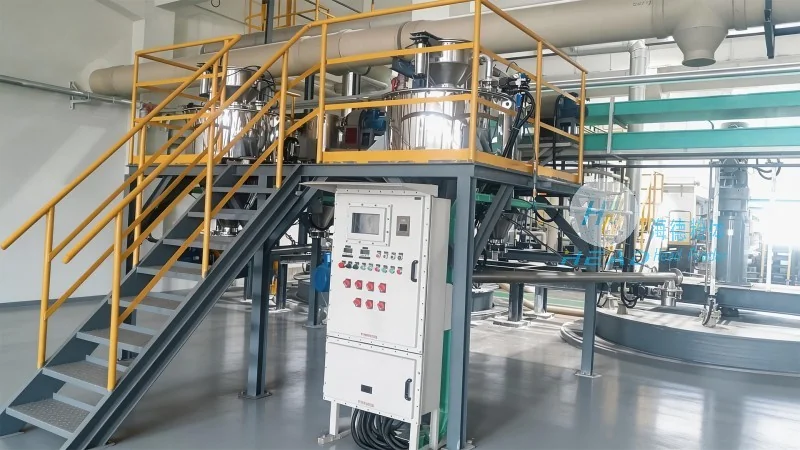
The aggregate pneumatic conveying systems from Shandong HeadPowder Engineering Co., Ltd. are widely used in various industries. In the construction industry, these systems are used to transport sand, gravel, and other aggregates from storage to mixing plants or construction sites. In the mining industry, they are employed to move ore and other bulk materials from processing facilities to storage or transportation points. The systems are also used in the chemical and food industries for transporting granular materials that require dust control and minimal contamination. The versatility of the system makes it suitable for a wide range of applications, ensuring efficient material handling in different industrial settings.
Maintenance and Operational Considerations
Proper maintenance is essential to ensure the longevity and efficiency of the aggregate pneumatic conveying system. Regular inspection of the conveying line for wear and tear, cleaning of the hopper and feeder to prevent material buildup, and checking the air compressor for proper operation are crucial. The system should be operated within the recommended pressure and flow rates to avoid damage to components. Additionally, the use of appropriate filters and separators can help maintain the quality of the conveyed material and prevent clogging. By following proper maintenance procedures, the system can operate efficiently for extended periods, providing reliable material transport for industrial applications.
Conclusion
Aggregate pneumatic conveying systems, as offered by Shandong HeadPowder Engineering Co., Ltd., are advanced solutions for efficient and reliable bulk material handling. The system's operation process and working principle, based on fluid dynamics and automated controls, ensure smooth and controlled transport of aggregates. With its advantages in dust control, flexibility, and efficiency, the system is suitable for various industrial applications. Proper maintenance and operational considerations are essential to maximize the system's performance and lifespan. As a leading provider in the industry, Shandong HeadPowder Engineering Co., Ltd. continues to innovate and provide high-quality aggregate pneumatic conveying systems that meet the needs of modern industrial operations.