

Operating Process and Working Principle of Red Bean Pneumatic Conveying System Equipment
Pneumatic conveying systems are critical in modern material handling and processing industries, enabling efficient and safe transport of bulk materials over long distances. These systems utilize air pressure to move powders, granules, and other particulate materials from one location to another, offering advantages such as reduced contamination, minimal product degradation, and the ability to handle a wide range of materials. The Red Bean Pneumatic Conveying System, developed by Shandong HeadPowder Engineering Co., Ltd., represents a sophisticated solution tailored to meet the demands of various industrial applications.
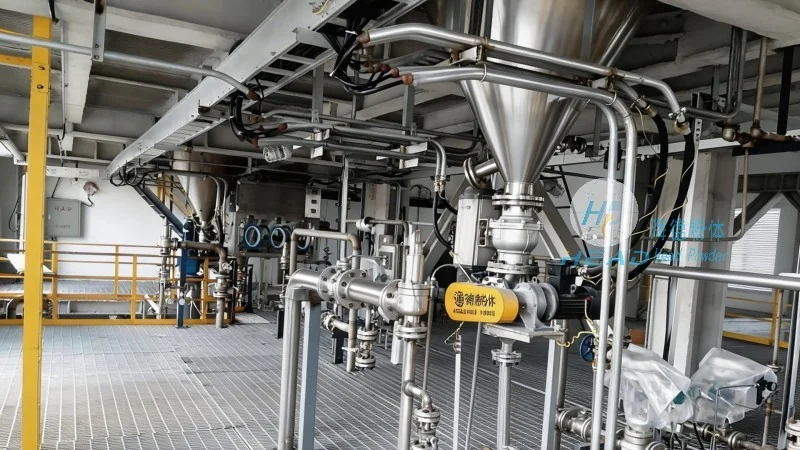
Company Overview: Shandong HeadPowder Engineering Co., Ltd.
HeadPowder, as the company is commonly known, is a leading manufacturer and supplier of advanced material handling equipment. With a strong presence in China, particularly in Shandong province, the company has built a reputation for innovation, quality, and customer-centric solutions. HeadPowder specializes in designing and manufacturing pneumatic conveying systems, as well as other industrial equipment tailored to the needs of clients in sectors like food processing, pharmaceuticals, chemicals, and more. The company's commitment to research and development ensures that its products remain at the forefront of technology, providing reliable and efficient solutions for material transport challenges.
Key Components of the Red Bean Pneumatic Conveying System
The Red Bean Pneumatic Conveying System comprises several essential components that work in harmony to achieve effective material transport. These components include the hopper or feed hopper, which holds the material to be conveyed; the air compressor or blower, which generates the necessary air pressure; the conveying line, typically made of metal or flexible tubing, which transports the material and air mixture; the control system, which regulates the flow of air and material; and the discharge unit, where the material is released at the destination. Each component is carefully designed and manufactured to ensure optimal performance and durability, contributing to the overall efficiency of the system.
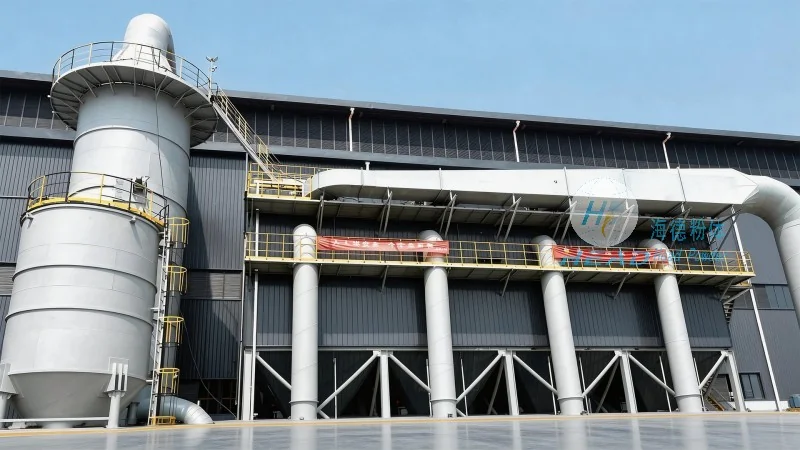
The Operating Process of the Red Bean Pneumatic Conveying System
The operation of the Red Bean Pneumatic Conveying System follows a systematic process that ensures smooth and continuous material transport. The process begins with the material being fed into the hopper from a storage silo or other source. The control system then activates the air compressor, which generates a flow of air at a specific pressure and volume. As the air flows through the conveying line, it creates a pressure differential that draws the material from the hopper into the line. The material is then carried along with the air stream, forming a slurry or dilute phase flow, depending on the system design. The conveying line may include bends, elbows, or other fittings that guide the material to the discharge point. At the destination, the air is separated from the material, often through a cyclone separator or other air filtration system, and the material is collected in a receiving container. The control system continuously monitors the flow rate, pressure, and other parameters to maintain optimal operation and prevent issues such as blockages or overloading.
Working Principle of the Pneumatic Conveying System
The working principle of the Red Bean Pneumatic Conveying System is based on the fundamental concept of fluidization and transport of particulate materials using air as the conveying medium. When air is introduced into the conveying line at a sufficient velocity, it creates a turbulent flow that lifts and transports the material particles. The key to efficient operation lies in maintaining the correct air-to-material ratio, which ensures that the material remains suspended in the air stream without settling or clogging the system. The system operates in either positive pressure or negative pressure mode, depending on the application and material characteristics. In positive pressure systems, air is forced through the conveying line, pushing the material forward. In negative pressure systems, air is drawn out of the system, creating a vacuum that pulls the material into the line. The Red Bean system is typically designed as a positive pressure system, which is ideal for applications requiring high material throughput and minimal contamination.
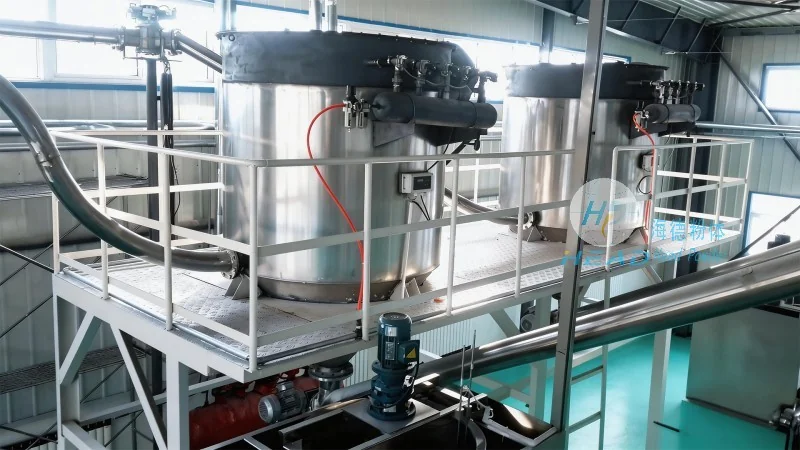
Advantages of the Red Bean Pneumatic Conveying System
The Red Bean Pneumatic Conveying System offers several advantages that make it a preferred choice for industrial material handling. First, it provides a clean and hygienic method of transporting materials, as the system is enclosed and prevents contamination from external sources. This is particularly important in industries such as food and pharmaceuticals, where product purity is critical. Second, the system is highly efficient, with minimal energy consumption compared to traditional mechanical conveying methods. The use of air as the conveying medium reduces wear and tear on equipment, leading to lower maintenance costs and longer equipment life. Third, the system is flexible and can be customized to suit various material types and application requirements. HeadPowder offers a range of configurations, including dilute phase and dense phase systems, to accommodate different material properties and transport distances. Fourth, the system is safe and reliable, with built-in safety features such as pressure relief valves and emergency stop buttons to prevent accidents and ensure smooth operation.
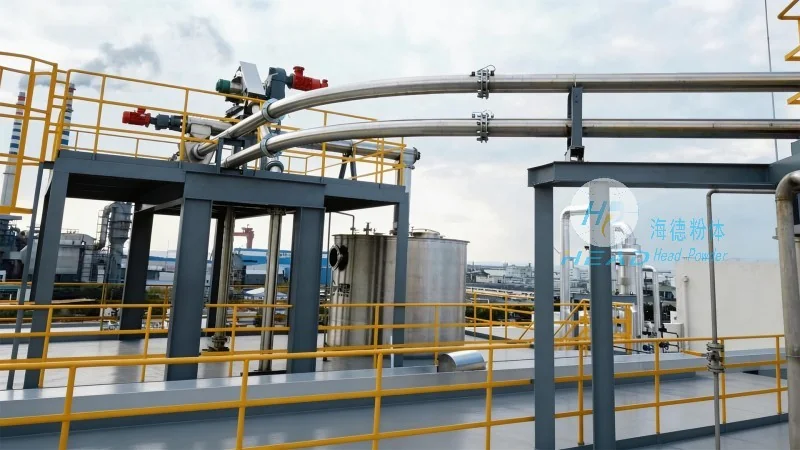
Applications and Industries Served by the Red Bean System
The Red Bean Pneumatic Conveying System is widely used in various industries due to its versatility and efficiency. In the food industry, it is used to transport ingredients such as flour, sugar, and spices, as well as finished products like coffee and tea. The system's hygienic design ensures that the materials remain free from contamination, meeting the strict standards of food safety regulations. In the pharmaceutical industry, the system is used to transport active pharmaceutical ingredients (APIs), excipients, and finished dosage forms, maintaining the purity and integrity of the products. The system's ability to handle sensitive materials without degradation makes it ideal for pharmaceutical applications. In the chemical industry, the system is used to transport powders and granules such as fertilizers, chemicals, and pigments, ensuring safe and efficient transport. The system's robust construction and ability to handle abrasive materials make it suitable for harsh chemical environments. In the agricultural industry, the system is used to transport grains, seeds, and other agricultural products, facilitating efficient storage and processing. The system's flexibility and adaptability make it a valuable asset in agricultural processing facilities.
Maintenance and Troubleshooting for the Red Bean System
Proper maintenance is essential to ensure the long-term performance and reliability of the Red Bean Pneumatic Conveying System. Regular maintenance tasks include checking and replacing air filter elements, inspecting the conveying line for wear or damage, cleaning the hopper and discharge unit, and lubricating moving parts. The control system should be monitored regularly to ensure that it is functioning correctly and that all parameters are within the specified range. In case of system issues, such as blockages or pressure drops, the troubleshooting process should be followed systematically. Common issues include clogged filters, air leaks, or material buildup in the conveying line. By addressing these issues promptly, the system can be restored to optimal operation, minimizing downtime and maximizing productivity. HeadPowder provides comprehensive maintenance and support services to help clients maintain their systems in top condition.