

Principle and Working Scene Characteristics of Cement Auxiliary Powder Pneumatic Conveying Equipment
HeadPowder, a leading manufacturer based in Shandong, China, specializes in the design and production of advanced pneumatic conveying systems for cement auxiliary powders. This article explores the fundamental principles behind these systems and highlights the key characteristics of their operational environments.
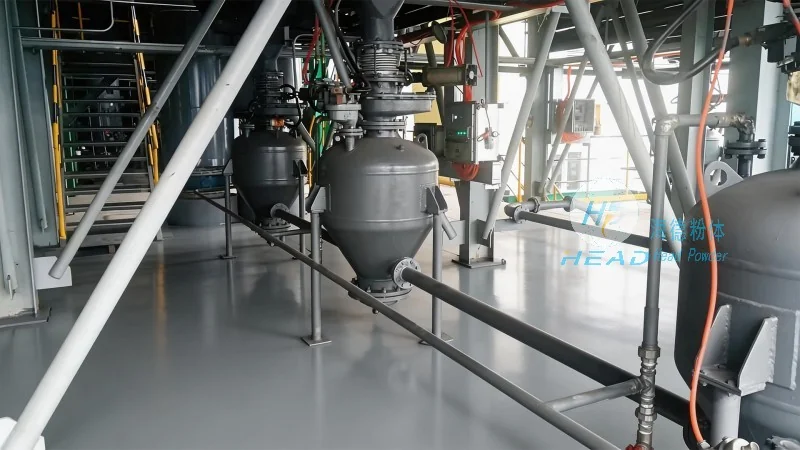
Understanding the Core Principle of Pneumatic Conveying
The pneumatic conveying equipment for cement auxiliary powders operates on the principle of using compressed air to transport bulk materials. Unlike traditional mechanical conveyors, this method relies on air pressure to move powders through a pipeline network. The system typically consists of a hopper, a blower, and a series of pipes, with the material being fed into the system and then carried by the air flow to the destination. This process is highly efficient for handling fine powders such as limestone, gypsum, and other additives commonly used in cement production.
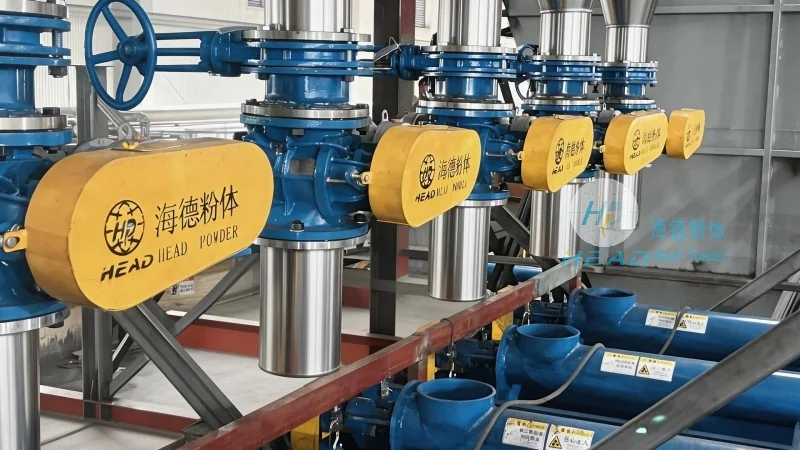
Key Working Scene Characteristics
The operational environment of these pneumatic conveying systems is tailored to the demands of cement manufacturing facilities. These systems are designed to handle high volumes of material with minimal maintenance, ensuring consistent performance in industrial settings. The equipment is often integrated into existing production lines, allowing for seamless material transfer from storage silos to mixing and processing units. Additionally, the systems are engineered to minimize dust emissions and maintain air quality, which is crucial for compliance with environmental regulations in modern cement plants.
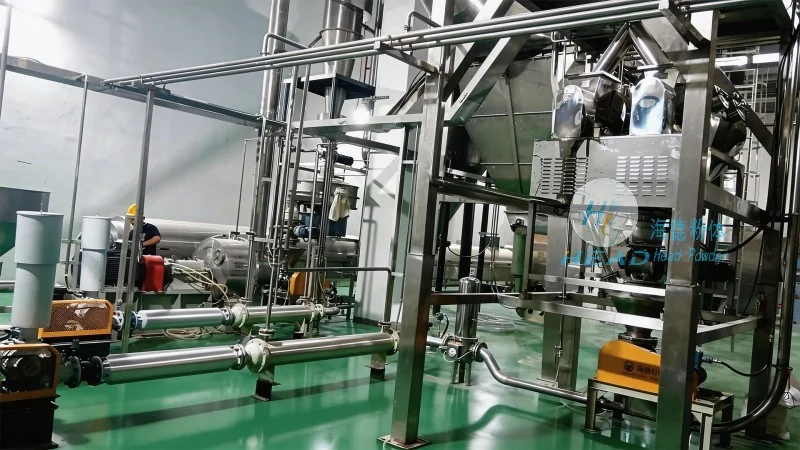
Application in Cement Production Workflows
In the context of cement production, the pneumatic conveying of auxiliary powders is a critical step that directly impacts the quality and efficiency of the final product. The systems from HeadPowder are specifically engineered to handle the unique properties of cement additives, including their fine particle size and potential for dust generation. By utilizing advanced control systems and material handling technologies, these conveyors ensure precise dosing and consistent material flow, which are essential for maintaining the uniformity of cement blends. The working scenes typically involve large-scale industrial operations where reliability and durability are paramount, making the equipment a vital component of modern cement manufacturing processes.
Advantages in Industrial Material Handling
Compared to traditional methods like belt conveyors or bucket elevators, pneumatic conveying offers several advantages in the handling of cement auxiliary powders. These include reduced material degradation due to less mechanical friction, lower energy consumption, and the ability to transport materials over longer distances without the need for multiple transfer points. The systems are also highly adaptable, allowing for integration with various production stages and easy expansion as production needs grow. Furthermore, the enclosed pipeline design helps in maintaining material integrity and preventing contamination, which is vital for maintaining product quality in cement applications.
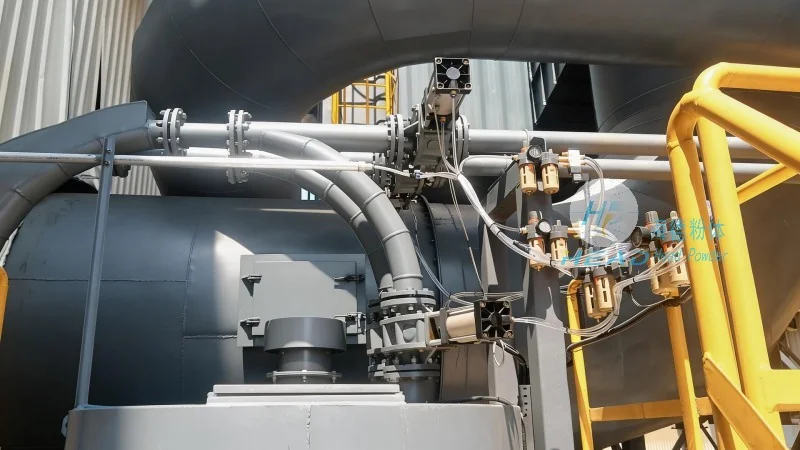
Conclusion on Working Scene and Operational Efficiency
Overall, the pneumatic conveying equipment for cement auxiliary powders, as offered by Shandong HeadPowder Engineering Co., Ltd., represents a sophisticated solution for modern industrial material handling. The systems are designed to meet the demanding requirements of cement production, providing reliable, efficient, and environmentally friendly material transfer solutions. By understanding the core principles and operational characteristics of these systems, cement manufacturers can optimize their production processes and enhance overall operational efficiency.