

Principles and Working Scene Characteristics of Vinyl Ester Resin Material Conveying Lines
HeadPowder, a leading provider in the field, specializes in the design and implementation of vinyl ester resin material conveying systems. These systems are engineered to efficiently transport vinyl ester resin, a high-performance polymer known for its excellent chemical resistance and mechanical properties. The core of such systems lies in understanding the principles that govern their operation and the specific working environments where they excel. This article delves into the fundamental principles of vinyl ester resin material conveying lines and highlights the key characteristics of their working scenes, providing a comprehensive overview for industry professionals.
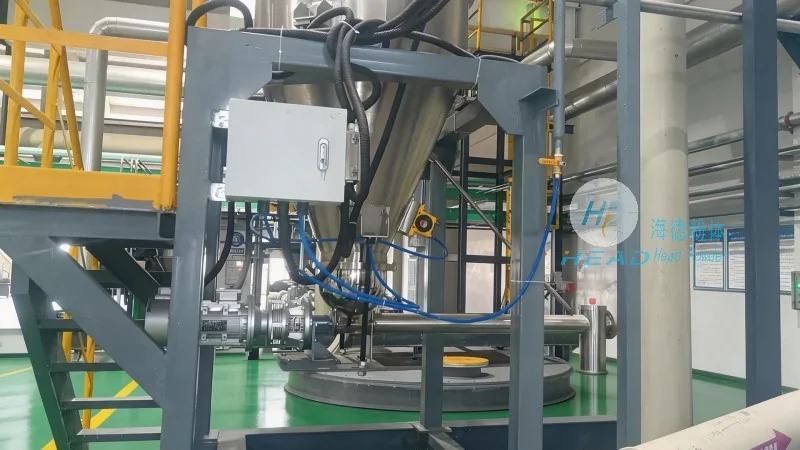
Principles of Vinyl Ester Resin Material Conveying Lines
The operation of vinyl ester resin material conveying lines is based on several key principles that ensure efficient and reliable material transport. First, the system utilizes advanced pumping mechanisms, typically including high-pressure pumps or positive displacement pumps, to move the viscous resin through pipelines. These pumps are designed to handle the specific rheological properties of vinyl ester resin, which can vary depending on temperature and additives. Second, the conveying lines are constructed with materials that are chemically compatible with vinyl ester resin, such as specialized plastics or metal alloys, to prevent degradation or contamination. Third, the system incorporates temperature control and monitoring components to maintain the resin within its optimal processing range, as temperature fluctuations can significantly affect viscosity and flow characteristics. Finally, the design incorporates safety features, including pressure relief valves and leak detection systems, to ensure operational safety and compliance with industrial standards.
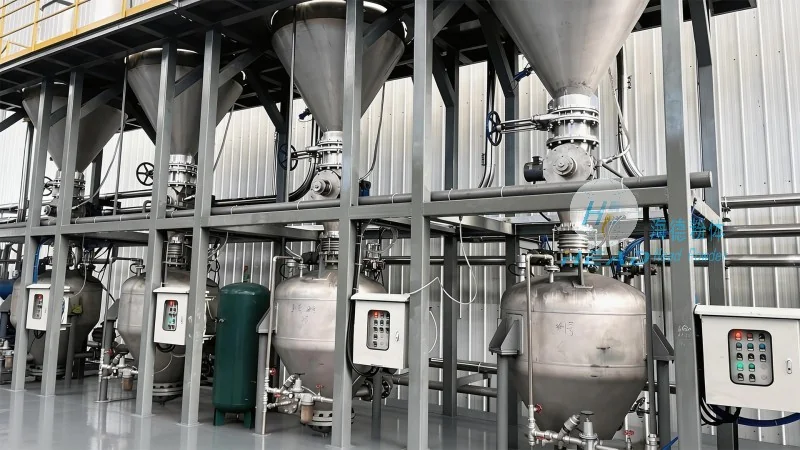
Working Scene Characteristics of Vinyl Ester Resin Material Conveying Lines
Vinyl ester resin material conveying lines are widely used in various industrial applications, each with distinct characteristics that define their working environments. One common application is in the manufacturing of composite materials, where the resin is transported to mixing or molding stations. In this scenario, the system operates in a controlled factory environment, often with automated processes that integrate the conveying line with other production equipment. The working scene is characterized by precision and consistency, as the resin must be delivered to the mixing area at a specific viscosity and temperature to ensure uniform composite properties. Another application is in the chemical processing industry, where the resin is used as a protective coating or in the production of specialty chemicals. Here, the conveying line may operate in a more rugged environment, with exposure to corrosive substances or varying temperatures, requiring robust construction and durable materials. Additionally, the system may be used in research and development settings, where the resin is transported to laboratory-scale reactors or testing equipment. In these working environments, the focus is on flexibility and adaptability, allowing for the handling of small batches or experimental formulations. Each of these working environments demands specific design considerations, such as the choice of pump type, pipeline material, and control systems, to optimize performance and reliability.
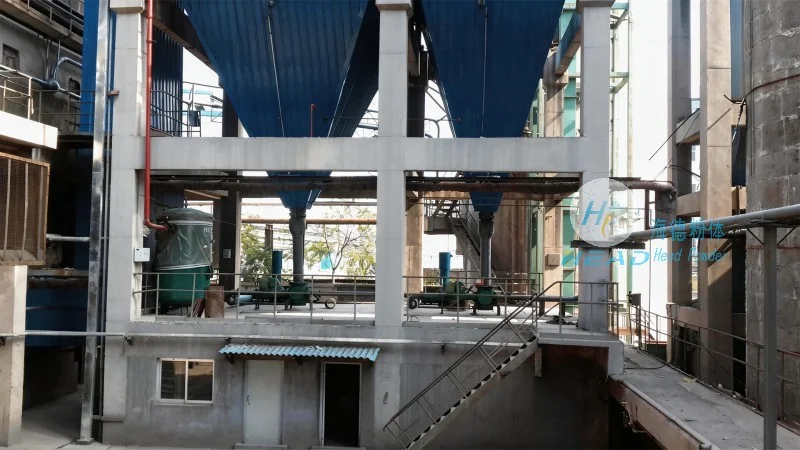
Key Features and Benefits of Vinyl Ester Resin Material Conveying Lines
HeadPowder's vinyl ester resin material conveying lines are equipped with several key features that enhance their performance and usability. One notable feature is the integration of real-time monitoring systems, which provide continuous data on resin flow rate, pressure, and temperature. This allows operators to quickly identify and address any deviations from optimal conditions, minimizing downtime and ensuring consistent product quality. Another feature is the use of advanced sealing technology, which prevents leaks and maintains the integrity of the resin during transport. This is particularly important for vinyl ester resin, as it is sensitive to contamination and can degrade if exposed to air or moisture. Additionally, the systems are designed for easy maintenance and cleaning, with removable components that can be quickly disassembled and sanitized. This reduces the time and cost associated with routine maintenance and ensures that the system remains in optimal condition. The benefits of these features are significant, as they contribute to improved efficiency, reduced operational costs, and enhanced product quality. By leveraging these advanced capabilities, industries can achieve higher productivity and better control over their production processes.
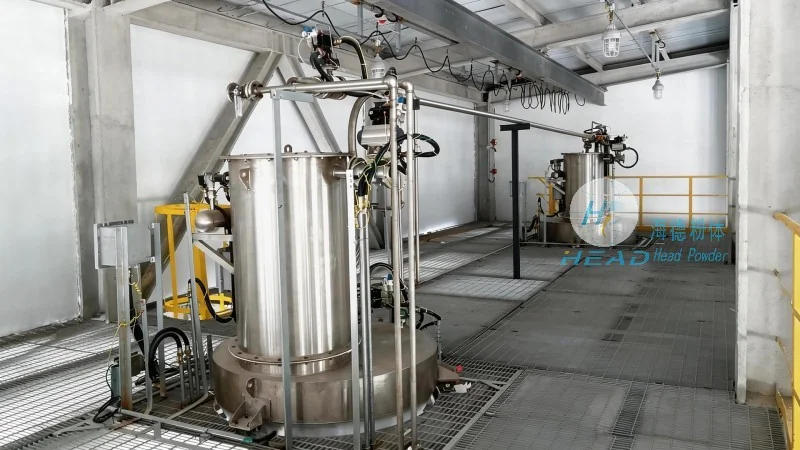
Conclusion and Application Outlook
In conclusion, vinyl ester resin material conveying lines are essential components in the processing of high-performance vinyl ester resin. The principles underlying their operation, combined with the specific characteristics of their working environments, make them a critical technology in various industrial sectors. HeadPowder's expertise in designing and implementing these systems ensures that clients receive solutions tailored to their specific needs, whether in composite manufacturing, chemical processing, or research applications. As industries continue to demand higher performance and reliability from their materials handling systems, the importance of well-designed vinyl ester resin material conveying lines will only grow. By adhering to the principles of efficient pumping, compatible materials, and precise control, these systems provide a reliable foundation for the production of high-quality products. The future of vinyl ester resin processing is likely to see further advancements in system design, with continued focus on improving efficiency, reducing costs, and enhancing product quality. HeadPowder remains committed to delivering innovative solutions that meet the evolving needs of the industry, ensuring that vinyl ester resin material conveying lines continue to play a vital role in modern manufacturing.