

Principle and Working Scene Characteristics of Powder Bin Pneumatic Conveying Systems
HeadPowder, a leading manufacturer based in Shandong, China, specializes in the design and production of advanced powder bin pneumatic conveying systems. These systems are integral to modern industrial processes, offering efficient and reliable methods for transporting bulk powders. This article explores the fundamental principles behind these systems and highlights the key characteristics of their operational scenarios.
Understanding the Core Principle of Powder Bin Pneumatic Conveying
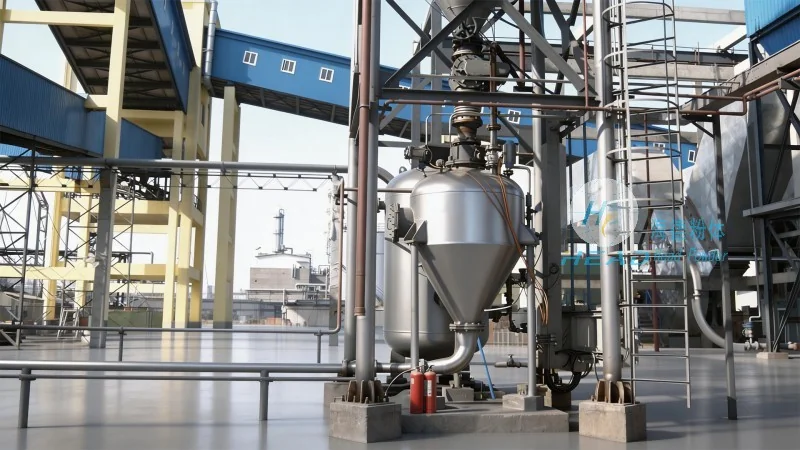
The principle of powder bin pneumatic conveying systems revolves around the use of compressed air or other gases to transport dry powders from a storage bin to a processing or packaging location. This method, also known as pneumatic conveying, leverages the kinetic energy of the gas to move the powder particles through a pipeline. The system typically consists of a hopper or powder bin, a conveying line, a control valve, and a receiver or destination container. The process begins when the powder is released from the bin, often under the influence of a feeder or a pressure differential, and is then entrained by the moving air stream. This entrainment allows the powder to be transported through the pipeline with minimal loss and high efficiency. The choice of conveying method—such as pressure or vacuum systems—depends on factors like the powder's properties, the distance to be covered, and the required flow rate. Pressure systems use compressed air to push the powder, while vacuum systems use suction to draw it. Both approaches are designed to maintain the integrity of the powder and ensure smooth operation.
Key Working Scene Characteristics of Powder Bin Pneumatic Conveying Systems
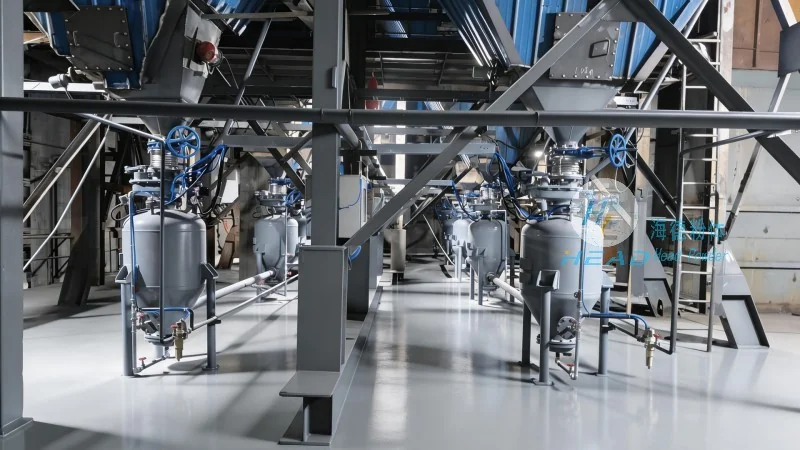
The operational characteristics of powder bin pneumatic conveying systems are tailored to meet the diverse needs of various industrial applications. These systems are widely used in sectors such as pharmaceuticals, food processing, chemical manufacturing, and cement production, where the handling of fine or abrasive powders is critical. One of the primary advantages is their ability to handle a wide range of powder types, from free-flowing materials like flour to cohesive or sticky powders like sugar or pharmaceutical powders. The system's design allows for flexible configurations, enabling it to adapt to different plant layouts and production requirements. For instance, in a pharmaceutical facility, the system must comply with stringent hygiene standards, featuring stainless steel components and sealed connections to prevent contamination. In contrast, a cement plant may require a more robust system capable of handling high volumes of coarse, abrasive powders. The working scene characteristics also include the system's efficiency in terms of energy consumption and material handling. Modern systems often incorporate advanced control technologies, such as variable frequency drives (VFDs) and real-time monitoring, to optimize performance and reduce operational costs. This adaptability makes the powder bin pneumatic conveying system a versatile solution for industries seeking reliable and efficient powder transport solutions.
Application Scenarios and Operational Advantages
The working scene characteristics of powder bin pneumatic conveying systems are further defined by their application scenarios. These systems are particularly effective in applications where traditional mechanical conveying methods, such as screw conveyors or belt conveyors, are unsuitable. For example, in the food industry, pneumatic conveying is preferred over mechanical systems to avoid contamination and maintain product quality. Similarly, in the chemical industry, the system's ability to handle corrosive or hazardous powders without the risk of mechanical wear makes it an ideal choice. The operational advantages extend to the system's ability to handle long distances and multiple destinations. A single powder bin can supply multiple processing units or packaging lines, reducing the need for separate storage bins and streamlining the production process. This centralized approach not only saves space but also improves overall operational efficiency. Additionally, the system's compact design allows for installation in confined spaces, making it suitable for retrofitting in existing facilities. The working scene characteristics also include the system's low maintenance requirements. Unlike mechanical conveyors, which require regular lubrication and part replacement, pneumatic systems have fewer moving parts and are less prone to wear and tear. This reduces downtime and maintenance costs, contributing to the long-term cost-effectiveness of the system.
Conclusion: The Role of HeadPowder in Providing Advanced Powder Conveying Solutions
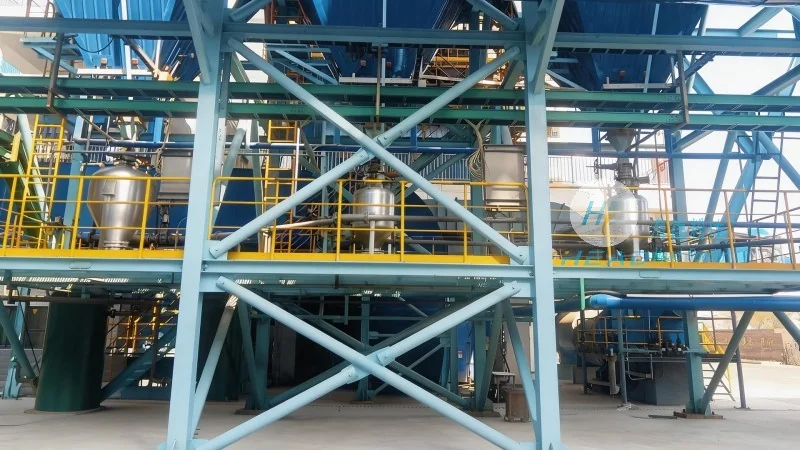
HeadPowder Engineering Co., Ltd., based in Shandong, China, plays a pivotal role in delivering advanced powder bin pneumatic conveying systems that meet the evolving needs of modern industries. By leveraging the core principles of pneumatic conveying and incorporating cutting-edge design features, HeadPowder ensures that its systems are efficient, reliable, and adaptable to diverse operational scenarios. The company's commitment to quality and innovation has established it as a trusted partner for businesses seeking to optimize their powder handling processes. Whether for pharmaceutical, food, chemical, or cement applications, HeadPowder's solutions provide the performance and durability needed to support continuous production and meet stringent industry standards. The working scene characteristics of these systems, combined with HeadPowder's expertise, make them an essential component of modern industrial operations, driving efficiency and productivity in powder transport applications.