

Working Principle and Features of Dolomite Material Pneumatic Conveying Systems
HeadPowder, a leading engineering firm based in Shandong, China, specializes in the design and implementation of advanced pneumatic conveying systems for various industrial applications. This article provides an in-depth look at the working principle and key features of dolomite material pneumatic conveying systems, highlighting how these systems efficiently handle dolomite, a widely used industrial mineral.
The Working Principle of Dolomite Pneumatic Conveying Systems
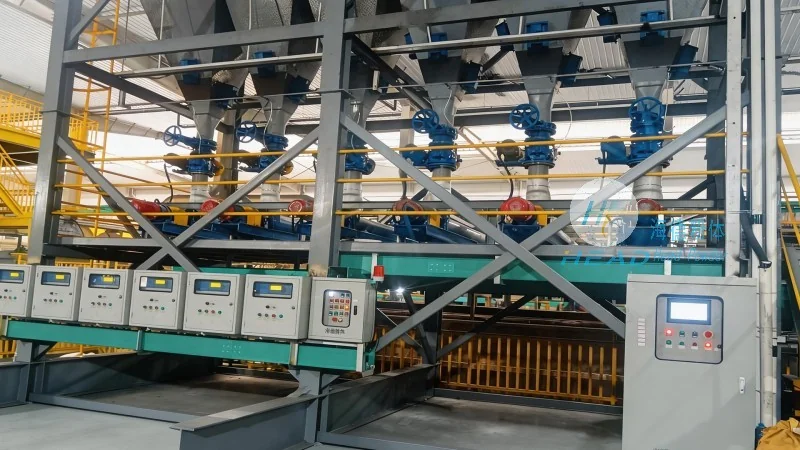
Dolomite material pneumatic conveying systems operate on the principle of transporting bulk materials like dolomite through a pipeline using a gas stream, typically air or a combination of air and other gases. The process involves several critical components that work in tandem to ensure efficient material transport. The system begins with a material feed hopper, where dolomite is stored and prepared for transport. A rotary valve or feeder then meters the material into the conveying line, ensuring a consistent flow rate. The material is then introduced into a pipeline where it is mixed with the gas stream, creating a dilute or dense phase flow, depending on the system design and material characteristics.
At the heart of the system is the air compressor or blower, which generates the necessary pressure and airflow to move the dolomite particles through the pipeline. The velocity of the gas stream is carefully controlled to maintain the desired flow regime—either dilute phase, where particles are suspended in the gas, or dense phase, where particles are more closely packed. The system may also include a series of bends, elbows, and expansion or contraction sections to accommodate changes in direction and pressure, ensuring the material is transported smoothly without excessive wear or blockages.
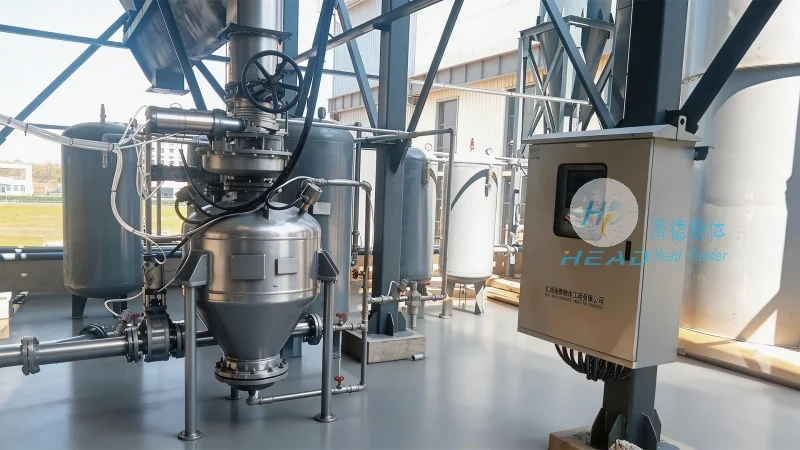
The conveying line terminates at a receiving hopper or silo, where the dolomite is deposited. A rotary valve or discharge device at the end of the line controls the release of the material, preventing backflow and maintaining system integrity. The entire process is automated and monitored, with sensors and controls ensuring optimal performance and safety. This principle allows for a continuous, dust-free, and energy-efficient method of transporting dolomite, reducing the need for traditional bulk handling methods like trucks or conveyor belts.
Key Features of Dolomite Pneumatic Conveying Systems
HeadPowder's dolomite material pneumatic conveying systems are designed with several key features that enhance performance, reliability, and efficiency. One of the primary advantages is the ability to transport dolomite in a closed system, which minimizes dust generation and environmental impact. This is particularly important for industrial applications where dust control is critical, such as in food processing, pharmaceuticals, or construction materials.
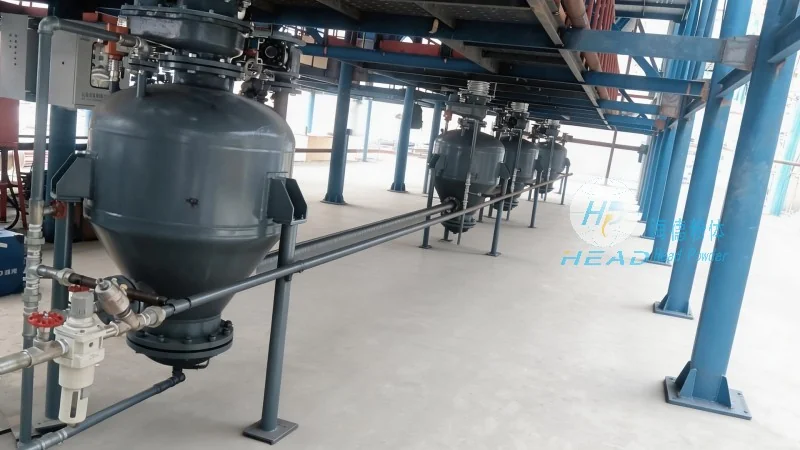
Another significant feature is the system's flexibility in handling different dolomite particle sizes and moisture content. The design allows for adaptation to various material characteristics, ensuring consistent flow and preventing blockages. The use of high-quality materials for the pipeline and components, such as stainless steel or specialized coatings, ensures durability and resistance to corrosion, which is essential for long-term operation with dolomite, a mineral that can be abrasive.
Energy efficiency is a key consideration in modern pneumatic conveying systems, and HeadPowder's designs incorporate advanced technology to optimize energy use. By carefully controlling the air pressure and flow rate, the system minimizes energy consumption while maintaining the required transport capacity. Additionally, the system's compact design reduces space requirements, making it suitable for installations with limited floor space, such as in existing industrial facilities.
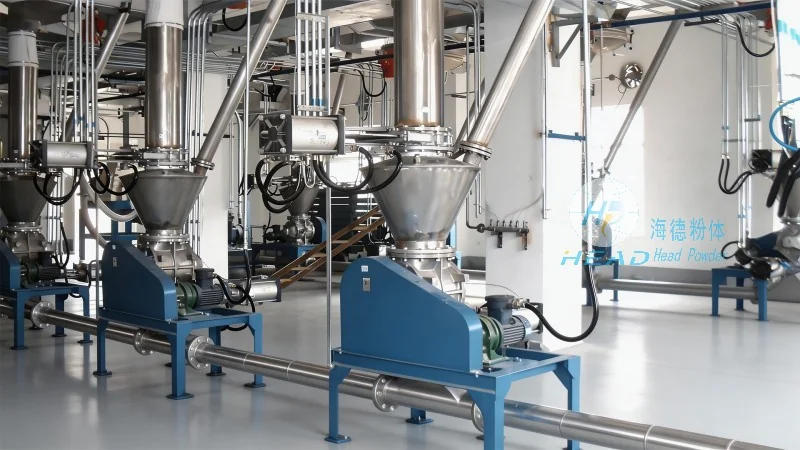
Reliability and maintenance are also critical features. The use of robust components, such as high-quality rotary valves and air compressors, ensures minimal downtime and long service life. The system is equipped with monitoring and diagnostic tools that allow for real-time performance tracking and predictive maintenance, reducing the risk of unexpected failures and lowering overall maintenance costs.
Furthermore, the system's scalability allows for customization to meet specific project requirements. Whether for small-scale operations or large industrial plants, HeadPowder can design and install a pneumatic conveying system that matches the exact needs of the client. This adaptability ensures that the system can be integrated seamlessly into existing production lines or used as a standalone solution for dolomite handling.