

Working Principle and Features of a Ceramic Particle Material Pneumatic Conveying System
For companies in the ceramic industry, efficient material handling is crucial to maintaining production efficiency and product quality. The pneumatic conveying system for ceramic particles, developed by Shandong HeadPowder Engineering Co., Ltd., offers a reliable solution to transport fine or bulk ceramic materials with precision and minimal loss. This article explores the working principle and key features of this advanced system, highlighting its benefits for modern ceramic manufacturing processes.
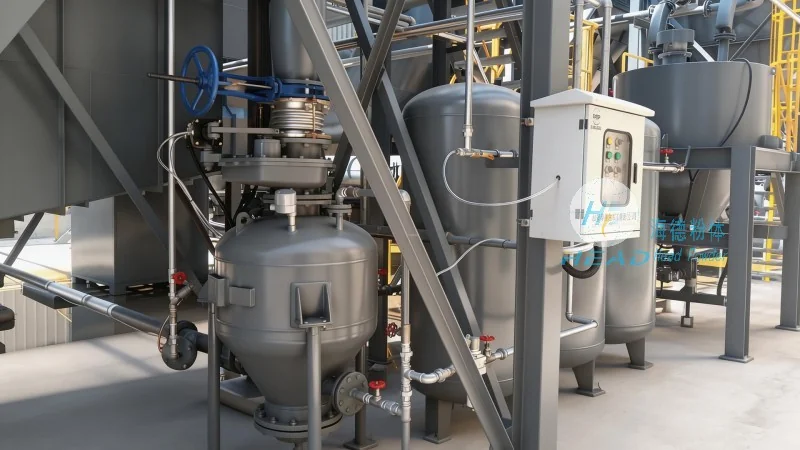
Working Principle of the Pneumatic Conveying System for Ceramic Particles
The core of the ceramic particle pneumatic conveying system is the air-driven transport mechanism. It operates by using compressed air to create a flow that moves the ceramic particles through a network of pipes. The system typically includes a blower or air compressor, which generates the necessary air pressure. As air is introduced into the conveying line, it lifts and propels the ceramic particles, transporting them from the source to the destination. The process involves several key components: a feed hopper to introduce the material, a rotary valve or feeder to control the flow rate, the conveying pipes, and a receiver or silo to collect the material at the end. The air velocity is carefully controlled to ensure that the particles are carried without excessive abrasion or degradation. The system may also incorporate separation devices, such as cyclones or filters, to remove any air or fine particles before the material is deposited. This method of transport is particularly effective for handling delicate ceramic powders and granules, as it minimizes contact with mechanical parts and reduces the risk of contamination or breakage.
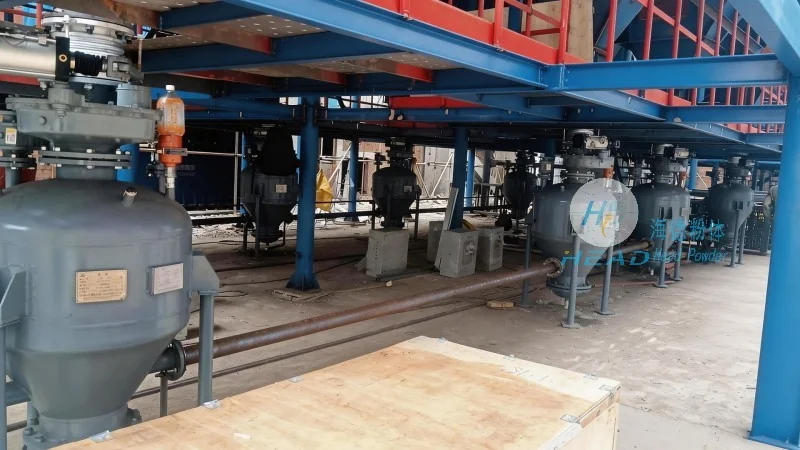
Key Features of the Ceramic Particle Pneumatic Conveying System
Shandong HeadPowder Engineering Co., Ltd. has designed the ceramic particle pneumatic conveying system with several distinct features that enhance its performance and usability. One of the primary advantages is its high efficiency in material transport. The system can handle a wide range of ceramic particle sizes, from fine powders to larger granules, with consistent flow rates. This adaptability makes it suitable for various stages of ceramic production, including raw material input, intermediate processing, and finished product handling. Another key feature is the low maintenance requirement. The design minimizes moving parts that come into direct contact with the ceramic material, reducing wear and tear and the need for frequent repairs. This results in lower operational costs and increased system longevity. The system also offers excellent environmental control. By using enclosed pipes and proper filtration, it prevents dust emissions and maintains a clean working environment, which is essential for both worker safety and product quality. Additionally, the system can be integrated with other manufacturing equipment, such as mixers or extruders, to create a seamless production line. This integration improves overall workflow and reduces bottlenecks in the production process. The system's energy efficiency is another notable feature. Advanced blower technology and optimized air flow management help minimize energy consumption while maintaining high transport capacity. This contributes to lower operational costs and aligns with sustainability goals in the industry.
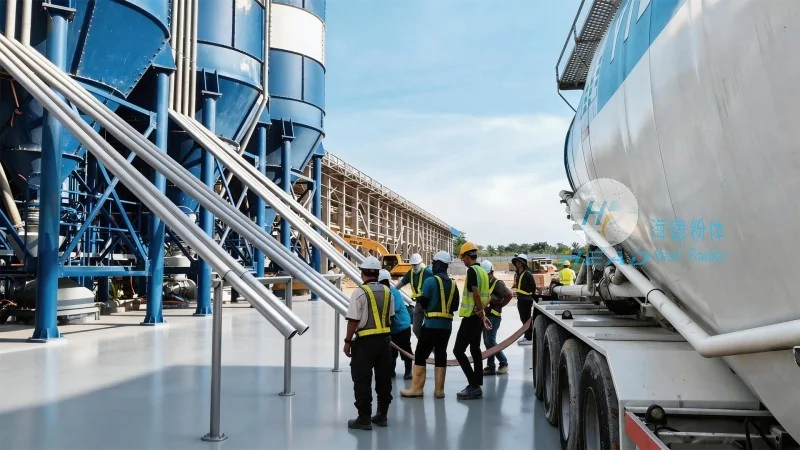
Application and Advantages in Ceramic Manufacturing
The ceramic particle pneumatic conveying system is widely used in various applications within the ceramic manufacturing industry. In raw material handling, it efficiently transports clay, feldspar, and other minerals from storage silos to processing equipment. This ensures a steady supply of materials, preventing production delays caused by material shortages. During the processing stage, the system can convey ceramic powders to mixers or extruders, where they are combined with other additives to form the desired composition. The consistent flow of material helps maintain uniform product quality, as variations in feed rate can affect the final product's properties. In the finishing stage, the system can transport finished ceramic products, such as tiles or sanitaryware, from the production line to storage or packaging areas. This reduces the need for manual handling, which can be labor-intensive and prone to errors. The advantages of using this system in ceramic manufacturing are significant. It improves production throughput by eliminating bottlenecks and reducing downtime. The low loss of material during transport minimizes waste, which is both cost-effective and environmentally friendly. Furthermore, the system's ability to handle delicate materials without damage preserves product integrity, leading to higher customer satisfaction and better market competitiveness. The system also enhances workplace safety by containing dust and preventing exposure to airborne particles, which is critical in industries where ceramic dust can be hazardous to health.
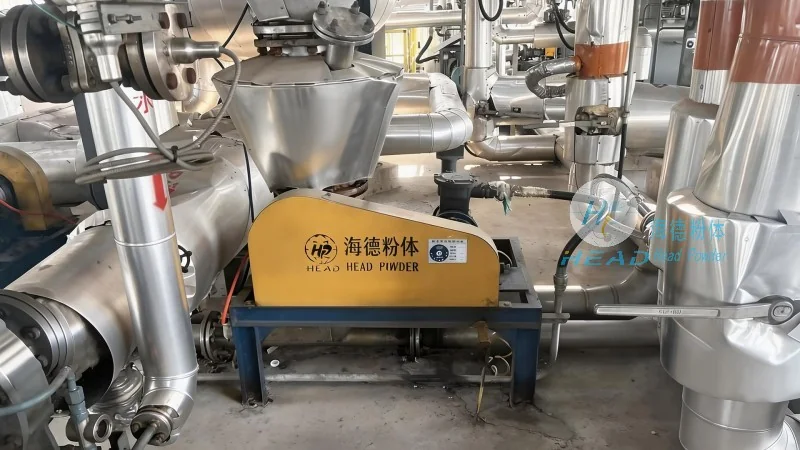
Technical Specifications and Customization Options
Shandong HeadPowder Engineering Co., Ltd. provides the ceramic particle pneumatic conveying system with a range of technical specifications tailored to different production needs. The system can be customized to accommodate various particle sizes, with options for both low and high air pressure configurations. For instance, low-pressure systems are suitable for handling fine powders, while high-pressure systems are ideal for transporting larger granules or bulk materials. The conveying line diameter can be adjusted to match the volume of material being transported, ensuring optimal performance. The system also includes adjustable feed controls, such as variable speed feeders or rotary valves, which allow operators to regulate the flow rate based on production requirements. This flexibility ensures that the system can adapt to changes in production volume without compromising efficiency. Additionally, the system can be equipped with monitoring and control systems, such as pressure sensors and flow meters, to provide real-time data on the transport process. This enables operators to detect any issues, such as blockages or air leaks, and address them promptly, preventing system downtime. The company also offers customization options for the system's components, such as the blower type, filtration systems, and receiver design. This allows clients to tailor the system to their specific operational needs, ensuring maximum compatibility with existing production lines. The technical specifications and customization options make the system versatile and adaptable, catering to the diverse requirements of ceramic manufacturers worldwide.