

Working Principle and Features of Tungsten Carbide Material Pneumatic Conveying Systems
The working principle and features of tungsten carbide material pneumatic conveying systems are essential for understanding their efficiency and reliability in industrial applications. This article explores the core mechanisms and distinctive attributes of such systems, presented by Shandong HeadPowder Engineering Co., Ltd., a leading provider in the field based in China.
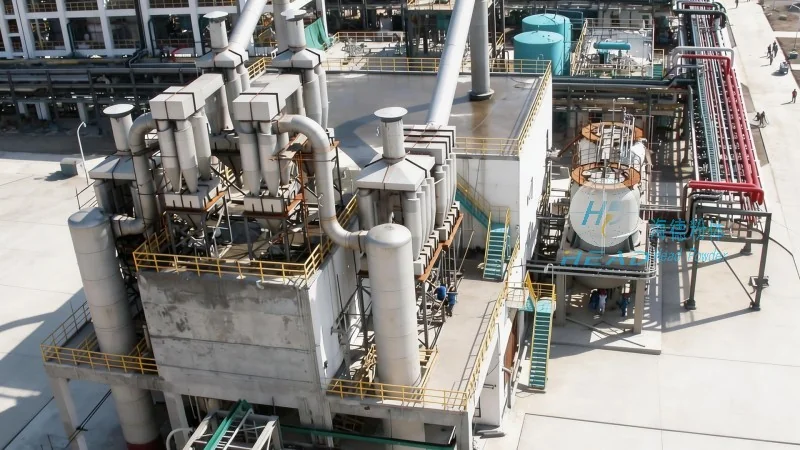
As a professional manufacturer and supplier in the powder processing industry, Shandong HeadPowder Engineering Co., Ltd. specializes in developing advanced pneumatic conveying solutions tailored for handling tungsten carbide materials. With a strong commitment to technological innovation and quality, the company has established itself as a trusted partner for businesses requiring efficient material transport systems.
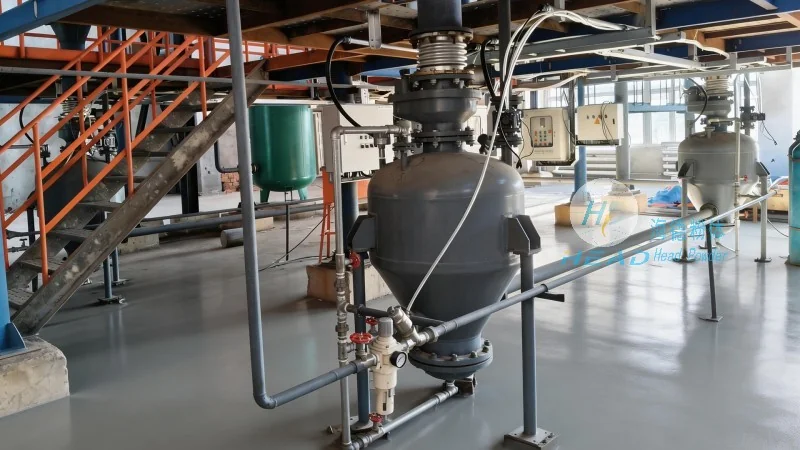
Working Principle of Tungsten Carbide Material Pneumatic Conveying Systems
The working principle of a tungsten carbide material pneumatic conveying system typically involves the use of compressed air or gas to transport particulate materials through a pipeline network. The process begins with the material being fed into a hopper or feeder, where it is then introduced into the conveying line. Compressed air is then introduced at one end of the pipeline, creating a pressure differential that propels the material forward. The system may employ various designs, such as dilute-phase or dense-phase conveying, depending on the material characteristics and required transport distance. Dilute-phase systems use lower air velocities and are suitable for short to medium distances, while dense-phase systems utilize higher air pressures and lower velocities to ensure gentle handling of delicate or abrasive materials like tungsten carbide.
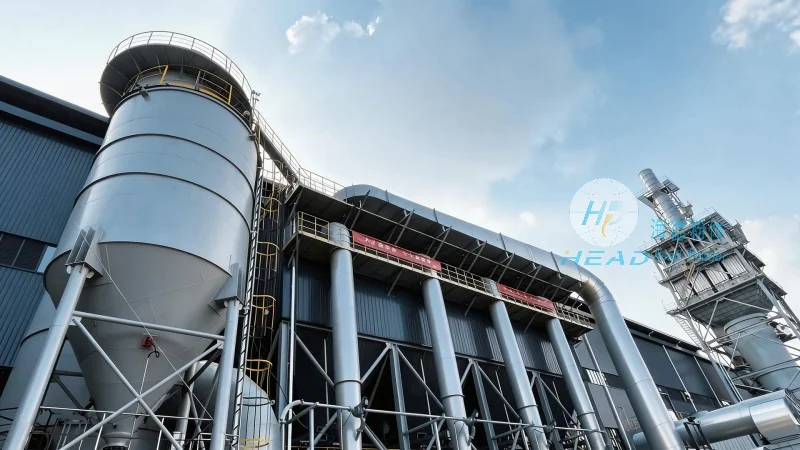
Key Features of Tungsten Carbide Material Pneumatic Conveying Systems
Key features of tungsten carbide material pneumatic conveying systems include high efficiency in material transport, minimal product degradation due to gentle handling, and the ability to handle abrasive or high-density materials without causing wear to the system components. The systems are also designed for flexibility, allowing for easy integration into existing production lines and adaptation to varying material flow rates. Additionally, these systems offer advantages like reduced labor costs, as they eliminate the need for manual handling and reduce the risk of dust exposure and contamination. The robust construction of the equipment, often made from corrosion-resistant materials, ensures long-term durability and low maintenance requirements, making them suitable for continuous industrial operations.
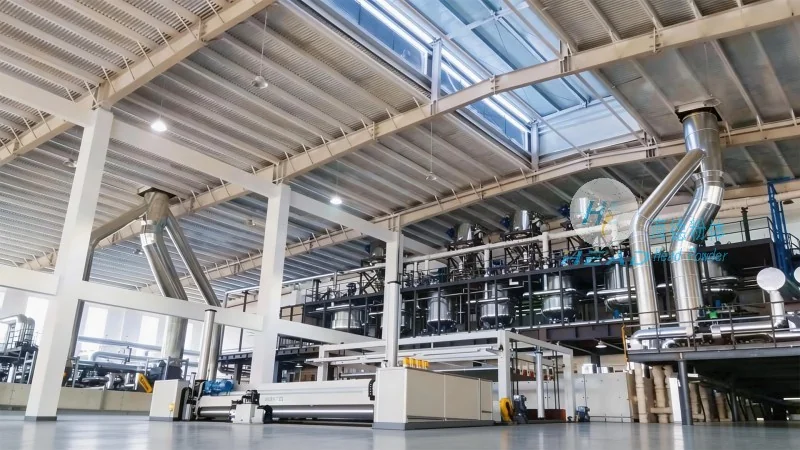
Shandong HeadPowder Engineering Co., Ltd., located in Shandong, China, continues to innovate in the design and manufacturing of pneumatic conveying systems, ensuring that clients receive reliable and efficient solutions for their tungsten carbide material handling needs.