

Working Principle and Characteristics of Pneumatic Conveying for Aluminum Sulfate Materials
Aluminum sulfate, a widely used industrial chemical, often requires efficient and reliable material handling solutions for its transportation. Pneumatic conveying systems have emerged as a preferred method for moving aluminum sulfate due to their ability to handle bulk materials with minimal dust and contamination. This article explores the working principle and key characteristics of pneumatic conveying systems specifically designed for aluminum sulfate applications, highlighting the technical aspects and operational advantages.
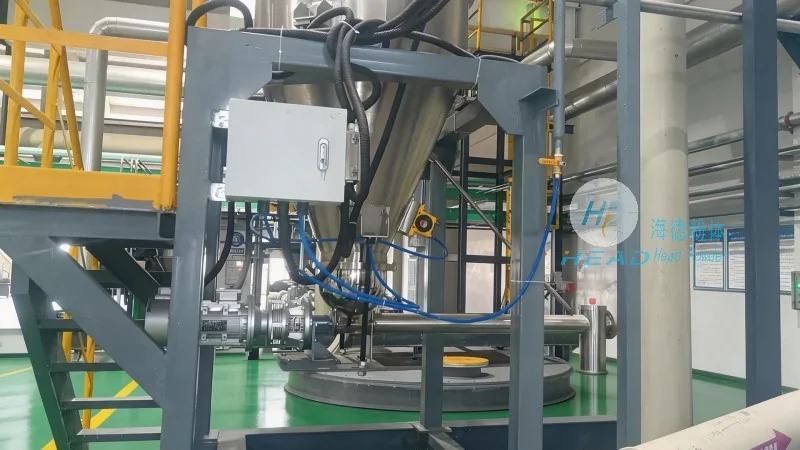
About Shandong HeadPowder Engineering Co., Ltd.
Shandong HeadPowder Engineering Co., Ltd., operating under the brand name headpowder, specializes in the design, manufacturing, and installation of advanced material handling equipment. With a focus on industrial solutions tailored to the needs of chemical processing industries, the company provides comprehensive services including system design, customization, and after-sales support. HeadPowder's expertise in pneumatic conveying technology ensures that clients receive optimized solutions for their aluminum sulfate handling requirements.
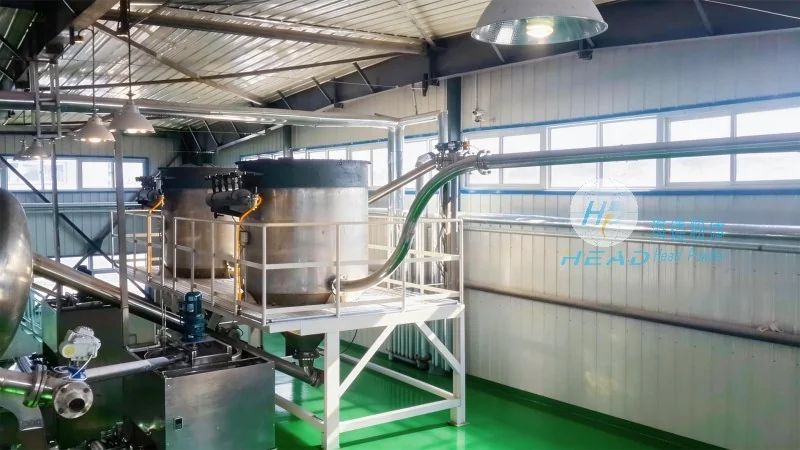
Working Principle of Pneumatic Conveying for Aluminum Sulfate
The core of pneumatic conveying systems lies in the use of air or gas to transport bulk materials through a pipeline network. For aluminum sulfate, which is typically a fine powder or granular material, the system operates by creating a pressure differential between the inlet and outlet of the conveying line. A fan or blower generates the necessary airflow, drawing the aluminum sulfate particles into the pipeline and propelling them to the destination point. The process involves several key components, including a hopper for material storage, a feeder to control the flow rate, a conveying line with appropriate diameter and length, and a receiver for the discharged material. The selection of the conveying method—such as dilute phase or dense phase—depends on factors like material properties, distance, and desired flow rate. In dilute phase systems, the material is suspended in the air stream, while in dense phase systems, the material is conveyed in a slurry-like state, offering higher capacity and lower velocity. For aluminum sulfate, dilute phase systems are commonly employed due to the material's fine particle size and the need to minimize pressure drop and energy consumption. The system's efficiency is influenced by parameters such as air velocity, particle size distribution, and moisture content, all of which must be carefully managed to ensure smooth operation and prevent blockages or degradation of the material.
Key Characteristics of Pneumatic Conveying for Aluminum Sulfate
Pneumatic conveying systems for aluminum sulfate exhibit several distinct characteristics that make them suitable for industrial applications. One of the primary advantages is the ability to handle fine powders without generating excessive dust, which is critical for maintaining product quality and compliance with environmental regulations. The enclosed pipeline design prevents material contamination and loss, ensuring that the aluminum sulfate remains pure throughout the conveying process. Another significant characteristic is the system's flexibility, allowing for multiple inlet and outlet points, enabling complex material flow paths and integration with existing processing equipment. This flexibility is particularly valuable in industrial settings where space constraints or varying production demands require adaptable material handling solutions. Additionally, pneumatic conveying systems offer high throughput capabilities, capable of transporting large volumes of aluminum sulfate over long distances with minimal downtime. The energy efficiency of these systems is another notable feature, as they can operate with lower power consumption compared to traditional mechanical conveying methods like belt conveyors or bucket elevators. This efficiency translates into cost savings for manufacturers and reduced operational expenses. Furthermore, the system's ability to handle abrasive materials, such as aluminum sulfate, is enhanced by the use of corrosion-resistant materials in the pipeline and components, ensuring long-term durability and minimal maintenance requirements. The integration of advanced control systems, such as variable frequency drives (VFDs) and pressure sensors, allows for real-time monitoring and adjustment of the conveying process, optimizing performance and preventing operational issues. These characteristics collectively contribute to the reliability and effectiveness of pneumatic conveying systems in aluminum sulfate handling, making them a preferred choice for many industrial applications.
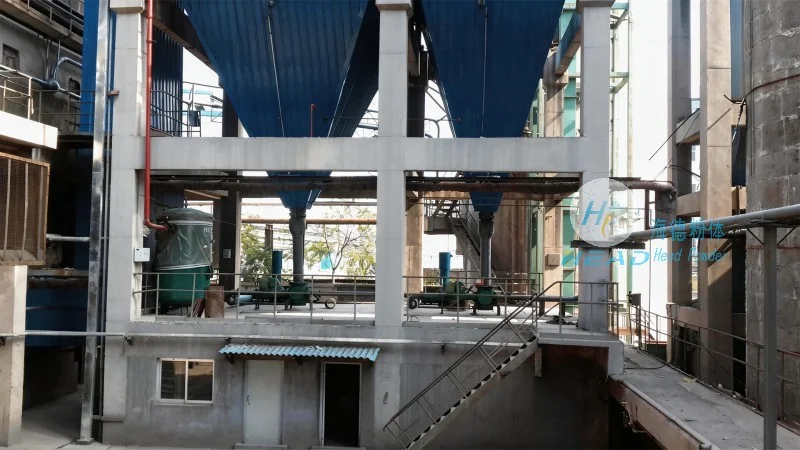
HeadPowder's Expertise in Aluminum Sulfate Pneumatic Conveying Solutions
Shandong HeadPowder Engineering Co., Ltd. leverages its extensive experience and technical expertise to provide tailored pneumatic conveying solutions for aluminum sulfate applications. The company's engineers work closely with clients to understand their specific operational requirements, including material characteristics, processing capacity, and environmental constraints. This collaborative approach ensures that the designed system meets all performance and safety standards while optimizing cost-effectiveness. HeadPowder utilizes advanced design software and computational fluid dynamics (CFD) simulations to model the conveying process, allowing for precise optimization of system parameters such as air velocity, pressure, and pipeline dimensions. This engineering approach minimizes trial-and-error during implementation and ensures that the final system operates at peak efficiency. The company's manufacturing capabilities include the production of high-quality components, such as stainless steel pipelines, specialized feeders, and control panels, all built to withstand the corrosive nature of aluminum sulfate and the demands of industrial environments. HeadPowder's after-sales support includes regular maintenance, system upgrades, and technical assistance, ensuring that clients receive long-term value and reliability from their conveying systems. By combining technical innovation with practical application, HeadPowder delivers solutions that enhance productivity, reduce operational costs, and improve overall material handling efficiency for aluminum sulfate processing facilities.