

Working Principle and Characteristics of Pneumatic Conveying for Calcium Carbide Powder
Calcium carbide powder is a critical material in various industrial applications, and its efficient handling is essential for maintaining production efficiency and safety. Pneumatic conveying, a technology that uses air or gas to transport bulk materials, offers a reliable solution for moving calcium carbide powder. This article explores the working principle and key characteristics of pneumatic conveying systems specifically designed for calcium carbide powder, highlighting how these systems enhance operational performance and ensure material integrity.
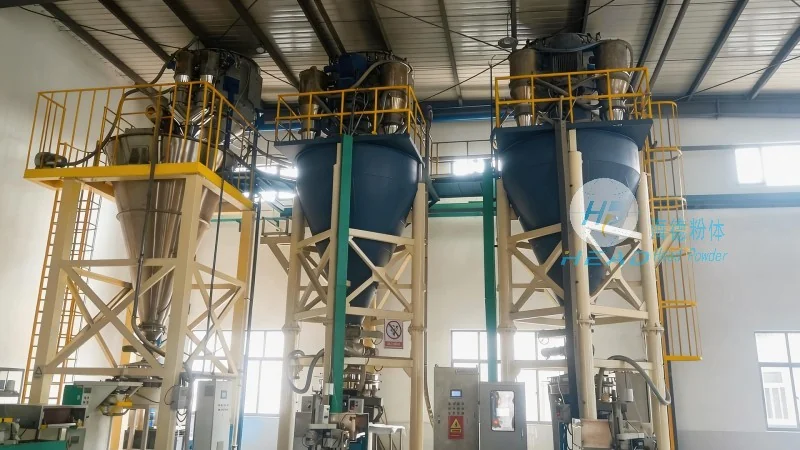
Company Introduction: Shandong HeadPowder Engineering Co., Ltd.
HeadPowder, a leading provider in the field of material handling solutions, specializes in developing advanced pneumatic conveying systems tailored to the unique needs of calcium carbide powder. With a strong commitment to innovation and quality, the company has established itself as a trusted partner for industries relying on calcium carbide powder in manufacturing processes. The company’s headquarters is located in Shandong, China, where it leverages local expertise and resources to deliver cutting-edge engineering solutions.
Working Principle of Pneumatic Conveying for Calcium Carbide Powder
The core of pneumatic conveying for calcium carbide powder involves the use of a pressurized air system to transport the material from a source to a destination. The process typically begins with the material being fed into a hopper or feeder, where it is then introduced into a pipeline. As the air is introduced into the pipeline, it creates a flow that lifts and moves the powder particles. The air velocity is carefully controlled to ensure that the powder particles are carried along without causing excessive wear or degradation. The system may use either positive pressure (where air is forced into the system) or negative pressure (where air is drawn out), depending on the specific application and layout of the conveying line.
In a positive pressure system, a blower or compressor generates the necessary air pressure, pushing the powder through the pipeline. This method is often preferred for long-distance or complex layouts as it provides consistent pressure and flow. The air velocity must be maintained above the minimum conveying velocity to prevent material settling or blockages. Conversely, negative pressure systems use a vacuum to draw the powder into the pipeline, which is suitable for short-distance or enclosed environments where air leakage is minimized. The choice between positive and negative pressure depends on factors such as the distance to be covered, the layout of the facility, and the need to control dust emissions.
Key Characteristics of Pneumatic Conveying Systems for Calcium Carbide Powder
Several distinct characteristics define the effectiveness of pneumatic conveying systems for calcium carbide powder, making them an ideal choice for many industrial applications. First, the system offers a dust-free and enclosed transport process, which is crucial for maintaining a safe working environment and preventing contamination of the material. Unlike traditional methods like bucket elevators or belt conveyors, pneumatic conveying keeps the powder contained within the pipeline, reducing the risk of exposure to dust and improving overall workplace safety.
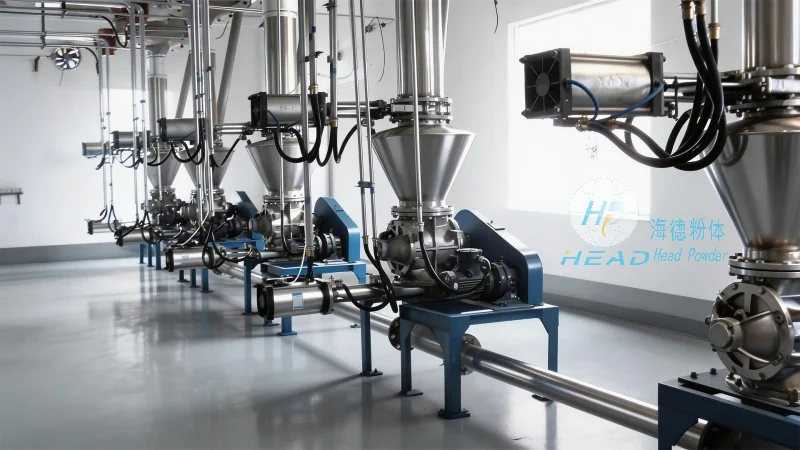
Second, the flexibility of pneumatic conveying systems allows for easy integration into existing production lines. The ability to change the direction of the conveying line or adjust the flow rate provides significant operational advantages. This adaptability is particularly valuable in facilities where the layout may change or where different production stages require varying material quantities. The system can be easily modified to accommodate different material types or processing requirements, ensuring long-term compatibility with evolving production needs.
Third, the efficiency of pneumatic conveying in terms of energy consumption and material handling speed is a significant advantage. By using air as the conveying medium, the system minimizes the need for mechanical components that can cause wear and tear, reducing maintenance costs over time. The high velocity of the air ensures that the powder is transported quickly and reliably, reducing downtime and increasing overall productivity. Additionally, the enclosed nature of the system reduces material loss and waste, contributing to cost savings and environmental sustainability.
Application-Specific Considerations for Calcium Carbide Powder Conveying
When implementing a pneumatic conveying system for calcium carbide powder, several application-specific considerations must be taken into account to ensure optimal performance. The first consideration is the particle size and density of the powder. Calcium carbide powder typically has a relatively fine particle size, which can affect the air velocity required for effective conveying. Smaller particles may require higher air velocities to prevent settling, while larger particles may need lower velocities to avoid excessive wear on the pipeline and components. The system design must account for these variations to maintain consistent flow and prevent blockages.
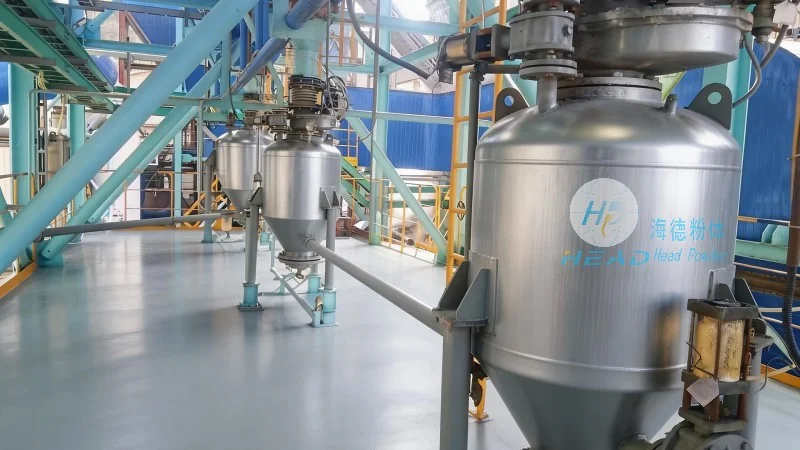
Second, the moisture content of the calcium carbide powder is a critical factor. High moisture levels can lead to clumping or agglomeration, which can cause blockages in the pipeline and reduce the efficiency of the conveying system. Proper drying and conditioning of the material before conveying are essential to ensure smooth operation. The system may include additional components such as drying units or agitators to manage moisture levels and maintain material flow.
Third, the temperature of the conveying environment plays a role in system performance. Calcium carbide powder can react with moisture to produce acetylene gas, which is flammable and requires careful handling. The pneumatic conveying system must be designed to prevent the accumulation of heat or moisture that could lead to hazardous conditions. Proper ventilation and temperature control are necessary to maintain a safe operating environment and prevent material degradation.
Advantages and Limitations of Pneumatic Conveying for Calcium Carbide Powder
While pneumatic conveying offers numerous advantages for calcium carbide powder handling, it also has certain limitations that must be considered. One of the primary advantages is the ability to handle fine, abrasive materials without causing excessive wear on the system components. The enclosed design protects both the material and the equipment from contamination and damage, ensuring a longer service life for the conveying system.
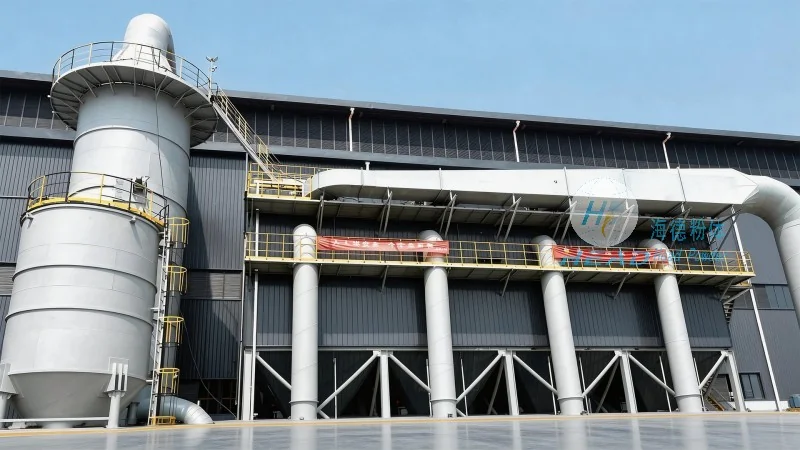
Another advantage is the system’s ability to transport materials over long distances with minimal loss. The high velocity of the air ensures that the powder particles remain suspended and move efficiently through the pipeline. This is particularly beneficial for facilities where the source and destination of the material are far apart, as it eliminates the need for multiple transfer points or intermediate storage.
However, the limitations of pneumatic conveying include the higher initial investment cost compared to traditional methods like belt conveyors. The system requires specialized equipment such as blowers, filters, and pipelines, which can increase the upfront costs. Additionally, the system may be less suitable for very large quantities of material, as the air flow rate may need to be increased, potentially leading to higher energy consumption. The maintenance of the system, particularly the filters and air compressors, also requires regular attention to ensure optimal performance.
Conclusion: Enhancing Calcium Carbide Powder Handling with Pneumatic Conveying
For industries relying on calcium carbide powder, pneumatic conveying systems provide a reliable, efficient, and safe method of material handling. The working principle, which involves using pressurized air to transport the powder, offers a dust-free and enclosed solution that enhances operational performance and ensures material integrity. The key characteristics of these systems, including flexibility, energy efficiency, and enclosed transport, make them an ideal choice for various industrial applications.
HeadPowder, with its expertise in material handling solutions, continues to innovate and develop advanced pneumatic conveying systems tailored to the unique needs of calcium carbide powder. By leveraging local expertise and resources in Shandong, China, the company ensures that its products meet the highest standards of quality and performance. The implementation of such systems not only improves production efficiency but also contributes to a safer and more sustainable working environment.