

Working Principle and Characteristics of Pneumatic Conveying for Glass Raw Material Powders
HeadPowder, a leading provider in the field of material handling solutions, specializes in the application of pneumatic conveying technology for glass raw material powders. This article delves into the fundamental working principles and key characteristics of this advanced system, offering insights into its operational efficiency and practical advantages.
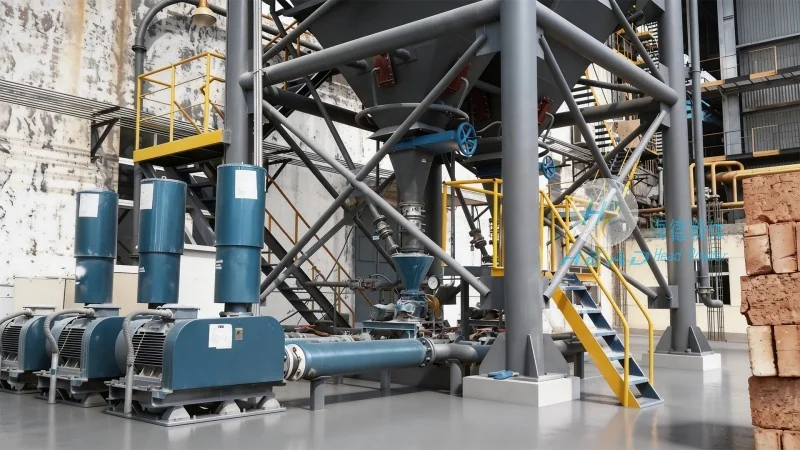
Understanding the Working Principle of Pneumatic Conveying for Glass Raw Materials
The core mechanism of pneumatic conveying for glass raw material powders involves the use of compressed air to transport dry powders through a network of pipes. The process typically begins with the introduction of the glass powder into a hopper or feeder, where it is then drawn into a pipeline by the force of moving air. As the air flows through the system, it creates a negative pressure or positive pressure environment, depending on the specific conveying method, to move the powder particles along the designated route. This method eliminates the need for mechanical components such as belts or buckets, reducing maintenance requirements and enhancing safety in the handling of delicate glass powders.
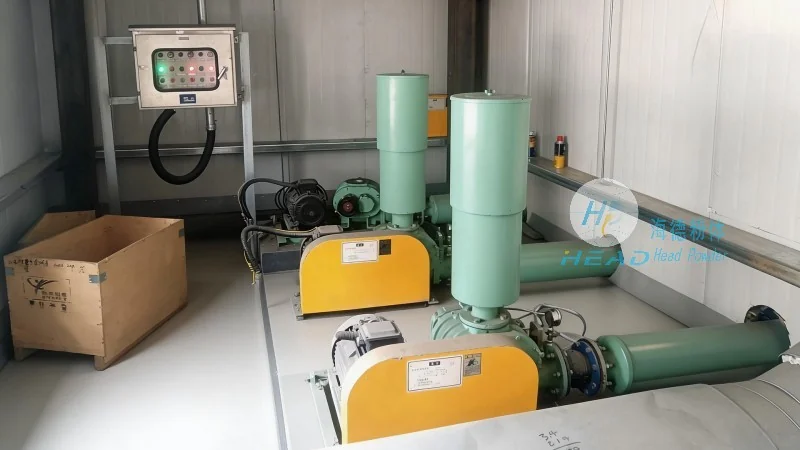
Key Characteristics of Pneumatic Conveying Systems for Glass Raw Materials
Several distinct characteristics define the effectiveness of pneumatic conveying systems in the glass industry. Firstly, the system offers high efficiency in material transport, capable of moving large volumes of glass powders over considerable distances with minimal energy consumption. This efficiency is particularly valuable in glass manufacturing plants where consistent and rapid material flow is critical for production continuity. Secondly, the technology provides a clean and dust-free environment, as the enclosed pipeline system prevents dust dispersion into the workplace, aligning with stringent environmental regulations and improving occupational health standards. Thirdly, the flexibility of pneumatic conveying allows for easy integration with existing production lines, enabling seamless adaptation to varying production demands without significant infrastructure modifications. Additionally, the system is highly adaptable to different types of glass raw materials, including silica sand, soda ash, and limestone, ensuring compatibility with diverse glass formulations.
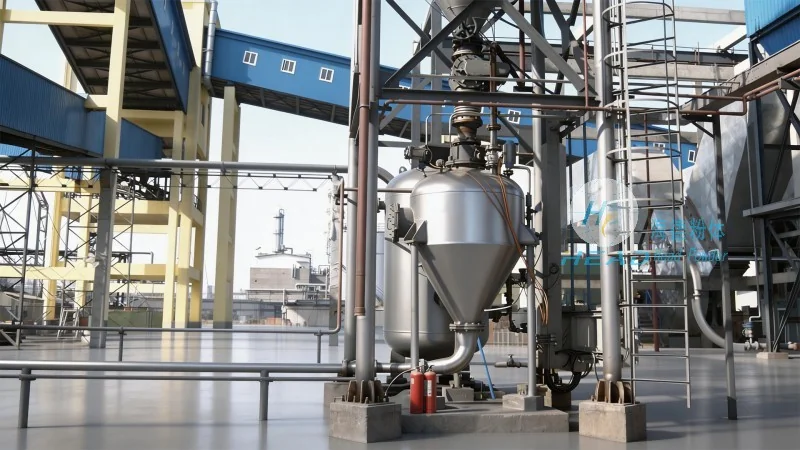
Advantages and Applications in Glass Manufacturing
The application of pneumatic conveying for glass raw materials brings numerous advantages to the manufacturing process. By eliminating manual handling and mechanical transport, the system reduces the risk of contamination and product degradation, which is crucial for maintaining the quality of glass products. Moreover, the automated nature of the process enhances operational consistency, leading to improved product uniformity and reduced waste. In terms of cost-effectiveness, the long-term savings from reduced maintenance, lower energy usage, and minimized material loss make pneumatic conveying a cost-efficient solution for glass manufacturers. The technology also supports scalability, allowing glass production facilities to expand their operations while maintaining efficient material handling capabilities.
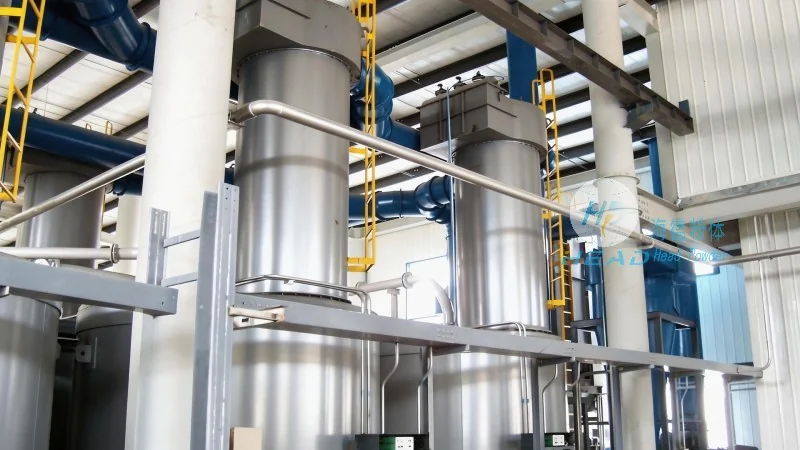
About Shandong HeadPowder Engineering Co., Ltd.
HeadPowder, or Shandong HeadPowder Engineering Co., Ltd., is a professional engineering company based in Shandong, China. With a strong commitment to innovation and quality, the company focuses on developing and implementing advanced material handling solutions tailored to the needs of the glass industry. By leveraging its expertise in pneumatic conveying technology, HeadPowder provides customized systems that enhance operational efficiency, ensure product quality, and comply with industry standards. The company's dedication to customer satisfaction and technological advancement has established it as a trusted partner in the glass manufacturing sector, offering reliable and efficient solutions for material transport and processing.