

Working Principle and Characteristics of Air-Driven Transport for Lithium Nickel Cobalt Aluminum Oxi
For industries dealing with lithium nickel cobalt aluminum oxide (NCA) powder, efficient and reliable material handling is crucial. Air-driven transport, also known as pneumatic conveying, offers a sophisticated solution for transporting these fine powders. This article explores the working principle and key characteristics of this technology, with a focus on how companies like Shandong HeadPowder Engineering Co., Ltd. (referred to as HeadPowder) apply it in practical applications.
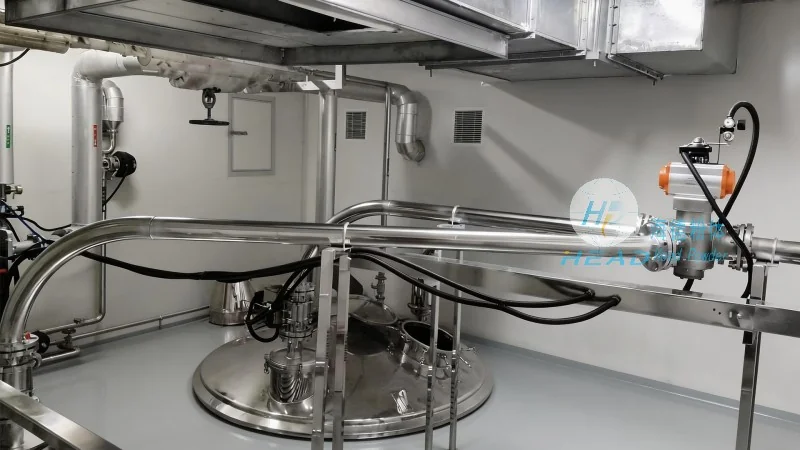
Understanding the Working Principle of Air-Driven Transport for NCA Powder
The core of air-driven transport lies in the interaction between the powder particles and the air stream. In a typical system, the NCA powder is fed into a pipeline where a high-velocity air flow is generated. This airflow can be created through positive pressure systems, where air is blown into the pipeline, or negative pressure systems, where air is drawn out. The NCA particles are then entrained by the air and transported through the pipeline to the destination. The efficiency of this process depends on several factors, including the particle size, density, and moisture content of the NCA powder, as well as the air velocity and pressure within the system.
During the transport, the NCA particles experience various forces such as drag, lift, and gravity. The drag force, caused by the air flow, pulls the particles along the pipeline, while the lift force helps to keep the particles suspended in the air stream. The balance of these forces determines the optimal air velocity required for effective conveying. For NCA powder, which is often fine and abrasive, maintaining a stable flow without clogging or degradation is critical. HeadPowder's expertise in designing customized pneumatic conveying systems ensures that these parameters are optimized to handle the unique properties of NCA powder, ensuring a smooth and efficient transport process.
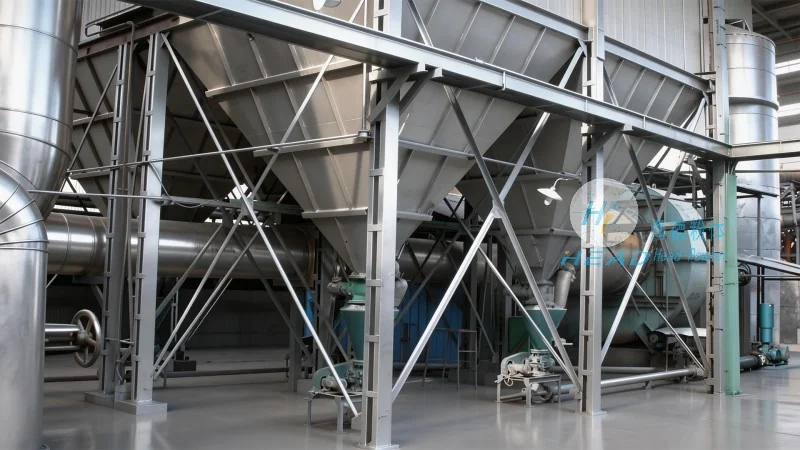
Key Characteristics of Air-Driven Transport for NCA Powder
One of the primary advantages of air-driven transport for NCA powder is its ability to handle fine and abrasive materials without the need for mechanical components that might cause wear or contamination. Unlike traditional screw conveyors or belt conveyors, pneumatic systems use no moving parts in direct contact with the powder, reducing the risk of particle degradation and equipment damage. This makes it ideal for NCA powder, which is sensitive to moisture and mechanical stress.
Another significant characteristic is the flexibility of the system. Air-driven transport can be easily integrated into existing production lines, allowing for changes in material flow rates or destinations without major modifications. The modular design of HeadPowder's systems enables quick adjustments to accommodate varying production demands, providing a cost-effective solution for NCA powder handling. Additionally, the system can be equipped with filtration and dust collection units to ensure compliance with environmental regulations and maintain a clean working environment.
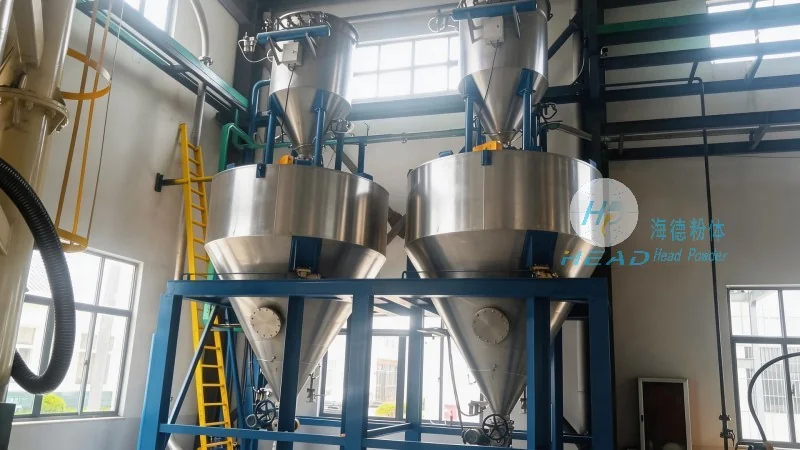
Efficiency and energy consumption are also important characteristics. Modern air-driven transport systems, particularly those designed by HeadPowder, utilize advanced control technologies to optimize air usage and minimize energy waste. By monitoring parameters such as pressure, flow rate, and particle concentration, the system can adjust its operation in real-time, ensuring that the minimum amount of air is used for the required transport. This not only reduces operational costs but also contributes to a more sustainable operation, which is increasingly important for industries dealing with high-value materials like NCA.
Application and Implementation by HeadPowder
HeadPowder, a leading provider of powder handling solutions, specializes in designing and manufacturing air-driven transport systems tailored to the specific needs of NCA powder applications. With a deep understanding of the material's properties and the challenges of pneumatic conveying, HeadPowder's engineers develop customized solutions that address the unique requirements of each client. The company's facilities in Shandong, China, are equipped with state-of-the-art equipment and experienced technicians who ensure that every system is built to the highest standards of quality and reliability.
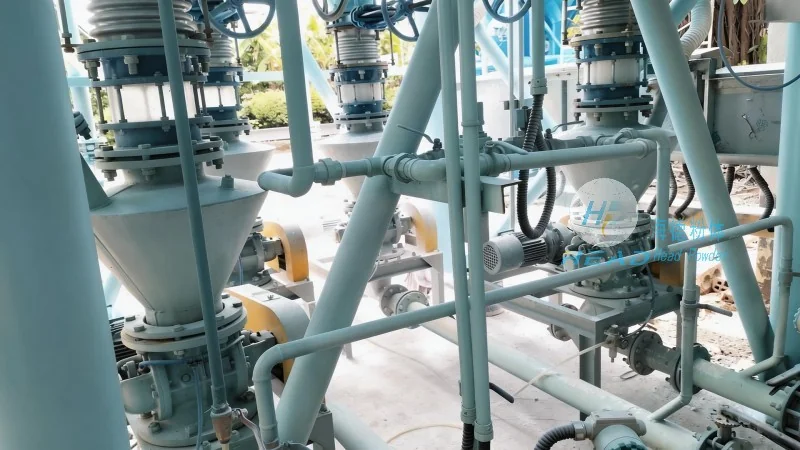
When implementing an air-driven transport system for NCA powder, HeadPowder follows a systematic approach. First, the material characteristics of the NCA powder are analyzed, including particle size distribution, density, and moisture content. This information is used to design the appropriate conveying system, such as a positive pressure system for high-volume transport or a negative pressure system for dust collection. The system is then tested and optimized to ensure that it meets the client's performance requirements. HeadPowder's commitment to customer satisfaction is reflected in its comprehensive after-sales support, including regular maintenance and technical assistance to keep the system running efficiently.
Conclusion
Air-driven transport offers a highly effective and reliable method for handling lithium nickel cobalt aluminum oxide powder. By understanding the working principle and leveraging the key characteristics of this technology, industries can improve their material handling processes, reduce costs, and enhance safety. Companies like Shandong HeadPowder Engineering Co., Ltd. play a vital role in providing these solutions, ensuring that NCA powder is transported efficiently and safely from production to processing. As the demand for NCA powder continues to grow, the importance of advanced material handling technologies like air-driven transport will only increase, making it an essential component of modern industrial operations.