

Working Principle and Characteristics of Sodium Bicarbonate Powder Pneumatic Conveying
Understanding the working principle and characteristics of sodium bicarbonate powder pneumatic conveying is crucial for optimizing material handling processes in various industrial applications. This article provides a detailed overview of the fundamental mechanisms and key attributes associated with this technology, tailored for professionals seeking to enhance efficiency and reliability in powder transport systems.
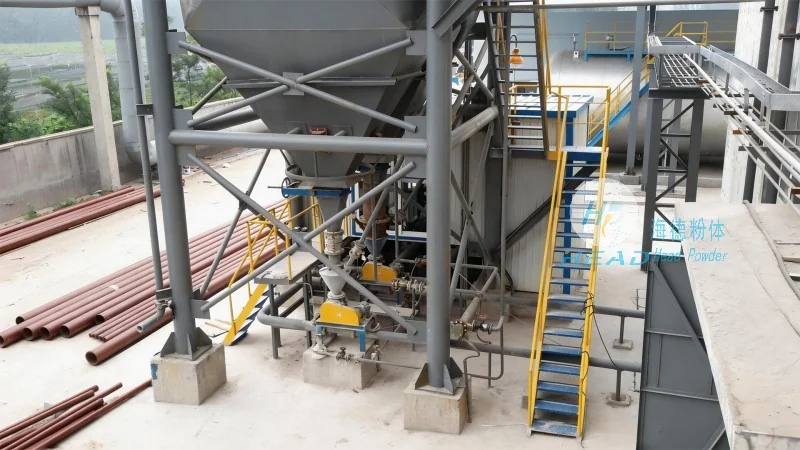
HeadPowder, a leading provider of specialized engineering solutions, specializes in the design, manufacturing, and implementation of advanced pneumatic conveying systems. With a strong commitment to innovation and quality, the company has established itself as a trusted partner in the field of bulk material handling. Based in Shandong, China, HeadPowder leverages its expertise to deliver tailored solutions that meet the unique demands of clients across diverse industries.
Working Principle of Sodium Bicarbonate Powder Pneumatic Conveying
The core principle of sodium bicarbonate powder pneumatic conveying involves the use of air or gas to transport dry powders through a pipeline system. This method, also known as pneumatic transport, operates by creating a pressure differential between the conveying line and the ambient environment. The process typically begins with the powder being introduced into the conveying line, often via a hopper or feeder, where it is then entrained by the moving air stream. The air velocity is carefully controlled to ensure that the powder particles are suspended and transported efficiently without clogging or degradation.
There are two primary modes of pneumatic conveying: dilute phase and dense phase. Dilute phase systems operate at higher air velocities, typically 20-30 meters per second, and are suitable for transporting powders over short to medium distances. In contrast, dense phase systems use lower air velocities (around 5-10 meters per second) and higher pressure, which allows for the transport of more material per unit volume of air. For sodium bicarbonate, a dilute phase system is often preferred due to its light density and the need for gentle handling to preserve product quality.
The conveying process begins with the powder being fed into the system. A fan or blower generates the necessary airflow, which is then directed into the conveying line. The powder is introduced at a controlled rate, ensuring that the air velocity remains above the minimum required to keep the particles suspended. As the mixture travels through the pipeline, it may encounter various components such as bends, elbows, and filters. These elements are designed to minimize pressure drop and prevent particle accumulation, which could lead to system inefficiencies or blockages.
Key Characteristics of Sodium Bicarbonate Powder Pneumatic Conveying
Several distinct characteristics define the performance of sodium bicarbonate powder pneumatic conveying systems. These attributes are critical for determining the suitability of the technology for specific applications and for optimizing operational parameters.
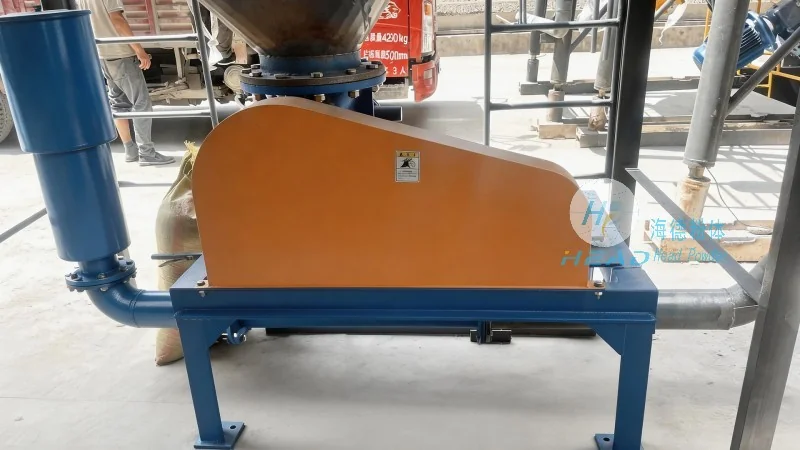
Firstly, the system offers high flexibility in terms of layout and integration. Pneumatic conveying lines can be installed in various configurations, including vertical, horizontal, or a combination of both, allowing for adaptability to existing facility layouts. This flexibility is particularly advantageous in facilities where space is limited or where the process flow requires complex routing.
Secondly, the technology provides excellent control over the material flow rate and pressure. By adjusting the air velocity and pressure, operators can precisely regulate the amount of sodium bicarbonate being transported. This level of control is essential for maintaining consistent product quality and preventing overloading or underloading of downstream equipment.
Thirdly, pneumatic conveying systems are generally more hygienic and dust-free compared to traditional mechanical methods. The enclosed pipeline design minimizes exposure to airborne particles, which is particularly important for food-grade products like sodium bicarbonate. This feature enhances product safety and compliance with regulatory standards, making the system ideal for industries such as food processing and pharmaceuticals.
Additionally, the system offers improved safety and reduced maintenance requirements. Unlike mechanical conveyors, which rely on moving parts and may pose risks of entanglement or wear, pneumatic systems operate with minimal moving components. This reduces the likelihood of mechanical failures and simplifies maintenance procedures, leading to lower operational costs and increased system reliability.
Application Considerations and Best Practices
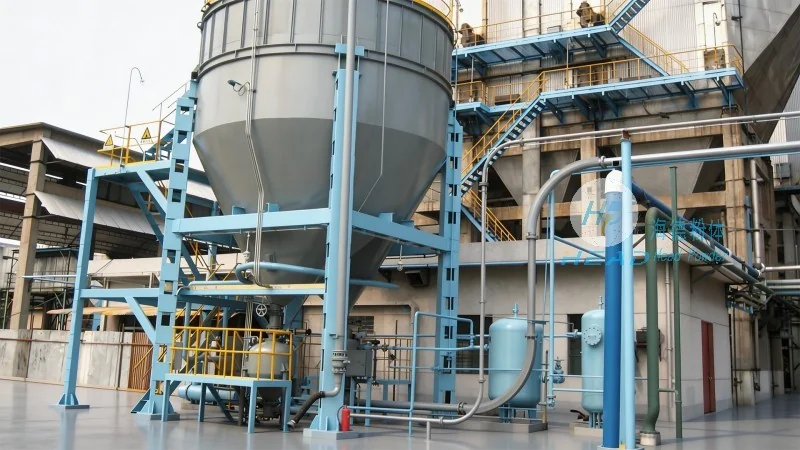
When implementing sodium bicarbonate powder pneumatic conveying systems, several factors must be considered to ensure optimal performance and longevity. Proper system design and installation are paramount to achieving efficient and reliable operation.
One critical consideration is the selection of appropriate equipment components. The choice of fan or blower, pipeline material, and filter system directly impacts the system's performance. For sodium bicarbonate, which is a fine powder with a relatively low bulk density, selecting a fan with sufficient capacity to maintain the required air velocity is essential. Additionally, the use of corrosion-resistant materials, such as stainless steel, is recommended to prevent degradation from the powder's chemical properties.
Proper maintenance and monitoring are also crucial for maintaining system efficiency. Regular inspection of the conveying line, filters, and air handling equipment helps identify potential issues before they escalate into major problems. Monitoring parameters such as pressure drop, air velocity, and material flow rate allows operators to detect deviations from optimal conditions and take corrective action promptly.
Furthermore, training personnel on the proper operation and maintenance of the system is essential for maximizing its benefits. Well-trained staff can ensure that the system operates within its design parameters, reducing the risk of equipment failure and product contamination. HeadPowder provides comprehensive support, including technical guidance and training, to help clients optimize their pneumatic conveying systems and achieve long-term operational success.
Conclusion
Sodium bicarbonate powder pneumatic conveying is a highly effective and versatile method for transporting dry powders. By understanding its working principle and key characteristics, industries can leverage this technology to enhance efficiency, improve product quality, and reduce operational costs. HeadPowder, with its expertise and commitment to quality, offers tailored solutions that meet the specific needs of clients, ensuring reliable and efficient material handling in various applications.