

Working Principle and Features of Refractory Material Handling System Equipment
Refractory material handling systems are critical components in industrial processes, particularly in environments where high-temperature applications and material transport efficiency are paramount. These systems are designed to safely and effectively move refractory materials, such as bricks, powders, and granules, from one location to another within manufacturing facilities. The proper functioning of these systems ensures operational continuity, reduces downtime, and enhances overall productivity in industries like steel, cement, and glass production.
Introduction to Refractory Material Handling Systems
Shandong HeadPowder Engineering Co., Ltd., a leading manufacturer based in Shandong, China, specializes in the design, development, and implementation of advanced refractory material handling solutions. The company’s expertise lies in creating customized systems tailored to the specific needs of clients, ensuring optimal performance and reliability. This article explores the working principles and key features of refractory material handling systems, highlighting how they contribute to efficient material transport in high-temperature industrial settings.
Working Principle of Refractory Material Handling Systems
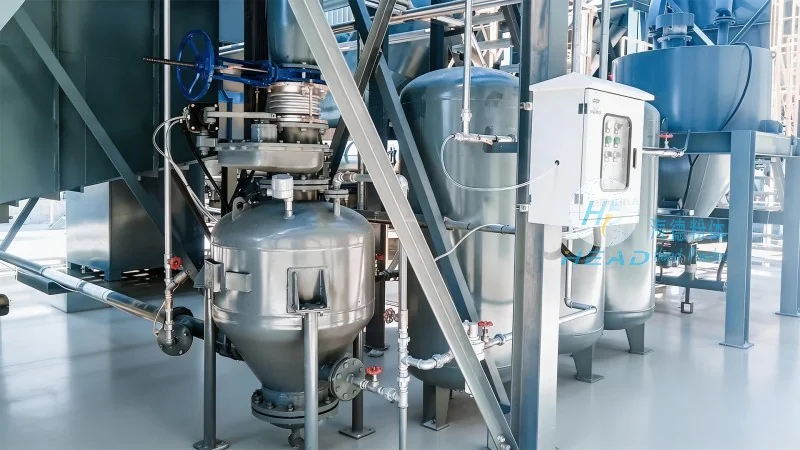
The core working principle of refractory material handling systems revolves around the integration of various mechanical components that work in tandem to transport materials. These systems typically include feeders, conveyors, and control mechanisms, all designed to handle the unique properties of refractory materials—such as high temperature resistance, abrasiveness, and chemical stability. The process begins with the material being fed into the system, often from a storage silo or hopper. From there, it is transported through a series of conveyors, which may include belt conveyors, screw conveyors, or pneumatic systems, depending on the material type and application requirements.
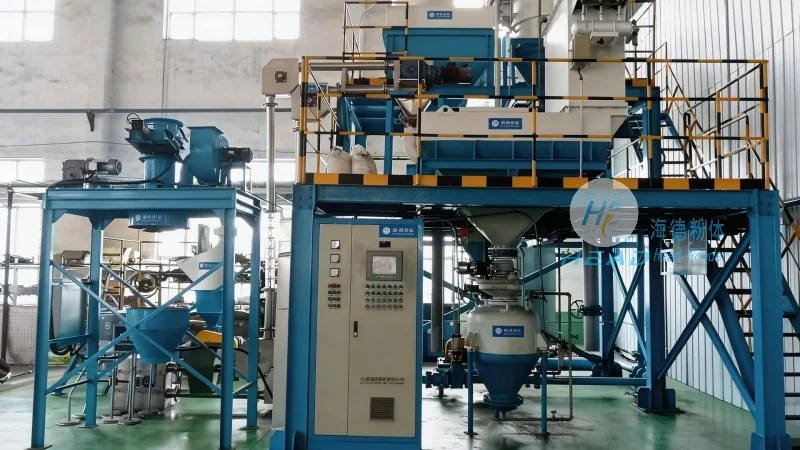
For instance, belt conveyors are commonly used for transporting larger refractory bricks or blocks, while screw conveyors are ideal for handling powders and granules. Pneumatic systems, on the other hand, utilize air pressure to move fine powders through pipelines, ensuring minimal dust generation and contamination. The control mechanisms, which may include variable speed drives and sensors, regulate the flow rate and direction of the material, ensuring precise and controlled transport. This integrated approach ensures that the material is moved efficiently and safely, minimizing the risk of damage or spillage.
Key Features of Refractory Material Handling Systems
Refractory material handling systems from Shandong HeadPowder Engineering Co., Ltd. are characterized by several key features that enhance their performance and reliability. One of the primary features is their durability and resistance to high temperatures, which is crucial for maintaining functionality in environments where temperatures can exceed 1000°C. The systems are constructed using high-quality materials, such as stainless steel and heat-resistant alloys, ensuring long service life and minimal maintenance requirements.
Another important feature is the system's adaptability to different material types and sizes. Whether handling large refractory bricks or fine powders, the equipment can be customized to meet specific requirements. This flexibility allows clients to optimize their material transport processes, reducing the need for multiple systems and streamlining operations. Additionally, the systems are equipped with advanced safety features, including overload protection and emergency stop mechanisms, to prevent accidents and ensure operator safety.
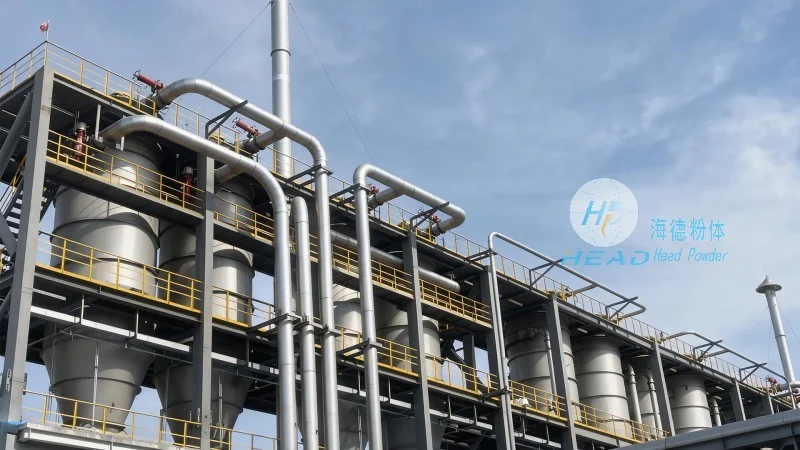
Efficiency is a critical feature of these systems, as they are designed to minimize energy consumption and maximize material throughput. The use of variable speed drives and optimized conveyor designs helps to reduce energy costs while maintaining high transport rates. Furthermore, the systems are equipped with monitoring and control systems that allow for real-time tracking of material flow, enabling operators to identify and address any issues promptly. This proactive approach to maintenance and operation ensures that the systems operate at peak performance, minimizing downtime and maximizing productivity.
Conclusion
In conclusion, refractory material handling systems are essential for efficient material transport in high-temperature industrial applications. The working principles of these systems, which involve integrated mechanical components and precise control mechanisms, ensure safe and reliable material movement. The key features, including durability, adaptability, and efficiency, make them ideal for various industrial applications. Shandong HeadPowder Engineering Co., Ltd. continues to lead in the development of advanced refractory material handling solutions, providing clients with customized systems that meet their specific needs and enhance operational performance.