

Working Principle and Features of Dry Yeast Powder Conveying System Equipment
Efficient and reliable dry yeast powder conveying systems are crucial in the production and distribution of yeast products. These systems ensure that dry yeast, a vital ingredient in various industries including baking, brewing, and biochemistry, is transported safely and effectively from production facilities to storage or processing units. Understanding the working principle and key features of such equipment is essential for optimizing operational efficiency and maintaining product quality.
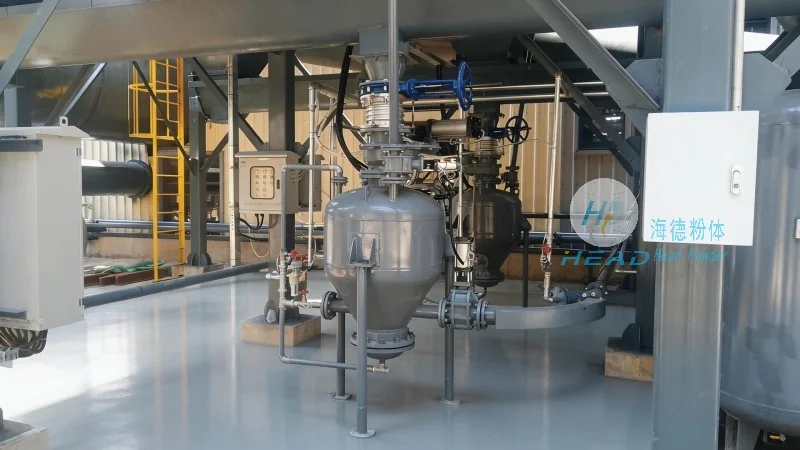
Working Principle of Dry Yeast Powder Conveying Systems
The core working principle of dry yeast powder conveying systems revolves around the movement of dry powder materials, specifically dry yeast, through a controlled environment. These systems typically employ either pneumatic or mechanical conveying methods, each tailored to the unique properties of dry yeast. Pneumatic conveying systems utilize air pressure to transport the powder, while mechanical systems rely on screw conveyors, belt conveyors, or other mechanical components to move the material. For dry yeast, which is often fine and can be prone to caking or dusting, the choice of conveying method is critical to prevent product degradation and ensure consistent flow.
In pneumatic conveying, the system operates by creating a pressure differential between the source and destination points. Compressed air is introduced into the conveying line, drawing the dry yeast powder into the pipeline. The air velocity is carefully controlled to maintain a stable flow, preventing the powder from settling or clogging the system. This method is particularly effective for long-distance or high-volume conveying of dry yeast, as it can handle large quantities with minimal maintenance. Mechanical conveying systems, on the other hand, use rotating screws or belts to push the powder forward. These systems are often preferred for shorter distances or when the powder has higher moisture content, as they provide more direct control over the material's movement.
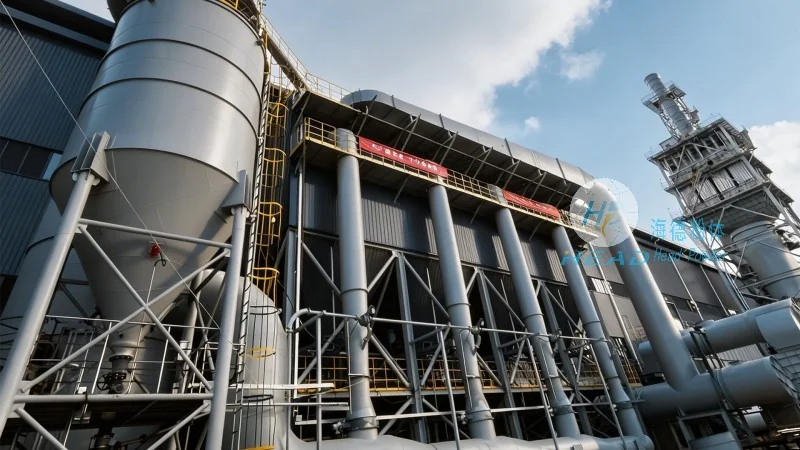
Key Features of Dry Yeast Powder Conveying Equipment
Dry yeast powder conveying systems from Shandong HeadPowder Engineering Co., Ltd. are designed with several key features that enhance performance and reliability. One of the primary features is the ability to handle fine, cohesive powders like dry yeast without causing agglomeration or loss of product quality. The equipment incorporates advanced materials and construction techniques to minimize friction and prevent the buildup of yeast particles on surfaces, which can lead to contamination or reduced efficiency.
Another critical feature is the system's adaptability to varying production volumes. The conveying equipment can be scaled to accommodate fluctuations in yeast production, ensuring that the system operates efficiently during both peak and low-demand periods. This flexibility is achieved through adjustable speed controls and modular components that allow for easy expansion or reconfiguration as production needs change.
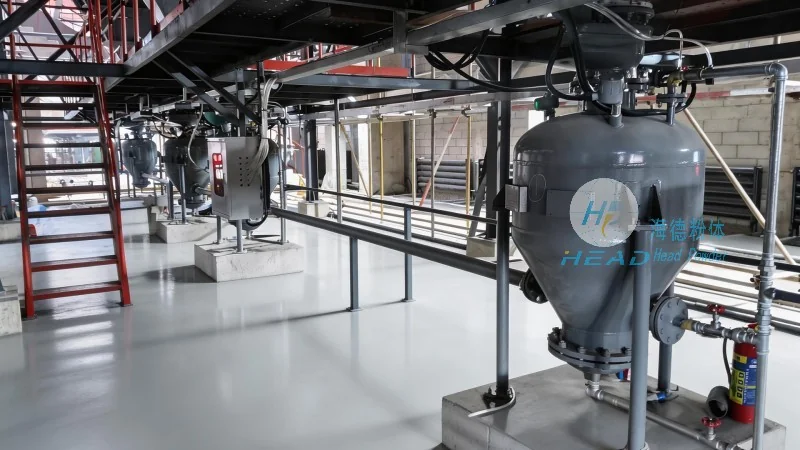
Environmental considerations are also a key feature of modern dry yeast powder conveying systems. The equipment is designed to minimize dust emissions and ensure compliance with environmental regulations. Advanced filtration systems and sealed conveying lines help contain dust, protecting both the product and the surrounding environment. Additionally, the systems are equipped with safety features such as pressure relief valves and emergency stop mechanisms to prevent accidents and ensure operator safety.
Efficiency and Reliability in Dry Yeast Handling
The effectiveness of a dry yeast powder conveying system is measured by its ability to maintain product integrity and operational efficiency. The systems from HeadPowder Engineering are engineered to minimize downtime and maximize throughput. By using high-quality materials and precision manufacturing, the equipment ensures consistent performance over extended periods, reducing the need for frequent maintenance or repairs.
One of the standout features is the integration of monitoring and control systems. These systems allow operators to track the flow rate, pressure, and temperature of the conveying process in real-time. This data-driven approach enables proactive maintenance and quick troubleshooting, further enhancing the system's reliability. The control panels are user-friendly, with intuitive interfaces that make it easy for operators to adjust settings and monitor the system's status without extensive training.
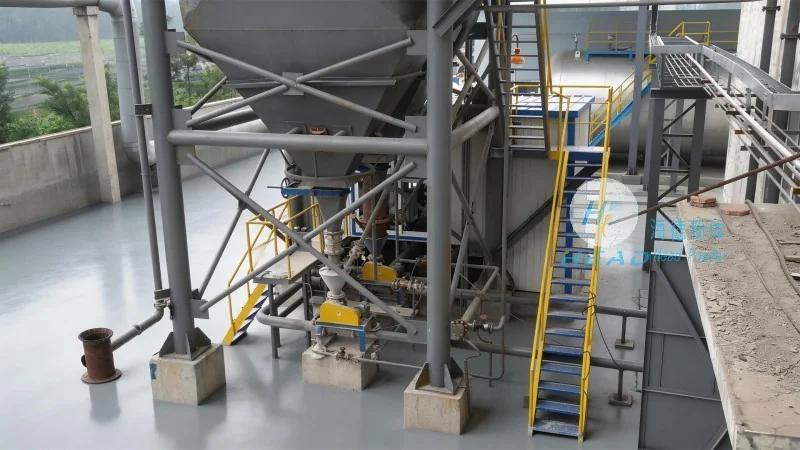
Furthermore, the systems are designed for easy cleaning and maintenance. The components are constructed with smooth surfaces and minimal dead zones, which are critical for preventing yeast buildup and contamination. This design simplifies the cleaning process, reducing downtime and ensuring that the system remains hygienic and compliant with food safety standards. The modular design of the equipment also allows for quick replacement of worn parts, minimizing the impact on production schedules.
Conclusion: Choosing the Right Dry Yeast Powder Conveying System
For businesses involved in the production and handling of dry yeast, selecting the right conveying system is a critical decision that impacts operational efficiency, product quality, and overall profitability. The working principle and features of dry yeast powder conveying equipment, as exemplified by the solutions from Shandong HeadPowder Engineering Co., Ltd., provide a comprehensive approach to addressing the unique challenges of handling fine, sensitive powders. By understanding the importance of proper air flow control, material handling adaptability, and environmental compliance, companies can invest in systems that not only meet current needs but also support future growth and sustainability goals.